
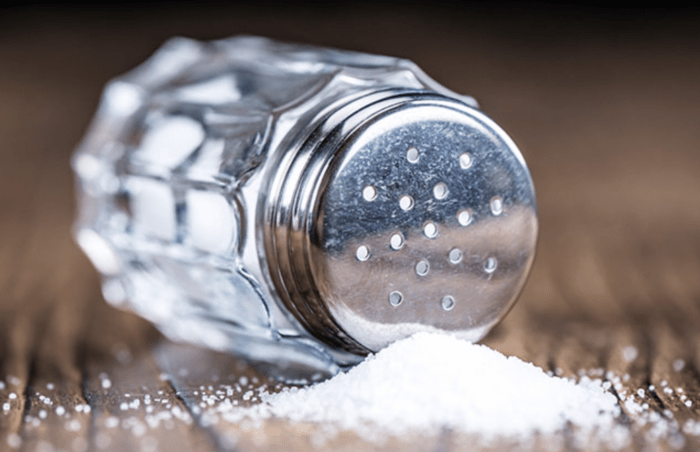
Salt and health: how much is the right amount?
Salt isn’t just the white powder in the salt shaker. Most of it comes from sausage, cheese, bread, sauces and ready meals. Here’s a simple picture of how much salt it makes sense to eat, where the excess usually comes from and what anyone who trains should keep in mind when sweating.
Why does salt matter for health?
Sodium is a mineral the body needs. It helps maintain fluid balance and supports nerve function and muscle contractions. Without sodium, the body can’t work normally.
The problem starts when you take in too much salt every day. Excess sodium can raise blood pressure and put strain on the heart and kidneys. Over a longer period it may also increase the risk of bone thinning and kidney stones. That doesn’t mean salt is the enemy. It’s a question of amount.
The European Food Safety Authority recommends that adults have up to 2 grams of sodium a day. That is about 5 grams of salt, or roughly one teaspoon. Many people get more than that before they add any salt to their food themselves.
Honestly, this is an easy place to get caught out. Home-cooked potatoes and eggs may not seem salty, but add ham, bread, a sauce and a pickled cucumber on the side, and the daily amount adds up quickly.
How does salt pile up on your plate?
The biggest source usually isn’t the salt shaker. A lot of sodium comes from processed food. For example, smoked meat, sausages, hams, bouillon cubes, canned foods, ready-made sauces, soy sauce, barbecue sauces, pizzas and fast food can deliver an unnoticed but substantial amount of salt.
Even a seemingly decent lunch can be surprisingly salty. Chicken salad or tuna salad sounds healthy, but ready-made it can contain salt in the mayonnaise, the fish, the dressing and the extras. The same goes for store-bought soups and dishes from the deli counter.
So what actually happens? Your sense of taste gets used to strong salt. If you often eat ready meals, home-cooked food with less salt seems bland at first. Luckily, your tongue adjusts back too. A couple of weeks of more conscious choices is usually enough, and herbs, garlic, lemon, pepper or chili start to come through again.
Potassium helps balance the effect of sodium and supports normal blood pressure. Good sources of potassium are potatoes, bananas, spinach, avocado, oranges, melon, grapes and almonds. A simple truth: when there is more real food on your plate and less packaged ready-made stuff, your salt intake often improves on its own.
Salt and training: when do you need more of it?
If you train, you don’t need to fear salt, but you do need to understand the situation. If you eat normally through the day, you usually get enough sodium.
A long, sweaty effort is a different story. A summer run, a long bike ride, a hike or training sessions lasting several hours can lead to greater salt loss. In that case a drink with electrolytes can make sense, especially when the weather is hot and you’re pouring sweat. In winter the risk is smaller, but a long effort in heavy clothing can also make you sweat a lot.
The danger isn’t only too little salt. If someone drinks a great deal of water without getting minerals at the same time, their sodium level can drop too low. This is called hyponatremia. It is a rare but serious condition. So the answer isn’t simply more water. The answer is balance.
Practical choices: less salt, better flavor
Start with the label. The package may list sodium or salt. When choosing between two similar products, pick the one with less salt. It’s especially worth comparing bread, cheese, ham, sauces, bouillons and ready meals.
- Add salt at the end of cooking, not at the start. That way you taste the flavor better and use less.
- Use lemon or lime juice, fresh herbs, garlic, onion, bell pepper and black pepper.
- Rinse canned beans, lentils or tuna if it suits the recipe.
- Cut back on salty sauces. Soy sauce, ketchup and ready-made barbecue sauces quickly add up to your full daily amount.
- Keep the salt shaker off the table. That small move reduces automatic adding.
Rock salt, sea salt and ordinary table salt may differ in taste and minerals, but the main effect still comes from sodium. That’s why pink or coarser salt doesn’t make a large amount healthy. If you use rock salt, use it for the flavor, not as an excuse to add more.
A good check question is simple: does the food really need more salt, or am I just looking for a habitual taste? If the answer is the latter, try acidity, herbs or spices first. Often that’s enough.
FAQ: salt and everyday questions
Should you cut salt out of your diet completely?
No. The body needs sodium. The goal is to avoid too much, not to live completely salt-free.
Is rock salt healthier than regular salt?
Rock salt may contain small amounts of other minerals, but it still has plenty of sodium. When it comes to health, the amount matters most.
When should someone who trains use electrolytes?
Mostly during a long, hot or very sweaty effort. After an ordinary short gym workout, water and a normal meal are usually enough.
Further reading: Toitumine.ee’s overview of salt.
Come and train! ArtGym




