
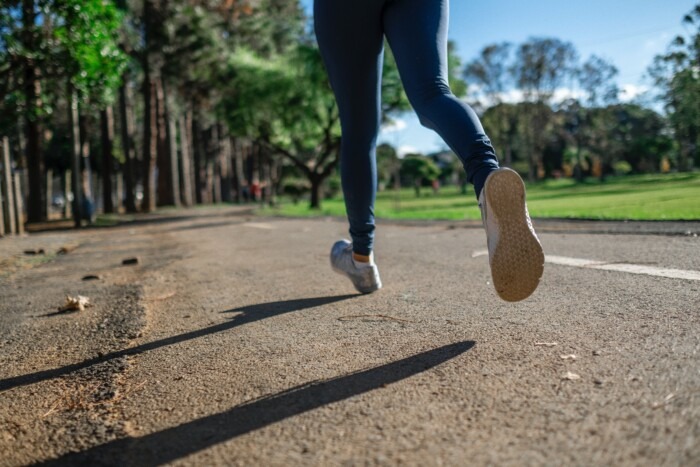
Running shoes: how to choose the right pair
Running shoes can all look fairly similar the first time you try them on, but after five kilometers the difference quickly becomes clear. A good pair won’t turn you into a faster runner overnight, but it lets your foot work calmly and makes running far more enjoyable. Here is a practical guide to choosing shoes that suit your foot, your pace and your route.
Why do running shoes really matter?
In Estonia, people run in every season. In spring the sidewalks are wet and gravel roads are soft. In summer the asphalt gets hot. Autumn brings leaves and mud, winter brings slippery ground. The same shoe won’t feel equally good on every surface.
The wrong shoe may not hurt right away. At first it’s just a bit of rubbing, odd pressure under the ball of the foot, or a feeling that your heel is slipping. Then tension in the lower leg joins in, your knee starts to complain or a toenail suffers. A simple truth: if a running shoe doesn’t fit your foot, your body starts compensating for it somehow.
That doesn’t mean the most expensive model is automatically the best. Some people do better in a softer shoe with a thicker sole. Others want a lower shoe with a more direct feel. What matters is that your running shoes support your movement rather than forcing your foot into an unfamiliar position.
Running shoes and running surface
The first question is simple: where do you run most?
If you mostly run on asphalt, sidewalks or paved paths, choose road running shoes. Their outsole is usually smoother and softer, and designed to absorb repeated impact.
If you run in forests, on gravel, bog trails or fitness trails, look at trail running shoes. They have a sturdier upper and a deeper tread pattern. This gives better grip, especially when the trail is wet or full of roots. You can get by in the forest with city sneakers, but on a slippery descent the difference can be very noticeable.
On a treadmill you don’t need an aggressive tread. What counts there is comfort, breathability and a shoe that doesn’t feel too clunky. If you run only on a treadmill, a lighter training shoe may be perfectly sufficient.
How should running shoes fit?
When trying shoes on, don’t look only at the number. Lasts differ between manufacturers, and the same size can fit completely differently. There should be a little room in front of your toes, because with every stride your foot slides forward when you run. If your toe already touches the front in the store, it will start to bother you over longer distances.
Your heel should stay in place. Not locked down rock-hard, but so that it doesn’t lift with every step. The midfoot should hold your foot securely without the upper pinching. If you feel pressure on the ankle bone, the ball of the foot or the little toe right away, don’t hope it will disappear by magic later.
Honestly, it’s worth trying running shoes on in the second half of the day. Your feet have by then taken a bit more load, and their size is closer to what happens during a run. Bring the socks you normally run in. A thin everyday sock and a thicker running sock change the feel more than you think.
If the store lets you do a short test run, use it. A few steps down the aisle won’t show everything, but they give you an idea of whether your heel slips, the sole feels too high or the shoe collapses to the side.
Running shoes: what to look for in the store
Start from your running habits. Do you run calmly twice a week, or are you preparing for a half marathon? Is your pace slow and steady, or do you do faster intervals? The more kilometers add up, the more important comfort and durability become.
Look at how soft the sole is, but don’t decide just by pressing it with your finger. Some soft shoes feel great when walking but too bouncy when running. A firmer model may feel unfamiliar at first but suits faster running well. Feel free to ask for advice, but tell the sales assistant specifically where and how much you run.
Price is also a practical matter. Proper running shoes often cost noticeably more than ordinary casual shoes, but a cheap pair that causes pain isn’t cheap in the end. At the same time, a beginner doesn’t need to buy the most technical model. For a first pair, a neutral fit and a comfortable stride matter more.
Don’t choose running shoes by looks alone. Yes, you may like the color. But if a pretty shoe rubs your heel raw or squeezes your toes together, it ends up sitting in the hallway.
Running shoes and care
After a wet or muddy run, let your shoes dry slowly. Don’t put them on a hot radiator, as the glue and materials can suffer. Take out the insoles, wipe off the mud with a soft brush or a damp cloth and let the air do the work.
The washing machine seems like a convenient solution, but for many running shoes it isn’t the best idea. Read the care instructions and use gentle cleaning if needed. If you run a lot, also keep an eye on sole wear. If the tread is clearly worn down on one side or the cushioning feels tired, it’s time to start looking for a new pair.
A good trick is to own two pairs if you run several times a week. That way the shoes can dry in between and recover their shape. It isn’t vanity, just a simple way to keep your gear in working order for longer.
FAQ
Does a beginner need expensive running shoes right away?
You don’t have to buy the most expensive model. For a beginner it’s more important that the shoe fits in size, doesn’t rub and is designed specifically for running, not just for wearing on the street.
Are trail running shoes suitable for asphalt?
For a short stretch, yes, but they aren’t ideal for everyday asphalt running. A deep tread wears faster on a hard surface, and the shoe can feel stiff.
When should you replace running shoes?
Replace them when the sole is clearly worn, the cushioning no longer feels the same or new discomfort appears after a run. Don’t wait until the shoe falls apart completely.
Come and train! ArtGym




