
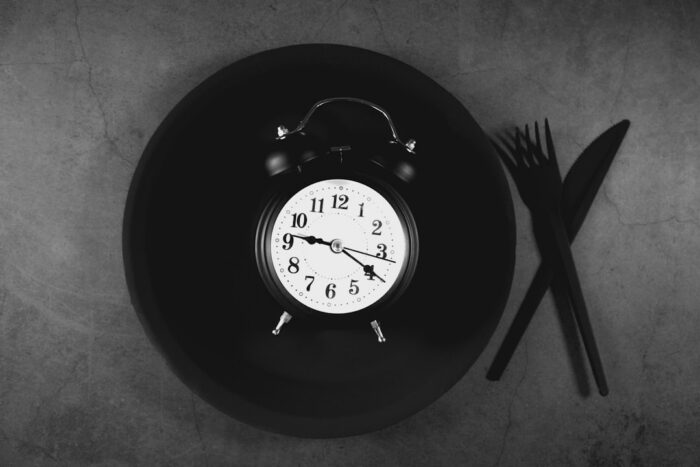
Intermittent fasting has been a hot topic over the past 2 years, but most guides throw beginners straight into the deep end with 16/8. The simple truth is that you can ease into it much more gently, without feeling hungry or turning your meal schedule upside down.
Why does intermittent fasting work?
The idea is nothing new — humans have practiced fasting for thousands of years. Alternating between eating and fasting gives your digestive organs a rest, stabilizes blood sugar and helps many people keep their body weight under control. It is no miracle cure. It is simply a structured eating pattern that suits many people better than constant snacking from morning to night.
So what actually happens? When your body is not constantly receiving more food, digestion finishes and insulin levels fall. Your body can focus on other processes, including cellular cleanup and using fat for energy.
Intermittent fasting: the most common approaches
There are several approaches, and everyone can find a rhythm that suits them. These 4 are the best known in Estonia:
- The 16/8 method – 16 hours of fasting and an 8-hour eating window, for example from 12–20. Popular, but often too restrictive for beginners.
- The 5:2 diet – eat normally for 5 days and limit your intake to 500–600 kcal on 2 days.
- Eat-stop-eat – 1 or 2 24-hour fasts a week. Requires careful preparation and is not suitable for everyone.
- The 12/12 approach – a 12-hour eating window and 12 hours of fasting. Natural and suitable for beginners.
The 12/12 approach — intermittent fasting for beginners
The easiest way to start is with the 12/12 approach. You eat 3 main meals during the day, then give your digestive system a rest for the remaining 12 hours. You spend much of the fasting period asleep, so you barely feel hungry at all.
This pattern suits most healthy adults because it is a fairly natural way to eat: you eat during the day and rest at night. As a bonus, it reduces late-night snacking, improves sleep quality and keeps blood sugar more stable.
How should you plan your meals?
Each meal should be balanced and provide enough energy. A useful guideline is around 30 g of protein and 30 g of healthy fats, plus carbohydrates and plenty of vegetables. This keeps you full and gives your body all the nutrients it needs.
A sample day following the 12/12 approach:
- Breakfast at 7 – porridge made with oat flakes and milk, topped with berries and nuts, with an egg on the side.
- Lunch at 13 – grilled salmon or chicken breast, rice or potatoes, and a fresh salad with olive oil.
- Dinner at 19 – buckwheat porridge with vegetables, served with tofu or turkey and slices of avocado.
After 19 until 7 the next morning, you can drink water, herbal tea or black coffee — but no drinks containing calories.
Practical tips
Listen to your body during the first 2 weeks. If you wake up and are not hungry at 7, move breakfast to 8 — the schedule is not set in stone. If you train early in the morning, you may need to bring lunch forward.
Coffee and herbal tea are allowed during the fasting window, but without milk or sugar. Adding 1 tablespoon of oat milk to your coffee technically breaks the fast, but in practice many people allow for this, and it does not compromise their results.
Frankly, do not start intermittent fasting if you are pregnant, breastfeeding, underage or have a history of eating disorders. If in doubt, ask a doctor or nutrition adviser for advice.
FAQ
Can I exercise while fasting?
Yes. Fasted light cardio and strength training work well for many people. If you feel weak, move your workout into your eating window — your body will tell you what works.
Does it help with weight loss?
Yes, if your total calorie intake falls. There is no magic involved — fasting simply limits your eating window, which automatically reduces calorie intake for many people. But if you manage to eat 2 days’ worth of food within 8 hours, even 16/8 will not work.
How soon will I see results?
Week 1 is an adjustment period. You will see the real effects on your body weight and how you feel within 4–8 weeks if you follow the pattern consistently.
Come and train! ArtGym




