
Milk and dairy products: a complete overview
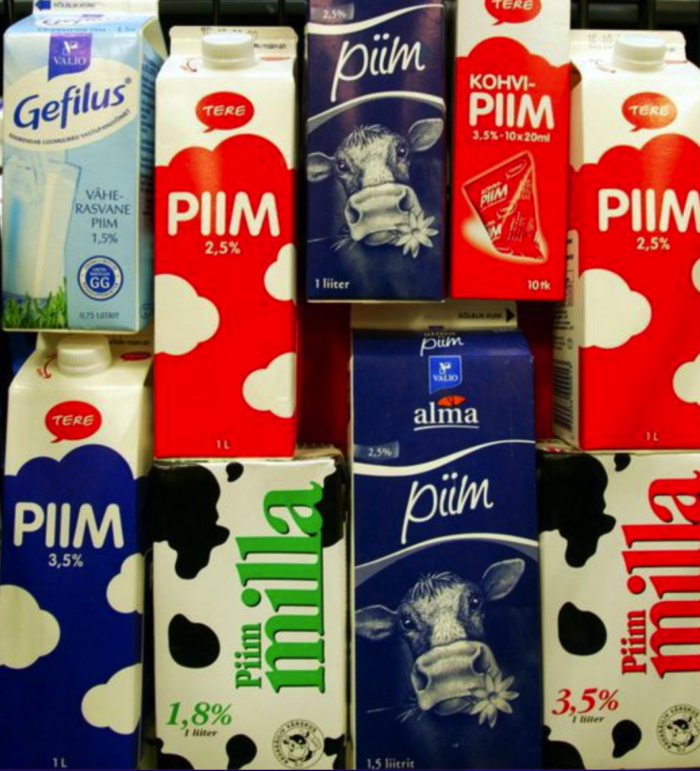
Even a small child knows that milk makes you healthy and strong. Yet few people really know what the miraculous power of milk actually lies in. And every now and then we end up standing helplessly in front of the dairy shelf, searching among a sea of colorful packages for the one that is just right. What is worth knowing about milk and dairy products?
Of course, taste matters when it comes to food, and tastes differ, just as people do. Still, it is good to know that, for getting calcium, for example, it makes no difference whether you drink milk, kefir, buttermilk or yogurt. And the fact that doctors recommend drinking at least two or three glasses of milk a day to guard against osteoporosis and for beautiful hair and healthy teeth does not mean you have to force down fresh milk specifically, even against your will. Not even if you don’t like the taste and your favorite drink is yogurt. And stirring jam into kefir does not make homemade yogurt, only a kefir-and-jam drink.
Besides their shared benefits, every dairy product still differs somewhat from the others, because each has its own origin story, method of production and unique composition.
Fresh dairy products
Raw milk
Unprocessed milk is a valuable food, because its biochemical composition (vitamins, enzymes, fat globules) has been preserved unchanged. But alongside the good, beneficial bacteria, harmful bacteria also feel quite at home in raw milk, so it is wise to know where and from whom you buy your milk. If the cow is healthy and the milker careful, there is no danger.
Pasteurized milk
In pasteurization, milk is heated at 72 degrees for 15 seconds to extend its shelf life and destroy microbes that are dangerous to health. Heating also deactivates the enzymes in the milk and removes its natural antibacterial action, which makes the milk a better growth and breeding environment for bacteria. That is why carton milk doesn’t go sour but spoils instead. Heating also destroys some of the milk’s vitamins.
Ultra-pasteurized milk
Milk with a four-month shelf life is not artificial milk or a product spoiled with preservatives, as is sometimes believed, but just as good cow’s milk as any other, only heated for a few seconds under elevated pressure to 135-150 degrees. Ultra-pasteurization gives milk a specific taste that not everyone may like. The high heat inevitably destroys all the microbes in the milk and lowers its vitamin content, and the proteins, fats and sugars in it also change, which impairs their digestion and absorption. On the other hand, thanks to long-life milk, fresh milk for morning coffee is within reach even in homes without a refrigerator, or where there is time to go shopping only once every ten days.
Fermented dairy products
Yogurt
Yogurt’s country of origin is Turkey. Over the ages, yogurt has been used to treat stomach complaints and insomnia, and drinking yogurt has even been considered the secret to eternal youth.
To make yogurt, a bacterial starter culture is added to milk, a mix of two lactic acid bacteria – Streptococcus thermophilus and Lactobacillus bulgaricus. The streptococci mainly produce various acids, while the lactobacilli produce flavor and aroma compounds.
The human body absorbs the beneficial substances in yogurt easily, because the lactic acid bacteria have already done a great deal of the groundwork. Yogurt microbes enrich the microbial community of the digestive tract, which is especially important with digestive disorders and during antibiotic treatment (antibiotics destroy the necessary bacteria along with the pathogens). Drinking yogurt slows the growth and development of harmful bacteria in both the mouth and the intestines.
Kefir
Kefir comes from the Caucasus, where in ancient times it was made in a bag fashioned from a goat’s stomach. Kefir is made using a starter that contains, besides lactic acid bacteria, yeasts and acetic acid bacteria, so in addition to lactic acid, kefir also contains alcohol (up to 0.6%), carbon dioxide and volatile acids. The bacteria in kefir’s starter produce B vitamins. Kefir is refreshing and stimulating, promotes the function of the digestive organs, keeps the intestinal microflora in order and is therefore well suited as a diet food.
Buttermilk
Buttermilk is a by-product of butter making. What sets buttermilk apart from other dairy products is its low fat content: a glass of buttermilk provides only 60-70 kcal, while its calcium content is only slightly lower than in regular milk (220 mg per glass versus 240 mg in milk). Buttermilk’s second valuable property is its high lecithin content. The human body needs lecithin for several purposes: as a component of cell membranes, for normal brain function and for replenishing stores of vitamin B4. A few years ago lecithin was one of the buzz topics in healthy eating, and as a supplement it is very popular. Instead of swallowing capsules or tablets, you could easily drink buttermilk: it is more pleasant, cheaper and contains other useful things in addition to lecithin.
Soured milk
Several types of soured milk are on sale, and most are made using the same basic process. Slightly different starter cultures are used, which is why fermentation also takes place at different temperatures.
Viili
A soured milk that originates from Finland, where it has been made since the century before last. To make viili, the milk is pasteurized but not homogenized, i.e. the fat globules in it are not broken down. This lets a tempting layer of cream rise to the surface. The viili starter contains special lactic acid bacteria and viili mold. Viili is fermented in cups at 18-20 degrees for 18 hours. The viili mold gives the cream that has risen to the surface its velvety look.
Acidophilus soured milk
Acidophilus soured milk, also known as A-milk, is made by mixing the heat-loving lactic acid bacterium Lactobacillus acidophilus into the milk. Acidophilus milk stimulates the secretion of gastric juice and other digestive juices, thereby aiding digestion. A-milk is easily absorbed, contains plenty of B vitamins and also some compounds with an antibiotic effect. The drink stimulates the activity of phagocytes, which are part of the body’s defense system, and this is why acidophilus milk is also used for therapeutic purposes.
Gefilus kefir
Gefilus kefir and gefilus soured milk are enriched with the bacterium of the same name. Together with acidophilus soured milk, they belong to the probiotic products, which are a future trend in the production of healthy foods.
A probiotic is a collection of live microorganisms that has a beneficial effect on the human body’s microflora and improves health. Such bacteria bring order to the microbial community of the digestive tract and thereby prevent and relieve stomach problems, improve lactose absorption, increase the absorption of B vitamins, calcium, iron and phosphorus, and strengthen the immune system overall.
Dairy products containing health-promoting probiotic bacteria hinder the growth of pathogenic bacteria indirectly, because the habitats are occupied by beneficial bacteria, and directly, because they secrete substances that destroy harmful bacteria. As a result, intestinal infections clear up faster, the lifespan of harmful compounds in the digestive tract is shortened, and the conditions that favor the development of intestinal tumors are slowed down.
Compiled by Marek Morozov
Read also: kcal.
Source:Turg.Fitness.ee
Come and train! ArtGym




