Muscle cramps: causes, prevention and relief
Muscle cramps and what causes them
A muscle cramp is an involuntary, sudden and often painful muscle contraction that can last from a few seconds to several minutes. Cramps can affect any muscle, but they are more common in the legs, arms or back and are a common problem for athletes and non-athletes alike.
Causes of muscle cramps
Muscle cramps can result from a combination of factors. The main scientifically established causes are:
Muscle overuse or fatigue. Intense or prolonged muscular effort without adequate rest can increase electrical activity in the muscles and trigger a cramp. Large muscle groups, such as the thigh and calf muscles, are particularly susceptible after a strenuous workout or working day.
Dehydration and electrolyte imbalances. The loss of water and minerals through sweat – particularly sodium, potassium, magnesium and calcium – can increase muscle cell excitability and contribute to cramps. Dehydration is a common cause, particularly in hot weather and during physical exertion.
Nerve irritation or compression. Pressure on nerves, for example due to spinal problems or postural issues, can trigger cramp-like muscle spasms, particularly at night.
Medications and medical conditions. Diuretics (medications that increase urine output), statins and some medications that affect the nervous system can increase the risk of cramps. Certain conditions, such as diabetes, kidney failure or peripheral neuropathy, can also cause more frequent cramps.
Pregnancy. Cramps are fairly common during pregnancy, particularly in the third trimester. Increased blood volume, hormonal changes and higher mineral requirements are thought to be possible causes.
Prevention: how to avoid cramps
Stay hydrated. Drink water regularly throughout the day, not just before or after a workout. Water helps your body regulate its temperature and maintain muscle function. A general recommendation is to monitor the color of your urine – pale yellow indicates good hydration, while a darker shade may indicate dehydration.
Eat a varied, mineral-rich diet. Eat foods that contain plenty of potassium, magnesium and calcium. Bananas, potatoes, avocados and spinach are good sources of potassium. Whole grains, nuts and legumes are rich in magnesium. Dairy products and green leafy vegetables provide plenty of calcium. If necessary, your doctor may recommend supplements.
Warm up before your workout and stretch afterward. Warming up improves blood flow and oxygen delivery to your muscles, helping to prevent them from suddenly tightening. Stretching keeps your muscles flexible and helps reduce the risk of injury. Aim to hold each stretch for at least 20–30 seconds. Before exercises with heavy weights, warm up with light-weight sets.
Avoid excessive muscle fatigue. Pay attention to your rest periods between sets during training. For lighter training, 1–1.5 minutes is often enough, but for heavy exercises involving large muscle groups, a rest of 2–3 minutes is recommended. Your muscles need time to recover, especially when you train at high intensity.
Take your training environment into account. In hot and humid conditions, you lose more fluid and your body temperature rises faster. In these conditions, ease your pace and make sure you drink enough water to avoid overheating and cramps.
Relieving a muscle cramp at home
If you develop a cramp, stop the activity immediately. Gently and slowly massage or stretch the affected muscle. Applying an ice pack or heat can also help, depending on which provides relief. Drink water if needed, particularly if you have been sweating or feel thirsty. Avoid sudden, forceful movements while the muscle is cramping.
When should you see a doctor?
If your cramps are frequent, severe or occur at night for no apparent reason, you should see a doctor. You should also seek medical advice if cramps disrupt your sleep or daily life, or occur alongside other symptoms such as numbness, muscle weakness or swelling. Recurring cramps may indicate an underlying health problem that needs medical assessment.
Summary
To prevent muscle cramps, it is important to:
· maintain your fluid balance,
· get enough essential minerals from your diet,
· warm up before training and do stretching exercises afterward,
· avoid excessive muscle fatigue and pay attention to rest periods,
· adjust your training load to suit the environmental conditions.
Your muscles need care and attention just like any other part of your body. With the right habits, you can prevent most muscle cramps or significantly reduce their impact.
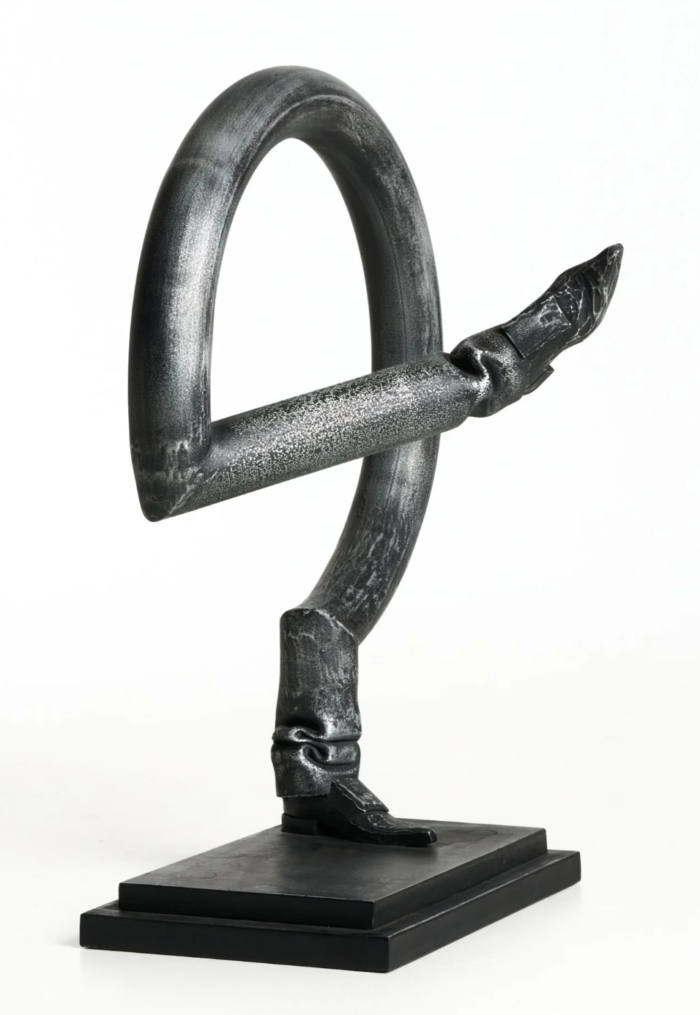
Illustrative image:Heigo Jelle “Dancing Lion” Tokko & Arrak Gallery
Come and work out! ArtGym