Muscle mass and overeating: a plan that works
Muscle mass doesn’t grow just because the bar is heavier in training. Your body also needs enough energy, and sometimes one deliberately bigger eating day can help more than constant snacking. Here is a practical way to do it so that the goal is muscle, not just body weight.
Why does muscle mass need more calories?
Many lifters think they eat plenty, but their daily intake is actually on the low side. Porridge in the morning, chicken with rice at lunch, curd cheese in the evening and a post-workout shake can look like a solid menu. But if the scale isn’t moving and your strength numbers are stuck, the answer is often simple: you’re not getting enough energy.
The original idea comes from the Muscle&Fitness approach, where once a week you eat noticeably more than usual. The point isn’t to have a random junk-food day. It’s a planned overeating day that gives your body extra fuel for recovery, for refilling glycogen stores and for harder training sessions.
Honestly, it sounds odd at first. How can eating more help you get in better shape? The difference is whether the extra calories arrive randomly every day, or deliberately on one day while the rest of the week stays under control.
How does muscle mass grow with a big eating day?
The goal of an overeating day is to temporarily push calories high. The original article recommended doing it once a week during the first weeks and later, once your body has adapted, about every five days. This rhythm suits people who train regularly and whose body weight doesn’t go up despite solid strength training.
Start with your normal day. Write down what you eat for 4-5 days and see how many calories you actually get in total. If you maintain your weight on, say, 3000 calories a day, the target for the big eating day can be considerably higher. The original text gave the example of a 90-kilo athlete whose normal day was about 4000 calories and whose overeating day was 8000 calories.
That doesn’t mean everyone should immediately do the same. A smaller person, a beginner or a recreational lifter with a desk job doesn’t need such a large amount. It makes more sense to raise the amount gradually and watch what happens to your body weight, waist circumference, how you feel and your training results.
Pick the right day
The best time for a bigger eating day is a hard training day. For example, a leg day or back day, when training volume is high and your body makes good use of carbohydrates. If you train in the evening, start with the larger amounts of food in the morning rather than trying to squeeze the whole day’s intake in after your workout.
Keep the rest of the week calm
One bigger day won’t save the week if the other days are chaotic. On regular days, eat close to your usual needs. Don’t punish yourself by starving the next day, because then recovery suffers and the whole plan loses its point.
What should you eat so the muscle mass doesn’t come at the expense of fat?
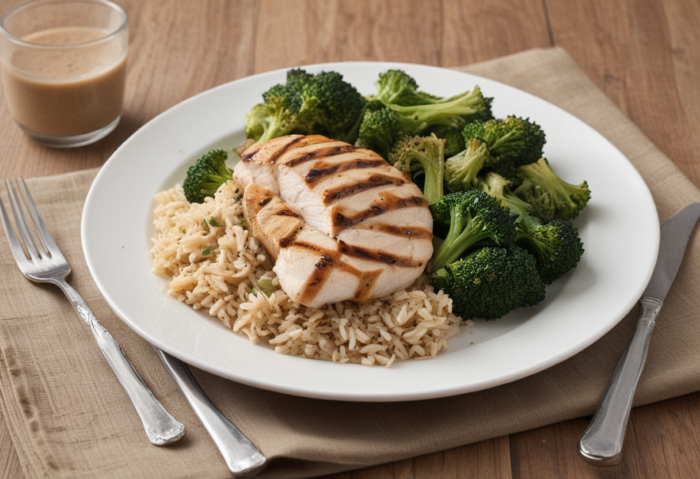
A simple truth: the quality of the big eating day matters. If the calories come only from pastries and pizza, you’ll feel poor and your training may not get any better. The base should come from normal athletic food: rice, pasta, potatoes, oat flakes, eggs, fish, chicken, beef, curd cheese, yogurt, fruit, nuts and olive oil.
With protein, focus on spreading it evenly. The original text recommended about 1.8-2 grams of protein per kilogram of body weight. That’s a familiar range for anyone who lifts. The extra calories on the big eating day mostly come from carbohydrates and fats, not from piling on endless amounts of protein.
- Drink part of your calories. Milk, a yogurt smoothie or a protein shake helps when you can’t fit in any more solid food.
- Split the day into smaller parts. Six meals are easier than three giant portions.
- Put carbohydrates around your workout. Before and after training, rice, pasta, a banana or juice is a practical choice.
- Don’t forget fats. Salmon, avocado, egg yolks, nuts and seeds make it easier to raise calories.
So what actually happens? If your training is strong, your sleep is in order and your regular days are under control, a bigger eating day can eventually help get the scale moving. But if your waistline grows faster than your strength, the amount is too large or the frequency too high.
A practical check before you start
Before you start doubling your calories, spend a couple of weeks tracking honestly. Weigh yourself in the morning 3-4 times a week and look at the average, not one random number. Also write down your training weights. If your squat, press and row are going up, that’s a better sign than the number on the scale alone.
If you have digestive problems, significant overweight, a history of eating disorders or restrictions set by a doctor, this kind of plan isn’t the first choice. In that case it’s wiser to start with a gentler calorie surplus and, if needed, talk to a real nutrition counselor. PS: it’s useful to consult a nutrition counselor.
The same logic applies on the training side. PS: if you want to be sure your muscles actually develop, train under the guidance of a personal trainer. A big eating day is no substitute for a good training plan.
FAQ: muscle mass and a bigger eating day
Is a big eating day suitable for a beginner?
Only if the beginner is already training consistently and their weight isn’t going up. For most beginners, a regular small daily calorie surplus is enough to start with.
Does this mean a cheat day?
Not quite. A cheat day is often spontaneous. This is a planned day where the food is still more or less good quality and the goal is better recovery.
When should you cut back the amount?
If your body weight is rising quickly but your strength numbers aren’t improving and your waist measurement is growing, reduce the calories on your big eating day or do it less often.
Source: Armudu
Come and train! ArtGym