Onion after a workout: a simple supplement
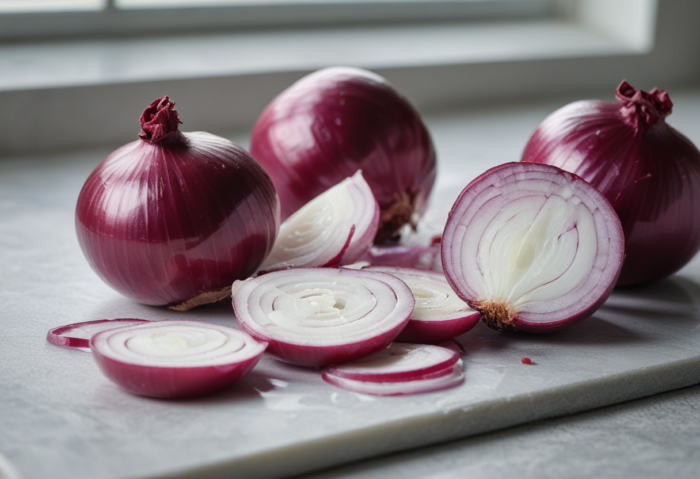
Onions are one of those vegetables you often have sitting on the kitchen counter, yet rarely think of including in a post-workout meal. Here, we look at why onion can be a practical addition after training, especially if you’re having protein, carbohydrates and creatine at the same time.
Why consider onion after a workout?
Old-school nutrition tips of the kind found in Flex were fairly direct about onions: this food works a little like a supplement. The idea wasn’t to replace a proper meal or protein shake with an onion. Rather, alliums are a small, inexpensive and readily available food that may help improve your post-workout meal.
Like garlic, onions belong to the allium family. Both have a strong smell and flavor, largely due to sulfur compounds. These compounds are why onions make some people’s eyes water, but they also account for much of their healthy reputation.
The original text highlighted a compound called allyl propyl disulfide. It stated that this compound may affect insulin secretion or help reduce insulin inactivation by the liver. In plain English, this is about how your body moves nutrients from your blood into your cells after a meal.
Does that mean onions work miracles? No. Frankly, you shouldn’t expect that from a single vegetable. But if you have protein and carbohydrates on your plate after a workout, alliums can be a smart addition. They add flavor and a little bite, and go well with foods athletes already eat.
How does onion fit into your post-workout meal?
After strength training, your body is receptive to nutrients. Your muscles need building blocks and energy. That’s why whey protein, carbohydrates and creatine come up so often. They don’t all have to come as powders in a shaker, but the principle is the same: give your body something to help it recover.
The original message was simple: if you’ve also consumed whey protein, carbohydrates and creatine, onion helps load your muscles with these important nutrients. Treat that statement as a practical tip, rather than a medical promise. Onion won’t do the work for you. It plays a supporting role, not the lead.
An egg white omelet with onion and tomato could make a good post-workout meal. It’s simple, inexpensive and manageable even when you have little time to cook. If you want more energy, add a side of rice, potatoes or bread. If your daily protein intake is otherwise low, add whole eggs, quark or another protein source that suits you.
So what actually happens? You don’t need to eat onion because it sounds like a secret bodybuilding trick. Eat it because it makes a simple meal better. Its sharp flavor can also help when your appetite is poor after a workout and plain, dry food is hard to get down.
What should you consider when choosing and eating onions?
If you want to eat onion straight after a workout, choose a milder variety. The original text mentioned Vidalia onions, which are sweet enough to eat like apples. You may not find them in every shop in Estonia, but the point is clear: a very pungent onion isn’t the best choice on an empty stomach when you’ve just been exercising hard.
Start with a smaller amount of raw onion. Some people tolerate it well, while others may experience gas or heartburn. If raw alliums upset your stomach, cook them in a pan or add them to an omelet. Cooked onion is softer, sweeter and often easier to digest.
Throwing an onion into your gym bag sounds funny, but that was the original recommendation: put one in your gym bag on training days. In practice, this could simply mean having a plan for an easy post-workout meal at home or at work. One small onion, eggs, a tomato and some source of carbohydrates already cover much of what you need.
DOSE: eat one small onion after training. This old recommendation still makes sense if you treat it as a food tip. If one small allium seems like a lot, use half. If onion agrees with you, add it to a salad, an omelet, a rice dish or a sandwich.
The simple truth is that eating onion doesn’t need to be a separate ritual. It works best as part of an ordinary meal. The simpler the habit, the more likely you are to stick to it.
FAQ: onions and post-workout meals
Can onion replace creatine or protein powder?
No. Onion can be a good addition to a meal, but creatine, whey protein and carbohydrates serve different roles. Think of onion as an extra ingredient that adds flavor, rather than a replacement for powders.
Do you have to eat onion raw?
No. Raw alliums have a stronger flavor, but many people find cooked onion suits them better. An egg white omelet with onions and tomatoes is a simple option that was also recommended in the original text.
Is one small onion after training suitable for everyone?
Not necessarily. If you have a sensitive stomach, start with a smaller amount or eat your onion cooked. If it causes discomfort, there’s no point in forcing yourself to continue.
Author: joker
Source: WHO – physical activity.
Come and train! ArtGym