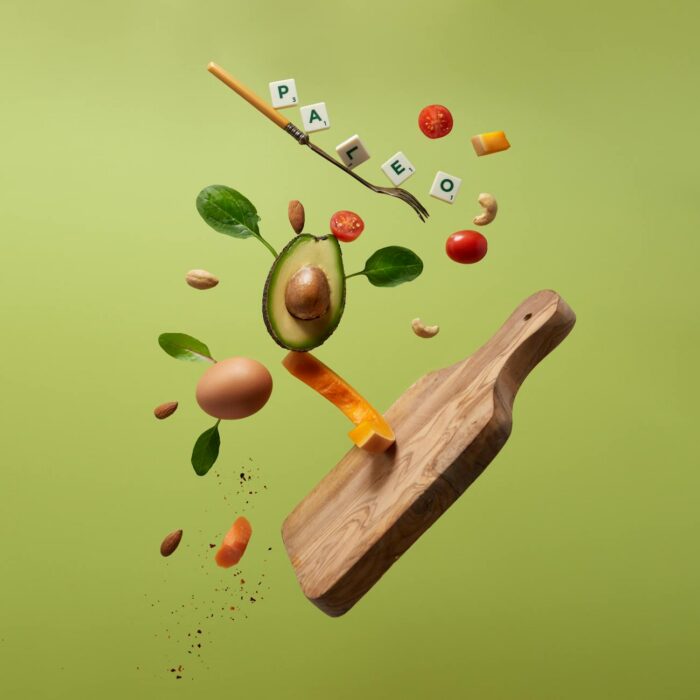
Introducing the paleo diet
Because the paleo diet excludes certain food groups, it is very much a lifestyle diet. Let’s take a closer look at whether eating like a “caveman” is healthy and whether it helps or hinders weight loss.
The paleo diet has been talked about for quite some time now. Embraced by many fit people and celebrities, this way of eating is gaining popularity, overtaking approaches such as the Atkins diet, various blood type diets, the South Beach diet and others.
What is the paleo diet?
The Paleolithic diet, often called the “caveman diet” or “Stone Age diet”, does not mean you have to start hunting animals with primitive tools to feed yourself. It means eating from certain nutrient groups. The paleo diet is based on the idea that the healthiest and most natural way to eat is to follow the diet of our distant ancestors as closely as possible.
The main foods included in the paleo diet:
• Meat
• Fish
• Vegetables
• Fruit
• Root vegetables
• Nuts
Grains, legumes, dairy products, salt, refined sugar and processed oils are forbidden because these food sources only became available after agriculture emerged and developed. This is essentially a high-protein, high-fat, low-carbohydrate approach, with no requirement to count calories or follow specific training programs.
Why does the paleo diet lead to weight loss?
Many diets fail because they are very difficult to live with. Since the paleo diet also excludes certain foods, you may initially feel that “something is missing”.
Before switching to the paleo diet, you should first develop a broad understanding of nutrition and food. Then, as you gradually eliminate or replace the excluded food groups, your diet becomes increasingly healthy.
Translator’s note: in other words, your food choices alone mean you start eating less. You need less because choosing certain foods keeps you feeling full for considerably longer after a meal.
The results include:
• Less acne
• Improved capacity for work
• A lower risk of heart disease
• A lower risk of diabetes
• Getting your body weight under control
What theory is the paleo diet based on?
The paleo diet is based on the theory that our ancestors’ diet was considerably more organic than today’s diet. People in the Stone Age did not eat cakes, potato chips or burgers; they lived by gathering and hunting, eating what the human body was “designed” to eat.
It is believed that, as a result, degenerative diseases such as arthritis, cancer, osteoporosis and heart disease were extremely rare. People in the Stone Age were fit and healthy, and when they died young, it was usually due to accidents and the effects of a harsh environment rather than disease.
The natural approach of the paleo diet also improves our physical performance and our bodies’ ability to handle the foods we eat. Foods rich in processed fats and carbohydrates are also the main causes of excess weight.
How does the “caveman diet” work?
On this diet, you should replace dairy and grain products with fresh fruit and vegetables. These food groups are more nutritious and rich in substances such as:
• Soluble dietary fiber
• The antioxidant vitamins A, E and C
• Phytochemicals
• Omega-3 fatty acids and monounsaturated fatty acids
• Low-glycemic-index carbohydrates
The diet also includes very little or none of the food groups that contribute to body weight gain, heart disease and diabetes:
• Processed sugar
• Grain products
• Saturated fatty acids and trans fats
• Salts
• High-glycemic-index carbohydrates
• Processed foods
How much weight can you lose on the paleo diet?
We know that to lose weight, we need to consume fewer calories than we burn. The best way to achieve this is to follow a healthy, balanced, low-fat diet. Yet many effective diets also tend to leave you feeling hungry all the time. What’s more, the weight quickly returns when you stop watching what you eat.
The paleo diet is based on what our ancestors ate. Their diet was high in protein, with plenty of fruit and vegetables and a moderate amount of fat. The fat in their diet was rich in omega-3 fatty acids and monounsaturated fats. Protein itself has a greater thermic effect than fat or carbohydrates, meaning that this nutrient group keeps your metabolism active, which in turn helps with body weight management. Protein-rich foods also make you feel fuller than carbohydrates or fats.
Weight loss may be faster in the first few weeks because of the low carbohydrate intake and water loss from the body. You may experience symptoms such as lethargy (drowsiness), headaches or bad breath.
As with any other eating plan, the paleo diet works best when you take things “slow and steady”, “in moderation” and “gradually”. If you start losing more than 1 kg per week, you should make adjustments to slow the rate of weight loss.
How do you follow the paleo diet?
Many books have now been written about this diet. The basic premise is that as long as you eat foods from the recommended list, your body weight should remain under control or decrease.
What can you eat?
• Meat and offal
• Chicken
• Fish
• Eggs
• Fruit
• Vegetables (especially root vegetables)
• Nuts, such as walnuts, Brazil nuts, almonds and macadamia nuts
• Berries—strawberries, raspberries, bilberries, etc.
Some versions of the paleo diet say you should avoid any foods that cannot be eaten raw. Of course, this does not mean you always have to eat them without cooking or otherwise preparing them. They should simply be foods that can also be eaten raw.
Ideally, the animals that provide the meat and eggs should also be fed a natural diet. Livestock should be grass-fed, fish wild-caught, and chickens fed insects and the like. Drinking water is, of course, encouraged, as is drinking tea.
What should you avoid eating?
• Grain products, including pasta and noodles
• All beans and peas
• Peanuts and cashews
• Potatoes
• Dairy products
• Sugar
Alcohol and other drinks containing chemicals are prohibited on this diet, but diet drinks are allowed.
A typical day’s meal plan on the paleo diet
Breakfast
• Omelet with spinach and mushrooms
Morning snack
• Fresh berries
Lunch
• Grilled salmon
• Vegetable salad with flaxseed oil
Afternoon snack
• Mashed avocado with tomato, onion and chili
• Raw carrot and salad
Dinner
• Grilled chicken
• Braised broccoli
• Tomato salad
Evening snack
• Apples baked with walnuts
How expensive is the paleo diet?
The paleo diet consists of foods that can be obtained by hunting, fishing, gathering or growing. Since these foods are natural and organic, your grocery bills are likely to increase.
Arguments in favor of the paleo diet:
• Eating vegetables and fruit reduces the risk of many diseases, such as heart disease, cancer and diabetes.
• The diet is high in essential fatty acids.
• Suitable for those who struggle with carbohydrate cravings and dependence.
• No measuring, weighing or tracking calories and nutrients.
• No need to follow specific training programs alongside the diet.
• Does not require any special, hard-to-find foods.
Arguments against the paleo diet:
• Relatively restrictive, eliminating many commonly eaten and favorite foods, such as pasta, rye bread, white bread, potatoes and various desserts.
• Difficult to maintain in social situations, such as eating out or with family or friends.
• Getting started can be quite difficult, as you have to give up familiar staples such as coffee, sugar, alcohol and processed carbohydrates.
• The diet is based partly on speculation, since it is impossible to know exactly what and how our ancestors ate.
• Requires careful planning and monitoring to ensure your body gets calcium, since dairy products are not allowed.
• Not suitable for vegetarians.
Do you also need to exercise?
Although some books on the paleo diet include training recommendations, there is generally no need to follow specific training programs alongside this diet.
Translator’s note: Of all the advice associated with this diet, whose principles are largely quite reasonable, this recommendation is probably the most confusing for the average person. Things are not quite so rosy when it comes to “eating unlimited amounts of the right foods” and “physical activity being unimportant”!
Final thoughts
Since the paleo diet calls for eliminating processed foods, it is certainly a good approach to removing junk food from your diet. The “Stone Age diet” prohibits foods high in fat, foods high in carbohydrates and processed foods.
This diet emphasizes consuming high-quality protein sources, such as meat, fish and chicken. These foods help you feel fuller. Fruit, vegetables and nuts are good sources of dietary fiber, which also helps you feel full more easily, and they provide vitamins and minerals.
However, the paleo diet also has shortcomings. With dairy products excluded, dietary calcium intake is nonexistent. Nor should you misinterpret the idea that there is no need to exercise or be physically active at all because this diet will make you lose body fat and weight anyway.
Many people who try the paleo diet do not feel well at all initially, as their diet is relatively low in carbohydrates and most of their energy comes from fat and protein. Potential headaches, bad breath and irritability are further factors worth considering when deciding whether this approach is the best fit for you.
As with any drastic change, start slowly if you decide to try this diet. As with any dietary approach of this kind, avoid extremes and try to adapt the eating style you are experimenting with to your individual needs and lifestyle.
Original article here: The Paleo Diet
Author: Janar Rückenberg (translation)
Come work out! ArtGym