
pH levels and healthy eating: a practical guide
pH levels come up whenever someone mentions the “alkaline diet”. The reality is a little less exciting, but also much more interesting — your body regulates blood acidity itself, while your diet and lifestyle affect how well your kidneys, liver and lungs handle the job. Let’s look at what this actually means for you and which changes to your meals make sense.
What is pH, and why does it matter?
pH stands for “potential of hydrogen” and measures how acidic or alkaline a liquid is. The scale runs from 0 (very acidic) to 14 (very alkaline), with a neutral 7 in the middle. Lemon juice sits somewhere around 2, pure water around 7, and soapy water considerably higher.
Human blood is regulated exceptionally precisely within this system — its pH stays between 7.35–7.45. Even a slight shift outside that range would pose a health risk, so your body leaves nothing to chance. Breathing, your kidneys and the buffers in your blood keep that number steady, even if you spend the whole day eating cheeseburgers or drinking smoothie after smoothie.
If you hear someone say that “this food raises your blood pH”, that’s not true. Food and drink tend to affect the pH of your urine and saliva instead, reflecting how hard your kidneys and metabolism are working at the time. In the long run, though, putting strain on your metabolism isn’t helpful, even if your blood is holding its own.
Alkaline and acidic foods
Foods are generally classified by the metabolic residue they leave in your body, rather than how they taste. Lemon is a good example: it tastes sharply acidic, but tends to leave an alkaline residue after digestion.
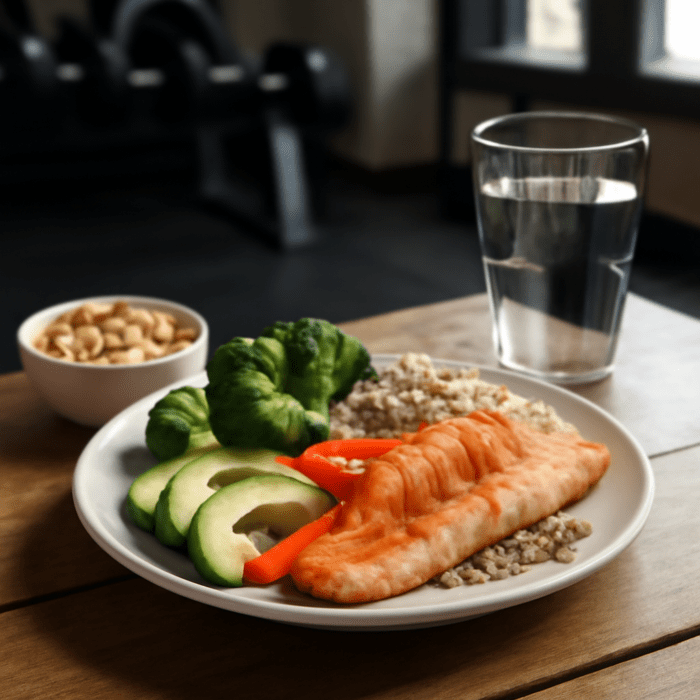
More alkaline: leafy greens (spinach, kale, arugula), cucumber, broccoli, avocado, citrus fruits, melons, berries, and fresh herbs such as parsley and basil.
More acidic: meat (chicken, beef and pork), milk and dairy products, white flour and refined grains, sugary soft drinks, coffee and black tea. This doesn’t mean they’re bad — it’s more a question of proportions.
How to keep your pH balanced day to day
Balance doesn’t mean taking meat or bread off your plate. It means making sure your meals don’t always consist entirely of foods from one side of the scale. A simple rule: fill half your plate with vegetables, a quarter with protein and a quarter with whole grains. If most of what you eat throughout the day follows this pattern, your body’s pH will naturally be in better shape.
- Add something fresh to every meal — a handful of salad leaves, a couple of cucumber slices or a handful of berries.
- Cut back on added sugar. Unsweetened yogurt with bilberries is a better choice than flavored yogurt, even if the unsweetened option costs more at the shop.
- Drink water throughout the day — around 30 ml per kilogram of body weight is a good guide, with more during hot summer weather and on workout days.
- Choose whole grains: rye bread instead of white bread, brown rice instead of white, and rolled oats instead of breakfast cereal.
- Herbs are more than a garnish. Parsley, cilantro and basil add flavor, reduce the need for salt and are rich in nutrients.
Your lifestyle matters just as much as what’s on your plate. Regular physical activity — even a gentle half-hour walk every day — supports your metabolism. Chronic stress and sleep debt throw your body off balance faster than one day of eating pizza. Getting 7–8 hours of sleep a night isn’t a luxury; it’s part of the package.
If you want to monitor your body, you can buy litmus paper at a pharmacy and measure your urine pH. The usual range is between 6.0 and 7.5, and it fluctuates throughout the day. A single reading doesn’t tell you much — the pattern over a week gives you a better idea of whether things are moving in the right direction.
Frequently asked questions about pH levels and nutrition
Does the “alkaline diet” cure diseases?
No. A varied diet rich in plant foods is beneficial for several reasons — more dietary fiber, vitamins and minerals — but it doesn’t directly change your blood pH. Bold health claims promising miracles are usually a sales tactic.
Do I have to give up meat?
No. A moderate amount of quality meat or fish alongside plenty of vegetables won’t upset your pH balance. Problems arise when your plate contains nothing but meat, potatoes and white bread every day, with nothing fresh.
Are sports drinks and coffee a problem?
Not in moderation. One or two coffees a day are perfectly fine for most people. Sugary sports drinks and energy drinks are a bigger concern — they contain plenty of added sugar and acids, which put a strain on both your teeth and your metabolism. After a workout, water or diluted juice is usually enough.
You can always find foods with a pH level that suits you at ARMUDU restaurants.
Come and work out! ArtGym




