
Potassium is one of those minerals you only think about when something goes wrong — cramps at night, unusual fatigue or an irregular heartbeat. This article has a simple aim: to explain where potassium comes from, what it does in your body and when to take a possible deficiency seriously.
Why potassium matters for your body
Muscle contraction, nerve impulse transmission and fluid balance within cells all depend on potassium. When levels drop too low, your muscles become sluggish and your heart may occasionally beat out of rhythm. Potassium also helps keep blood pressure down by balancing sodium’s effects on blood vessels.
It also plays an important role in growth and cardiovascular health. In short, without enough potassium, nothing really works well.
Where to get potassium in your diet
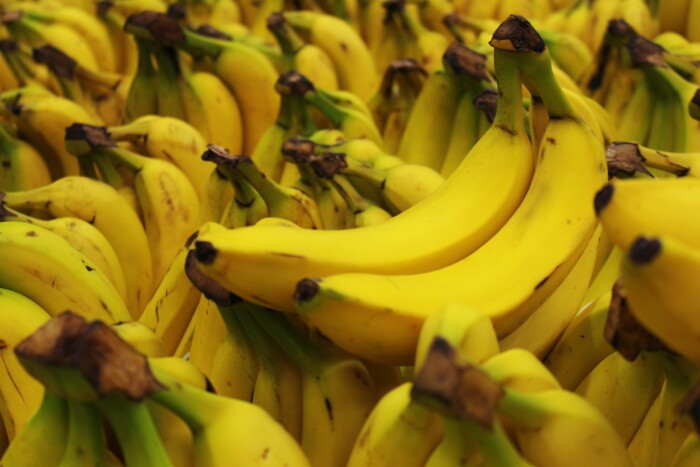
The good news is that everyday foods contain plenty of potassium — unless you spend the whole week living on pastries and slices of meat. Traditional sources in Estonian cooking include raisins, prunes and dried peaches, cabbage, cauliflower, carrots, beetroot and potatoes. Bananas often get all the credit, but the truth is that spinach and boiled potatoes often provide even more in one serving.
Nuts, peas, bilberries, strawberries, grapes, apples and whole grains round out the picture. If your daily diet includes two or three different vegetables and a handful of nuts, you will naturally get enough potassium.
Your needs vary with your age, body weight and overall activity level. In summer, when you sweat a lot, you use considerably more potassium. The same applies after diarrhea or vomiting, or during pregnancy, when your body’s overall need for fluids and minerals increases.
Potassium deficiency: signs you should not ignore
Your body usually gives you warning signs before things become critical. The most common are muscle weakness, leg cramps — especially at night — and a general feeling of unusual fatigue that coffee does not relieve.
A more severe deficiency also brings sleep disturbances, high blood pressure, abnormal heart rhythms and low mood. If several symptoms appear together and do not go away within a couple of weeks, it is time to talk to your family doctor and have a blood test. There is no point trying to diagnose a mineral imbalance yourself through guesswork.
Practical tips: getting potassium from food every day
These simple steps are enough in most cases:
- Add at least one vegetable or fruit to every main meal.
- Keep dried fruit (raisins, prunes, apricots) handy for snacking at work.
- Training regularly? Drink water and have a salty snack after your workout — sodium and potassium work together.
- Choose whole-grain products instead of white bread if they fit naturally into your diet.
If food alone is not enough or your doctor has identified a deficiency, a short course of supplements can bring levels back to normal. Pharmacies and supplement shops carry various products, such as Kaalium. Before taking a tablet, though, talk to your doctor or pharmacist — too much is more dangerous than too little, especially if you take any heart medication.
Frequently asked questions about potassium
Are bananas the best source of potassium?
Bananas contain a good amount of potassium, but boiled potatoes, spinach and dried apricots often provide even more for the same serving size. Variety is better than relying on one fruit.
Does sweating cause potassium deficiency?
Prolonged heavy sweating — during long workouts in a hot gym or summer bike rides, for example — can lower your levels. This is not a concern in everyday life, but if you take part in endurance sports, it is worth keeping an eye on.
How can I tell if I have a potassium deficiency?
The only reliable way is a blood test at your family doctor’s practice. Symptoms offer clues, but muscle cramps and fatigue can also be signs of magnesium or iron deficiency, or simply a lack of sleep.
Author: Turg.Fitness.ee
Come for a workout! ArtGym




