
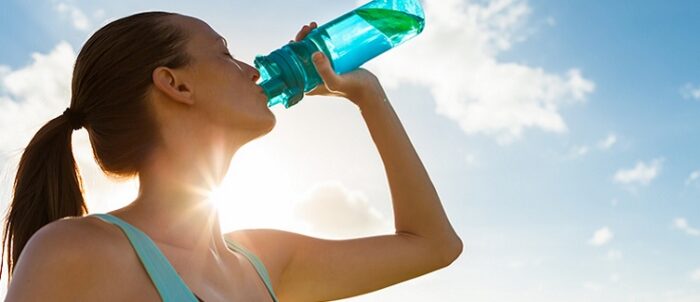
How to drink enough fluids in summer
Estonian summers have been surprisingly hot in recent years, and your body needs more fluid than we’re used to. Here you’ll find practical tips on getting enough fluids — from food, drinks and small habits that help you cope with the heat.
If you prefer a hot room to a sandy beach and like to spend your time at the computer, online-casino.ee lists a few instant casinos in Estonia. But even when you’re sitting on the sofa, it’s worth keeping a glass of water within reach — and that’s exactly what we’re going to talk about.
You can get fluids from food too
About 20% of our water intake comes from food. It’s an amount we usually forget to count.
Cucumber, celery, radish, tomato, cauliflower, bell pepper, watermelon, broccoli, spinach, strawberries and grapefruit are all at least 90% water. It’s no coincidence that these are the foods you crave in summer. Your body is quietly signaling that it needs more fluid.
One simple trick: put your fruit and vegetables in the fridge before eating. A cold salad cools you down twice over — through both fluid and temperature.
Which drinks pull fluid out of your body?
Not every drink hydrates you. Some actually dry you out.
Coffee, sugary soft drinks, beer, wine, spirits, energy drinks, sweetened tea, smoothies and flavored milk contain a lot of sugar, salt or alcohol. These make your body release water from its tissues. If you can’t break your love of morning coffee, follow it with a glass of plain water. The same rule applies to an evening glass of wine — water afterward is a must.
Plain tap or mineral water hydrates you best. Boring? Possibly. But your body appreciates it more than any brightly colored lemonade.
How to drink more fluids
If you’re getting sick of drinking water, try flavoring it. Add a few slices of lemon, lime, orange or cucumber to a pitcher, or a couple of mint leaves. Berries — especially bilberries and strawberries — give water a light sweetness without any added sugar. Fruit-infused water has grown in popularity in recent years, and for many people it’s the one trick that gets them to finish the glass.
Breakfast is also a good opportunity to take in fluids. A bowl of oat flakes soaks up a lot of water and keeps you full until lunch. Top it with bilberries or strawberries — these berries are themselves rich in water and keep up the quiet hydration.
Another thing that works in summer: a cold shower. It doesn’t put water directly into your body, but it cools your skin and reduces sweating. Less sweat means less fluid lost. After your shower, dry off thoroughly — going out into warm air with wet skin can end in a chill and a runny nose even in July.
Signs of dehydration
Your body signals dehydration quite clearly, if you know how to listen.
Dry, irritated, itchy or inflamed skin is the first signal. Headache, drowsiness and unexplained fatigue follow. The most accurate indicator, however, is the color of your urine: in a healthy person it is pale to clear yellow. If it’s as dark as sparkling wine, you’ve seriously under-drunk.
A simple rule: drink at regular intervals, not only when you feel thirsty. Thirst is actually already a slightly delayed signal — by then your body has already lost some fluid.
FAQ
How much water should you drink per day?
A general rule of thumb is about 30 ml per kilogram of body weight — for a 70 kg person that comes to roughly 2.1 liters per day. On a hot summer day and during training, add a couple more glasses.
Does coffee count toward your daily water intake?
Partly. One or two cups of coffee a day provide a moderate amount of fluid, but in larger amounts caffeine tends to dehydrate you. To keep your balance, drink a glass of water with every coffee.
Can you drink too much water?
You can, although it’s rare. If you drink several liters in a row within a short time, your blood can become diluted and hyponatremia can develop. Under normal circumstances there’s no need to worry about it — spread your fluids evenly across the day and your body will thank you.
Author:Turg.Fitness.ee
Come and work out! ArtGym




