
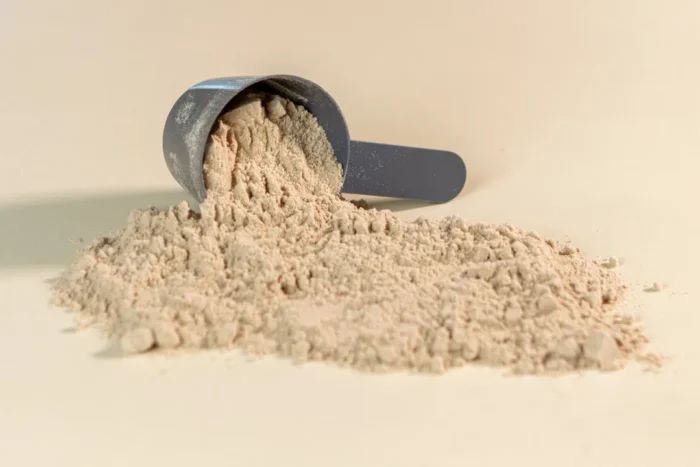
Whey vs casein: which one should you choose?
Whey protein has been an athlete favorite for years — fast absorption, plenty of branched-chain amino acids, an insulin-raising effect. But one Australian study threw all the old assumptions into disarray. What actually happens when you compare whey with casein?
Why is whey protein so popular?
Whey protein is absorbed into the body quickly — which is also the main reason it’s so widespread among people who train. Right after training, muscle tissue needs amino acids, and whey gets them into the bloodstream within minutes. It also contains plenty of BCAAs, especially leucine, which directly triggers muscle protein synthesis.
Earlier studies showed that a combination of whey and casein gives better results than whey with BCAAs and glutamine. That made many bodybuilders look toward casein — not because whey is bad, but because the combination may be stronger.
A 10-week whey protein study in Melbourne
In Melbourne, Australia, a 10-week study was carried out with 13 bodybuilders. The participants were split into two groups:
- The first group added 1.6 grams of hydrolyzed whey protein per kilogram of body weight to their usual diet.
- The second group consumed the same amount of casein per day.
The result was a surprise. The whey group increased muscle mass and reduced body fat percentage significantly more than the group that consumed casein. The Australian researchers’ conclusion: in the short term, hydrolyzed whey protein may have the edge over casein.
The simple truth is that you shouldn’t draw far-reaching conclusions from a single 10-week study with 13 participants. Science moves cautiously — and so should we.
Whey and casein — why take both?
So should you throw your casein away? Definitely not. These two proteins work differently and complement each other well:
- Whey protein is absorbed quickly — ideal right after training, when your muscles need a fast load of amino acids.
- Casein is absorbed slowly and feeds your muscles for hours — ideal before bed to curb overnight catabolism.
Jim Stoppani’s recommendation from Muscle & Fitness magazine: take 10–20 grams of each and even consider adding a little soy protein. Have this blend between meals, right after training and right before bed. That way you help your body do both — build muscle and burn fat.
How to take whey protein day to day
Honestly, protein intake isn’t rocket science. A few practical tips:
- In the morning — your body is coming out of a catabolic state; fast whey protein helps you start the day on the right note.
- After training — whey protein within 30 minutes of finishing your session. It’s a classic that works.
- Before sleep — casein. Slow absorption keeps your amino acid levels up throughout the night.
- Between meals — a blend of whey protein and casein, ideally topped up with soy protein as well.
How much? About 1.6 grams of protein per kilogram of body weight per day is a good starting point for active people who train. You get part of that from food and part from supplements — the choice is yours.
FAQ
Is whey protein better than casein?
Each has its own strengths. Whey protein is absorbed quickly and suits recovery after training, while casein is absorbed slowly and suits a late-night meal. Combining the two gives the best results.
How much whey protein should you take per day?
Studies often use 1.6 g per kilogram of body weight. A person weighing 80 kg would therefore need about 128 g of protein a day — you get part of that from regular food, and the rest can be topped up with supplements.
Is hydrolyzed whey protein better than regular whey?
Hydrolyzed whey protein is pre-processed — the peptides are smaller and are absorbed even faster. The difference in everyday use is small, but for athletes who train intensively it can sometimes matter.
Source: Jim Stoppani / Muscle & Fitness
Translated by: Aktivist
Source: Whey & casein
Come and train! ArtGym




