
Workout clothes for all weather: a simple guide
Your workout clothes can often determine whether you head out the door or cut your workout short. The weather in Estonia can bring wind, rain, sunshine and chilly evenings all in one week, so your clothing needs to work with your body, not against it.
The simple truth is that the right kit won’t do your workout for you, but it will help you keep moving comfortably for longer. Here’s a practical guide to choosing clothes for cold, hot and rainy weather.
Why your workout clothes need to suit the weather
When you train outdoors, looking good isn’t enough. Your clothes need to wick sweat away from your body, keep you warm when needed and let you move freely. If your shirt stays wet and cold, your body starts cooling down quickly. If your jacket doesn’t breathe, you’ll feel as though you’re wrapped in a plastic bag.
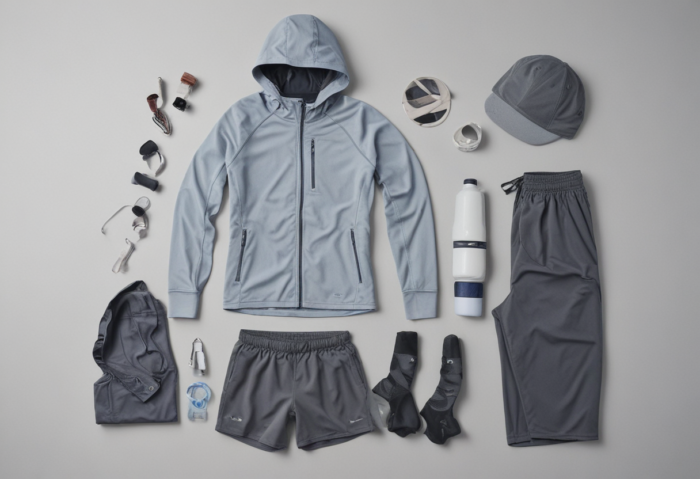
That doesn’t mean your wardrobe has to be expensive or complicated. You just need a few well-chosen layers: a base layer, a warmer midlayer and a weatherproof outer layer. The same approach works on the running track, on a bike or during outdoor strength training.
Cold-weather workout clothes: layers make all the difference
The biggest mistake in cold weather is to put on one thick jacket and hope for the best. You’ll feel warm at first, but after ten minutes you’ll be sweaty. As soon as you slow down or turn into the wind, that moisture starts cooling you down.
Layering is a better solution. Your base layer should sit close to your skin and wick sweat away. Cotton isn’t the best choice here because it absorbs moisture and dries slowly. A lightweight fleece or another warm training top works well as a second layer. Add a windproof jacket, especially if you’re running by the sea, on a forest trail or along an exposed shared-use path.
Your hands, feet and ears need attention too. Lightweight gloves, a warm hat or headband and a decent pair of sports socks make cold-weather workouts much more bearable. If you’re heading out for a longer loop, choose a route that lets you take off a layer or ease your pace if needed.
Hot-weather workout clothes and sweating
Summer in Estonia isn’t always tropical, but 25 degrees and direct sunshine can quickly make a run or bike ride harder. In hot weather, your workout clothes should be lightweight, breathable and quick-drying.
Avoid thick cotton shirts. They cling to your skin, hold on to sweat and become uncomfortable. Technical workout clothing wicks moisture away more effectively and allows your body to cool down. Socks matter too: a wet sock can start rubbing even over a short distance.
Color is a practical consideration too, not just a matter of style. Light colors reflect sunlight better than black or dark gray. If you train at midday, add a cap and sunglasses. Better still, head out in the early morning or evening, when the air is cooler.
Rainy-weather workout clothes and visibility
Rain doesn’t have to ruin your workout. It does, however, pay to dress for the temperature, not just the rain. Too many layers will leave you hot and sweaty, even when the rain is cold.
In rainy weather, choose an outer layer that’s waterproof or at least water-repellent. A fully waterproof jacket is often less breathable, so consider how long your workout will be and how fast you’ll be moving. A heavier rain jacket works well for a gentle walk. For a fast run, a lightweight windproof and rainproof jacket is often a better choice.
A cap is surprisingly useful in the rain. The brim keeps water out of your eyes and helps you see more clearly. In autumn and winter, add reflectors or a brightly colored jacket. Drivers can’t spot a runner in dark clothing from a distance, especially on wet asphalt and in low light.
Workout clothes: what to look for when shopping
Good workout clothing doesn’t have to be the most expensive. Focus instead on the cut, seams and fabric. You should be able to move your arms freely, your pants shouldn’t slip down when you squat, and your shirt shouldn’t rub under your arms. Move around when you try clothes on, rather than just standing in front of a mirror.
If you train year-round, start with the basics: one good base layer, one lightweight jacket, breathable shirts, comfortable leggings or pants, and suitable socks. Choose footwear for your activity. Running shoes aren’t the same as gym shoes, and cycling may call for a completely different kind of support.
Of course, it helps to like the style too. When your clothes fit well and you feel confident in them, it’s easier to get yourself out for a workout. But comfort and weather protection should remain your first priorities.
FAQ: workout clothes for every season
Is cotton suitable for outdoor training?
It can work for a short, gentle workout, but cotton becomes heavy and wet when you sweat. In cool weather, it quickly starts cooling your body down.
How many layers should you wear in cold weather?
Three are usually enough: a moisture-wicking base layer, a warm midlayer and a windproof outer layer. In very cold or windy weather, add a hat, gloves and warmer socks.
Is a waterproof or breathable jacket better in the rain?
It depends on your workout. A more waterproof jacket works well when you’re moving slowly. For a fast run or bike ride, breathability matters more; otherwise, you’ll end up wet from the inside.
Author:Turg.Fitness.ee
Come and train! ArtGym




