Fitness: Kadri Kuusik’s BodyFitness journey
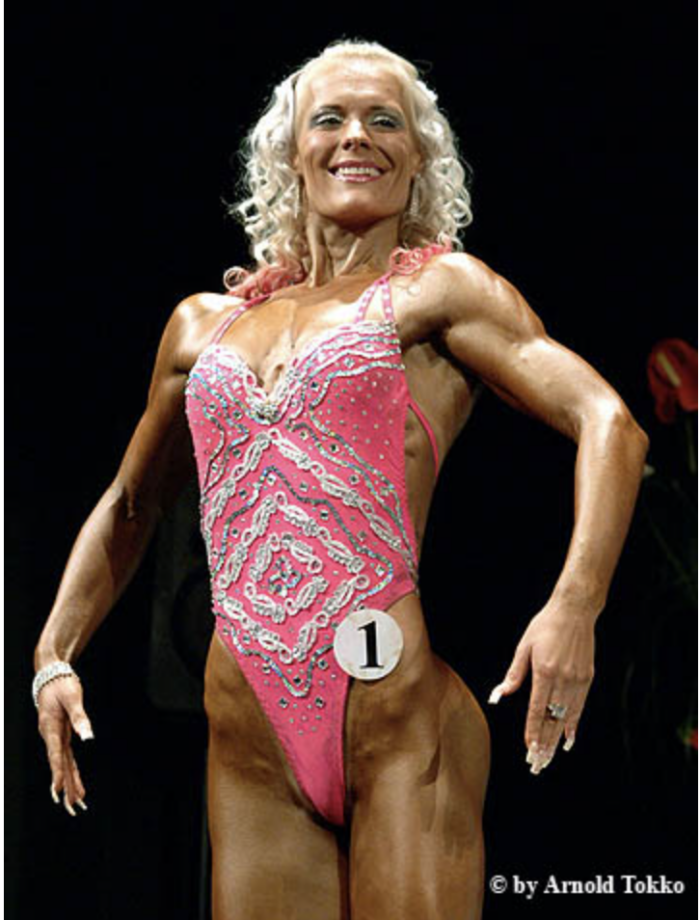
Here, fitness and Kadri Kuusik come together in a very specific story: the 2005 Estonian BodyFitness champion explains how she made it to the stage, what preparation really demanded and why listening to your body is more than an empty phrase. This interview offers an honest look at an athlete’s routine, eating habits, rest and goals.
Fitness: Kadri Kuusik and the road to BodyFitness
Kadri Kuusik did not take up sport to follow a trend. She became actively involved in sport in her first year of school, after recovering from a serious illness. Her first sport was athletics. She particularly enjoyed short, fast distances that demanded intense effort.
At 12, she switched to karate. Kadri believes she reached a very high standard, but repeated injuries eventually forced her to give it up. A break followed. She simply enjoyed being young until, at some point, she noticed how much her body had changed. And the changes were not ones she felt comfortable with.
That was where the gym came in. Kadri says she has a good genetic predisposition to being in shape, but that alone is not enough. She began training regularly under the guidance of Marek Kalmus. It was Marek Kalmus who saw her potential and set her on what she calls the right path.
In truth, there is far more to this story than an impressive stage physique. Throughout her life, Kadri has had a strong desire to be better than everyone else. She says this is probably why she made it all the way to elite sport.
How did Kadri prepare for fitness competitions?
Kadri began preparing for the Estonian Championships on November 13 as early as August, having also competed at the World Championships shortly before that. Preparation meant more to her than simply training more. Her days followed a strict routine, and monitoring her body was central to the whole process.
Food was the foundation of everything. Kadri ate 4-6 times a day and emphasized proper nutrition and regular meals. She cut out fats, kept carbohydrates to a minimum and focused mainly on protein. The proportions of different foods were also crucial, because one diet does not work equally well for everyone.
Dr. A. Levin helped her work out this part, using an immunological test to determine which foods Kadri’s body absorbed best. This was a systematic effort to understand her body, rather than random experimentation.
Training days were long
Mornings included both aerobic training and strength training. At lunchtime, Kadri went home, ate, rested and slept to replenish her energy. Then she returned to training, continuing until the evening. She also led personal training sessions.
From the outside, this way of life may sound like a simple matter of discipline, but in reality it is exhausting. You have to give up many enjoyable and important things. Kadri also said she would take a brief break from sport in the spring because she needed to finish university. To do that, she would need to eat properly and rest.
Constant fasting wears the body down. The effects of low blood sugar are very real. This is an important reminder for anyone who sees only the end result on stage, without seeing the price paid to get there.
Kadri’s fitness goals and recovery
Kadri’s main goal was to finish in the top 5 at either the World or European Championships. For her, sport goes hand in hand with a constant need to prove something to herself. That is not always a comfortable feeling, but in elite sport it can be precisely what keeps you on track day after day.
She had little time to rest. Kadri said she enjoyed visiting different leisure resorts. She also spends as much time as possible with her partner: sometimes eating out, sometimes going to the cinema, but mostly staying at home. Household chores take time, too.
One particularly human detail stands out in this answer. Kadri misses spending time with friends, but a lack of time makes it almost impossible. Top performances are not built solely in the gym. They take up space in your personal life, too.
What does Kadri Kuusik recommend for staying healthy?
Kadri’s simple advice for women who are not involved in elite sport starts with nutrition. Eat your more substantial meals early in the day, as these provide the energy you need throughout the day. In the evening, something lighter and protein-based is a good choice: quark, cottage cheese, fish or something similar.
Being active does not have to be complicated. Kadri recommends being active for at least 30 min every day. You could swim, walk, cycle or run. The more varied your activities, the better, as this gives your body a more varied training load.
What matters is strengthening your heart and sleeping well. That is a much more practical goal than simply focusing on the number on the scale. When your body gets enough movement, food and sleep, you feel more energetic, too.
Kadri also highlighted 1 golden rule: eat when you feel hungry, and do not put up with hunger for more than 20 min. Otherwise, you will often eat more than you actually need. Finally, do not smoke or drink excessive amounts of alcohol, as this pollutes your body and drains your energy.
The most important thing is to listen to your body. That’s the best way to understand what works for you and what doesn’t.
FAQ: Fitness Kadri and BodyFitness
When did Kadri Kuusik start taking part in sports?
She became active in sports in first grade, after recovering from a serious illness. She started with athletics, later took up karate and then moved on to the gym.
What was the foundation of Kadri Kuusik’s preparation?
The key elements were regular meals, a consistent daily routine and paying attention to her body. During the competition season, she ate 4-6 times a day and trained several times a day.
What can recreational exercisers learn from this story?
A simple truth: eat regularly, be active for at least 30 min every day and don’t ignore your body’s signals. Getting into healthy shape doesn’t have to start with an extreme competition diet.
Author: Keit Sikk
Source: WHO – physical activity.
Come and train! ArtGym