
Seafood in strength training: why it works
Seafood is an often underrated ally for anyone who does strength training. Last fall I spent a couple of months replacing half of my chicken fillets with salmon, shrimp and Baltic herring — my recovery improved noticeably, especially after heavier leg days. Below I explain why this works and how to bring seafood into your menu without straining your wallet or your kitchen routine.
Why seafood suits strength training
Strength training breaks down muscle fibers. To rebuild them bigger and stronger, your body needs high-quality protein, quickly absorbed minerals and anti-inflammatory fatty acids. Seafood combines all three on one plate — a rare combination that chicken or ground beef alone can’t offer.
An extra bonus: most fish and shellfish are light. After an evening workout, few of us want to go to bed heavy from two servings of ground meat. Steamed shrimp with rice and vegetables digest faster and leave your body in peace.
Seafood as a complete protein source
Salmon, tuna, shrimp, crab and oysters contain complete protein — all nine essential amino acids in the proportions that muscle can actually use. A hundred-gram serving of baked salmon provides roughly 22–25 g of protein, and shrimp even slightly more, all with less saturated fat than red meat.
A practical observation: if you track your daily protein intake (around 1.6–2.2 g per kilogram of body weight is a common recommendation for strength trainees), two fish meals a week cover that goal without endlessly eating chicken breast. Variety also keeps your taste buds fresh — it sounds trivial, but in the long run it helps you stick to your diet.
Omega-3 and recovery
Fatty fish — above all salmon, mackerel, herring and Baltic herring — contain the omega-3 fatty acids EPA and DHA. These reduce post-workout inflammation in the muscles and may ease delayed-onset muscle soreness (DOMS). If you’ve ever hobbled down the stairs for two days after leg day, you know exactly what we’re talking about.
Omega-3 also supports the cardiovascular system, joint flexibility and, indirectly, sleep quality. Good sleep, in turn, is where real muscle growth happens — not in the gym, but in bed.
Minerals that athletes often lack
In an Estonian winter, vitamin D deficiency is the rule, not the exception. Fatty fish are one of the few natural sources of vitamin D you can put on the table. Seafood also gives you zinc (testosterone synthesis, immunity), selenium (thyroid gland, antioxidant), iron (oxygen transport) and vitamin B12 (nervous system, energy). Oysters are almost absurdly rich in zinc — a couple of them cover the daily requirement.
Seafood in Estonian shops
Practically all the larger chains sell fresh salmon, frozen shrimp and Baltic herring fillets. Local Baltic herring and sprat are the cheapest and are fully comparable in nutritional value to imported fish — a couple of euros a kilo, the same protein.
If you want a wider selection — crab meat, oysters, squid, fresh cod fillet — it’s worth looking at specialty shops. You’ll find a rich selection of seafood at Kalaarsenal.
Simple recipes that don’t need a weekend
- Salmon fillet in the oven at 200 °C for 12–14 minutes, with salt and lemon. Nothing more is needed.
- Shrimp in a pan with garlic and olive oil for 3–4 minutes. Serve with rice or whole-grain pasta.
- Mix canned tuna with a boiled egg and have it on whole-grain bread — a classic post-workout snack, ready in five minutes.
- Floured Baltic herring fillets in a pan — an old-school Estonian breakfast that actually beats most protein powders on protein price and taste.
Seafood FAQ
How many times a week should you eat seafood?
Two to three times a week is a sensible balance. That gives you enough omega-3 and vitamin D without the amount of mercury becoming a problem with larger predatory fish.
Is canned fish equal to fresh fish?
For protein and omega-3, almost yes. Check the label for salt content and prefer fish canned in water or its own juice over oil-packed — calories add up quickly with oil.
Does a fish oil capsule replace fish?
Partly. A capsule provides EPA and DHA but leaves out protein, minerals and the feeling of fullness. Ideally, eat real fish and use capsules on the days when fish doesn’t make it onto the table.
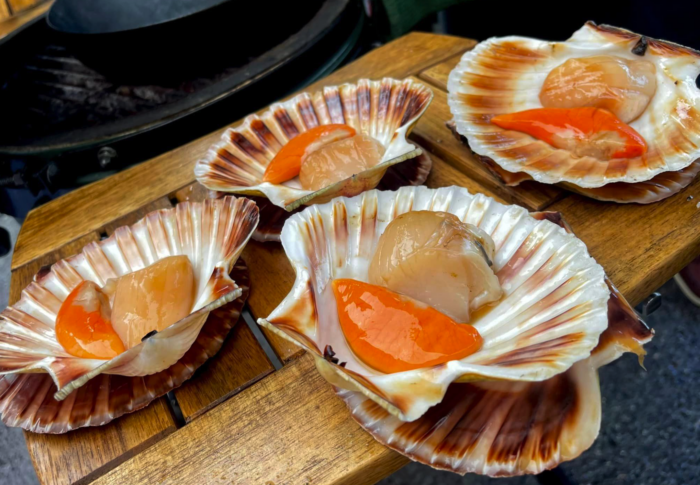
Illustrative photo: Ahti Läheb
Come and train! ArtGym




