
Many foods considered healthy may actually slow your metabolism and hinder weight loss
It is important to understand how different foods affect the way your body uses energy
Marketing can be a powerful tool. A thoroughly unhealthy food can suddenly be promoted as a “superfood”.
Television, social media and packaging design create the impression that a product is a healthy choice. In reality, some popular “fitness foods” may actually disrupt blood sugar balance, increase hunger and put a strain on your metabolism.
Below are 6 foods that may seem healthy at first glance, but are worth keeping to a minimum in your diet.
1️⃣ Oat milk
Oat milk sounds healthy, and many people see it as an ideal plant-based alternative to milk.
The problem, however, is what happens to the oats during production.
- During production, the starch in oats is broken down into rapidly absorbed carbohydrates
- this can cause blood sugar levels to rise quickly
- the result is fluctuating energy levels and hunger returning soon afterward
In practice, oat milk often acts like a liquid carbohydrate drink in terms of its effect on your metabolism.
2️⃣ Protein bars

Many protein bars are marketed as “fitness snacks”, but the ingredients list often tells a different story.
They often contain:
- sugar syrups
- artificial sweeteners
- emulsifiers
- stabilizers
- a long list of industrial ingredients
In practice, this means that a protein bar may simply be a chocolate bar with a little protein powder added.
3️⃣ Yogurts with fruit sugar

Fruit yogurt seems healthy because it contains “real fruit”.
The problem, however, is fructose, which is often added in the form of syrup or concentrate.
Fructose:
- is metabolized primarily in the liver
- in excessive amounts, may promote fat accumulation in the liver
- may increase levels of metabolic stress
It is important to distinguish between:
- whole fruit (dietary fiber + nutrients)
- liquid or added fructose
These do not affect your body in the same way.
4️⃣ Juice-based smoothies

A smoothie seems like the ideal “healthy drink”.
But many smoothies contain:
- 40–60 g of sugar
- concentrate from several fruits
- little dietary fiber
This may mean that one smoothie contains more sugar than a can of Coca-Cola.
Liquid sugar also does not make you feel as full as whole food does.
5️⃣ Plant-based milks
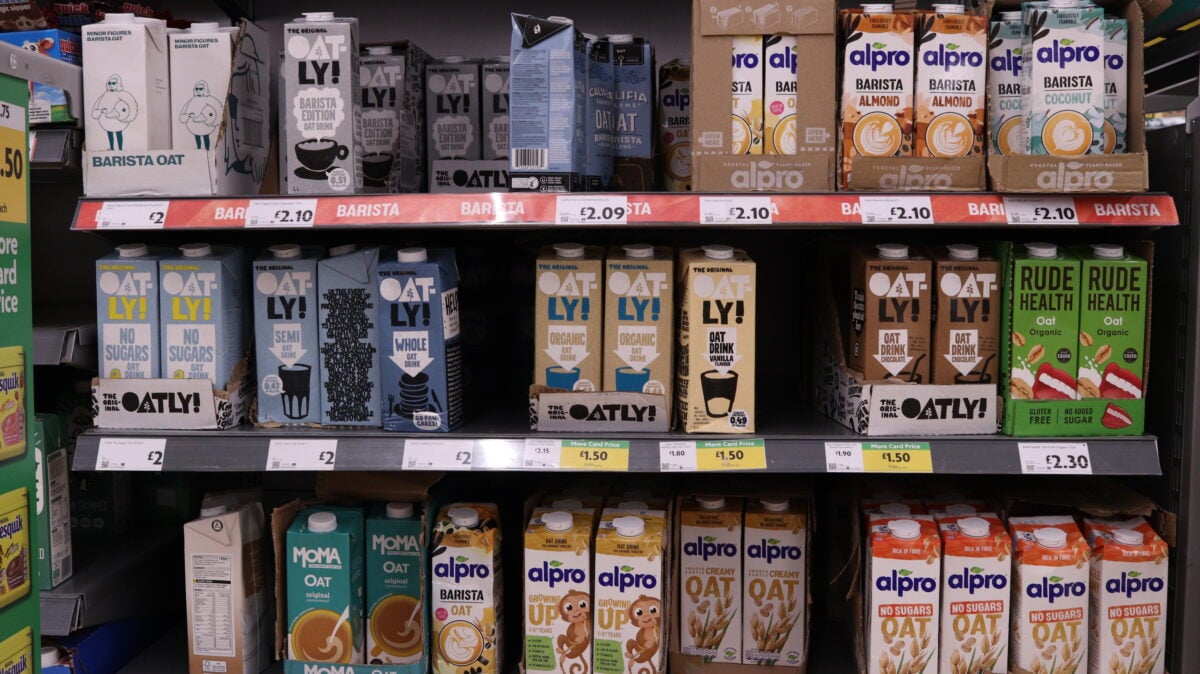
Plant-based milks seem healthy, but reading the label can come as quite a surprise.
They often contain:
- just 2–5% nuts
- the rest is water
- added oils
- stabilizers and emulsifiers
So they may not be as nutrient-rich as the marketing promises.
6️⃣ Protein powders with sucralose

Protein powder itself can be very useful.
Many people do not get enough protein each day, and protein powder is an easy way to increase your protein intake.
The problem, however, lies with flavored products.
Most protein powders on the market contain:
- sucralose
- artificial sweeteners
Some studies suggest that sucralose may affect the balance of the gut microbiome, which may in turn affect metabolism.
Summary
Not every food marketed as “healthy” is automatically good for you.
It is often worth remembering a simple rule:
The less processed the food, the better it is for your metabolism.
Good choices include:
- real food
- high-quality protein
- vegetables
- healthy fats
- unprocessed carbohydrates
Marketing can be powerful — but your metabolism cares about what you actually eat, not what the advertising says.

Author: Heikki Mägi – Frillice
Come work out! ArtGym




