Gamified training programs keep you in shape
Summer is one of Estonians’ favorite seasons! The chance to lounge in the sun, tackle projects around the house and simply rest makes it the perfect time to put your winter hobbies on temporary pause. But making the most of the beautiful weather and waving goodbye to a training program you followed carefully from autumn to spring has one big downside: getting back into training after the break. Where do you find the drive that all that resting has drained away? This is where gamified training programs can really help.
Stepping back onto the treadmill, into the gym or into a group fitness studio in autumn takes a lot of willpower and a sense of duty – and knowing that intense training will send your heart rate through the roof after a break and leave your back drenched in sweat does nothing to help you get back into the training habit.
Gamified training programs help keep motivation up
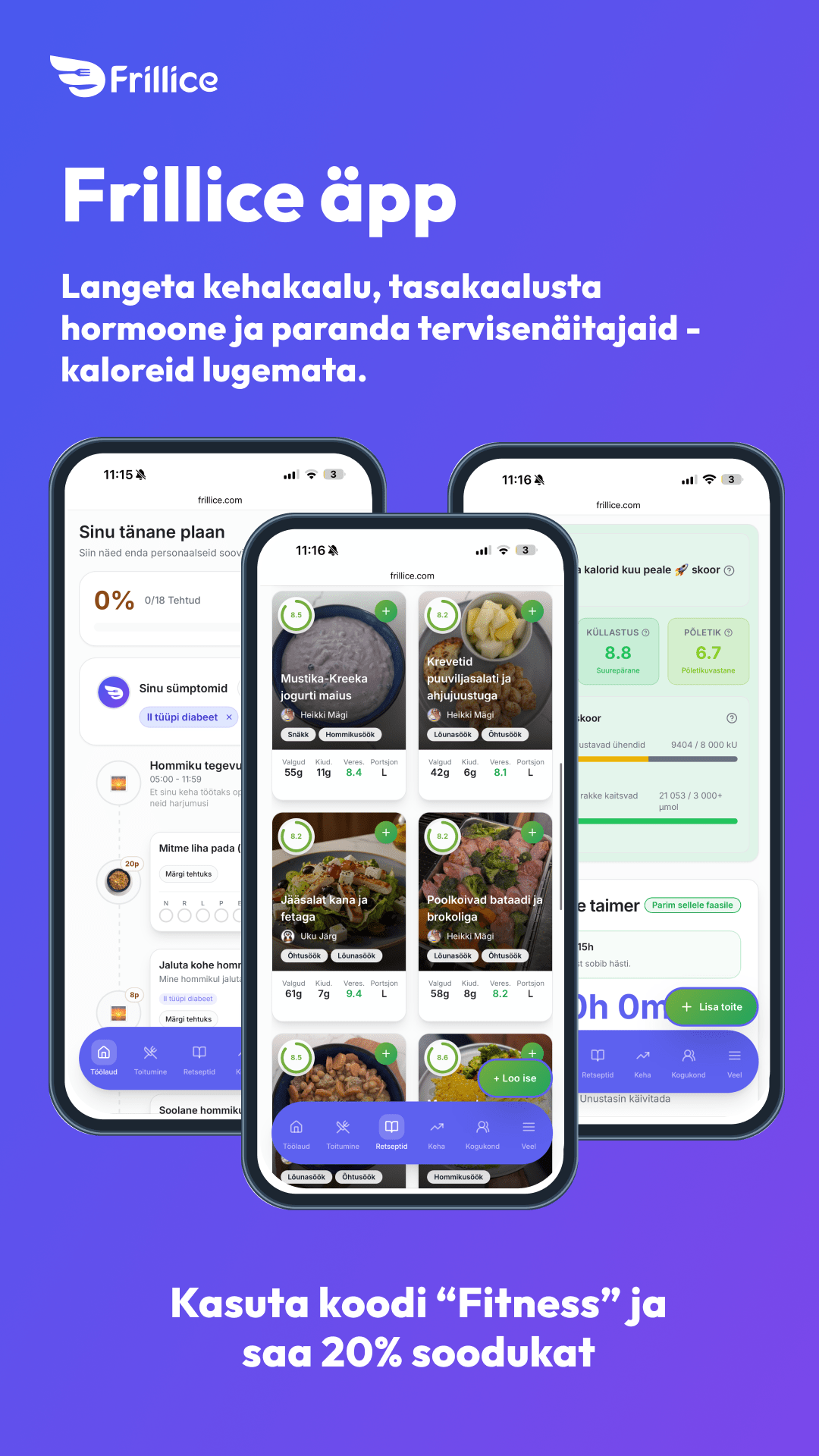
Apps that make people friends with sport, the online casinos listed on the comparison site online-casino.ee/valismaa-kasiinod/ and other entertainment sectors all use mascots, achievement systems and other techniques borrowed from games to build brand loyalty, inspiring users to log in to the site or app again and again. This approach is known as gamification – bringing elements used in games into a non-game context.
For example, recreational athletes starved for motivation can turn to gamified training programs that transform classic training from huffing and puffing into a fun, entertaining game. Both Google Play and the App Store offer plenty of training programs with built-in motivational extras.
For instance, taking part in a training program can make you the main character of an adventure story, with characters and a plot that have had as much energy put into them as the TV series on an average streaming platform. Another common way to keep motivation up is an achievement system that rewards participants with a perk when they reach a certain milestone. A third way to spark users’ interest is virtual competitions – who wouldn’t want to be better than everyone else!
Just running isn’t exciting enough? Try escaping from zombies!
One of the best-known gamified fitness apps is the running-focused Zombies, Run!, which has the user flee from virtual zombies. It is an 8-week training program built on Couch to 5K, created nearly 30 years ago by American Josh Clark.
Both Zombies, Run! and Couch to 5K serve the same goal – giving everyone the chance to train, within two months, into an athlete fit enough that running 5 kilometers without stopping is no problem. Depending on the week, each workout session lasts 30–50 minutes, and following the program requires logging at least three sessions per week.
The program’s structure is simple: Zombies, Run! is HIIT training that alternates walking, jogging and running, with the share of time devoted to running growing each week and the share devoted to walking shrinking. In the first week, the person fleeing the zombies faces a jogging session alternating a minute of walking with 15 seconds of running; in the middle of the program, each minute of walking is followed by running and jogging in 30-second stretches; in the final week, the only way to escape the zombies is to run. When you’re just starting out with running, sprinting in bursts is physically easier than running nonstop, and, second, interval training is a good way to give your brain a boost.
Achievements and virtual rewards to cement the habit
Zombies, Run! and similar training programs don’t just let users take part in a grand adventure story while they train – they also use achievements to help cement the training habit. Gamification helps make a duty mentally more attractive and, to a certain extent, also strengthens your sense of commitment.
If a training app gives you even an animated gold star for marking this week’s scheduled workouts as done, a powerful cocktail of neurotransmitters is released in the brain. Under the combined influence of endorphins, serotonin, dopamine and oxytocin, a person perceives completing the workouts as a much bigger achievement and is likely to keep using the program.
Continuing with the Zombies, Run! example – once the 8-week training program has been completed successfully, the user can take on a program aimed at training for a 10-kilometer continuous run. Many runners see a training app with an achievement system simply as a motivating springboard and carry on with the running hobby they’ve picked up without the app’s support.
An approach that changes your attitude to sport – see training as a reward rather than a duty
What keeps people away from regular training? We could point to lack of time, fitness club membership fees, the cost of equipment and other arguments, but it all starts in the same place – the brain. People who are far removed from sport see regular training as a tedious duty whose benefits don’t show on the outside right away but only as a result of regular, long-term exercise.
In reality, exercising is a way to reward yourself, and the beneficial effect of sport on mental well-being and health can be felt right after training: hormones produced in the muscles during physical activity create an immediate sense of well-being, and to earn that immediate benefit from training it doesn’t matter whether the exercise program you completed was put together by a sports app or by a fitness club’s professional trainer.
The best place for training in private is the fitness club ArtGym, which can be booked around the clock, but if you don’t have the time or opportunity to drag yourself to a fitness club, home training programs also work for keeping your body toned. Thanks to interactive sports apps that combine training with entertainment, recreational athletes’ training options are more varied than ever!
Come and work out! ArtGym