Creatine monohydrate: how to use it and what it does
Creatine monohydrate is one of the few supplements whose effects have been proven over decades, in elite sport and among recreational lifters alike. The simple truth: it is not a miracle cure, but in short, high-intensity work it measurably increases strength and repetitions. Below we look at what this molecule actually is, how it works in the muscles and how to use it safely at a 3g daily dose.
What is creatine monohydrate
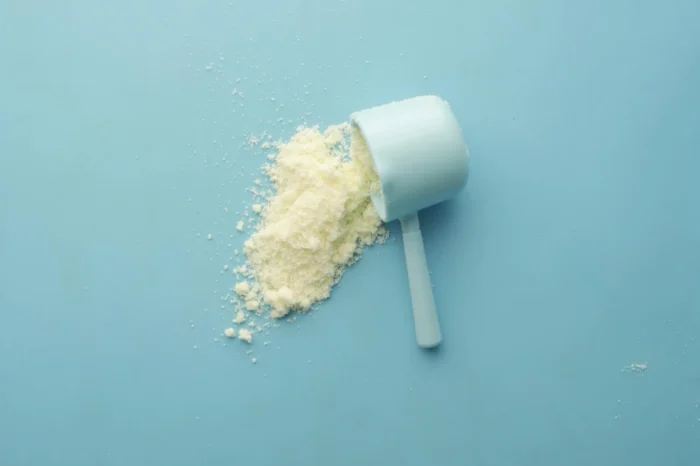
Creatine is a compound similar to an amino acid. The human body produces it on its own, mainly in the liver and kidneys, and we also get it from red meat and fish. About 95% of all the creatine in the body is stored in skeletal muscle. Creatine monohydrate, the form used as a supplement, is the most stable and most thoroughly studied form of this molecule. A micronized version means the powder particles have been ground finer, so it dissolves better in water and leaves less sediment at the bottom of the glass.
Typical supplements contain 100% micronized creatine monohydrate, with no sweeteners, colorings or additives. The shorter the ingredient list, the better, because creatine needs nothing alongside it to do its job.
How creatine monohydrate works in the muscles
In the muscle cell, creatine binds to phosphate and forms phosphocreatine. This is an energy reserve the body draws on during the hardest but shortest efforts: the first 5–10 seconds of a sprint, the last reps of a heavy squat, an explosive row with the iron. When your phosphocreatine stores are larger, you can squeeze out one or two extra repetitions or lift a little heavier. Added up over time, that means a better training stimulus and faster progress.
So what actually happens? During the first weeks, muscle cells draw in more water, which causes the typical 1–2 kg weight gain that many creatine users notice. It is not fat, and it is not mere bloating: water inside the cell is part of how muscles work. In the longer term, the better training volume also helps build actual muscle mass.
Who does it work for? Most strongly for athletes doing strength or speed training: barbell extensions, sprints, CrossFit workouts, the explosive movements of ball sports. For endurance athletes (marathon, long-distance cycling) the benefit is smaller, but not negligible. Vegetarians are often considered the group that gains the most from creatine, because their baseline stores are lower.
Creatine monohydrate in training: dose and timing
The typical recommendation is 3 g of powder per day, on both training days and rest days, ideally at the same time of day. This is the dose that keeps your muscle creatine stores saturated when you take it consistently over weeks. A fast “loading phase” (20 g per day during the first week) has also been used in studies, but the average recreational lifter doesn’t need it: saturation is reached within a couple of weeks even on a 3 g dose, with less digestive discomfort.
Mix the powder into a glass of water, juice or a protein shake. Hot tea or coffee gradually breaks down some of the creatine, so cold or lukewarm liquid is best. On training days there is no fixed time: early in the morning, before training, or after your workout alongside carbohydrates. What matters more is that you take it every day.
A typical package is 500 g, which lasts one person roughly half a year. Store the powder in a dry place in a sealed container, because moisture clumps the particles together and shortens shelf life.
A more detailed overview of creatine use has been compiled in the fitness.ee wiki. A specific micronized product is offered by Olimp Creapure – monohydrate.
FAQ about creatine monohydrate
Is creatine safe? For healthy adults, 3 g per day has been considered safe for long-term use. The product is not suitable for children or adolescents and should be kept out of the reach of children. If you have kidney disease or take medication, consult your doctor before starting.
Is cycling necessary? No. Studies don’t show that the body stops responding or needs a break. You can take creatine continuously, and if you stop, your muscle stores return to their natural level within a couple of weeks.
Why am I noticing weight gain? Some weight gain may occur during the first weeks. It is largely water inside the muscles, not fat. Many people actually see it as a positive: the muscles look fuller and performance improves.
The product is intended for adults as a food supplement. A varied and balanced diet and a healthy lifestyle remain the foundation: creatine monohydrate is a tool to go alongside them, not a replacement.
Author: Turg.Fitness.ee
Source: Health Board – food supplements.
Come and work out! ArtGym