The almighty squat: strength, muscle and shape
The squat is one of those exercises people in the gym often describe far too simply: do it and things will get better. But there’s some truth in that simple advice. If your goal is more muscle, a stronger body, better shape or more powerful legs, the squat is very often the right place to start.
That doesn’t mean one exercise does all the work for you. Squatting gives you a strong foundation, but the result depends on technique, weight, sets, rest and what you eat. Even when the effort feels like 100%, the movement has to stay controlled. A simple truth: the same exercise can serve several goals if you do it the right way.
Why does the squat give you so much?
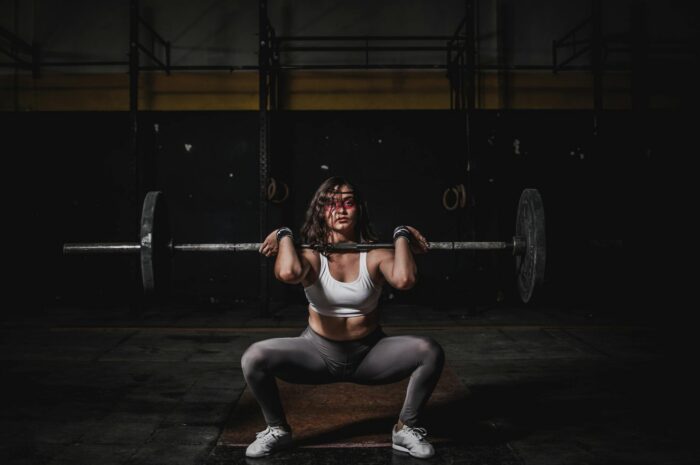
Picture an ordinary barbell squat and think about which muscles are working during the movement. Your legs, glutes, torso, back and abs, even your shoulder girdle, all have to stay tense to keep the barbell secure. That’s why the squat feels different from a small isolation exercise. It doesn’t ask just one muscle to do the work.
The idea can be put very bluntly: if, say, “20” muscles work during a biceps curl, then “200” muscles may be working during a squat. These numbers aren’t a lab measurement, just an illustration. The point is clear: the more of your body works at once, the greater the overall effort.
This is exactly what makes the squat valuable for muscle mass, strength and shape alike. A heavy squat demands focus, good posture and bold effort. Once your technique is in place, it teaches the body to work as a single whole.
- Squatting engages a great many muscles at once. When you squat, essentially your whole body is working.
- The effect of the squat depends on how you squat: with what weight, how many repetitions and how long your rest breaks are.
- Nutrition also strongly influences the final result you get from squatting, especially when your goal is muscle mass or fat burning.
The squat for muscle mass and strength
Want to increase your overall body mass through muscle? Squat. That old line sounds harsh, but the idea holds. When a single movement puts a heavy training load on your thighs, glutes, lower back, abs and the rest of your core, your body gets a much clearer growth signal than it does from a few small extra exercises.
That doesn’t mean your arms, chest or back don’t need their own training. Of course they do. But heavy squatting creates a general strength platform for your body. As your legs and torso get stronger, many other exercises become more solid too. You stand better, hold tension better and dare to control heavier weights.
When it comes to strength, it’s even simpler. Your body develops the most strength when many muscles have to work hard at the same time. That happens when you lift something heavy off the ground, carry heavy loads, push a car to get it started or drag something along behind you. These activities aren’t just “leg exercises.” They’re whole-body efforts.
Squatting heavy for low-rep sets develops maximal strength. With moderate weight and longer sets, you can also train work capacity and muscular endurance. Same exercise, different emphasis. That’s where much of the squat’s appeal lies.
The squat for shape, legs and fat burning
If your goal is a toned body and a better butt, the squat is back in the picture. When you rise from the bottom, your glutes and hamstrings do most of the work, while your quads help control the movement. Proper depth and a stable position count for more here than ego over the weight on the bar.
When it comes to fat burning, squatting isn’t magic. You start losing fat when you expend more energy than you take in from food. That said, squatting is an energetically expensive exercise, because many muscles work at once. That’s why a serious squat day takes more out of you than some small arm exercise.
For building your legs, the squat is even more direct. The barbell may sit on your upper back, but your legs do the work. Your quads, hamstrings, glutes, lower legs and hip flexors and extensors all take the training load. If your legs aren’t growing, you often need to look honestly at whether squats are in your plan at all and whether you’re doing them with enough effort.
There’s also a tough recommendation: if regular sets don’t help, you can try twenty-rep sets or even longer sets, such as timed sets. This isn’t the first choice for every beginner, but for an experienced lifter, such a period can give the legs a completely new stimulus.
How to make the squat work smartly
Rule number one: technique before weight. If your knees cave in uncontrollably, your back loses its position or your heels lift off the floor, more weight is not the solution. Start with a weight you can actually control, not one you merely survive.
Choose your sets based on your goal
If you want maximal strength, heavier sets and longer rest suit you best. If your aim is muscle growth, moderate weight and controlled volume often work well. If your goal is shape and endurance, you can use longer sets, but your technique has to hold up even under fatigue.
Eat in line with your goal
Squatting won’t save a poor diet. To build muscle mass, your body needs enough energy and protein. To lose fat, your total expenditure has to be higher than your intake. The exercise is a tool, not an excuse to eat haphazardly.
Don’t make the squat just a test
Many people test far too often how heavy a barbell they can handle. Training shouldn’t be an exam every week. Sometimes it’s smarter to do solid sets, keep your depth consistent and build up volume. That’s where strength comes from over the long run.
Squat: FAQ
Is the squat only for leg day?
Mostly, yes, but its effect doesn’t stop at the legs. Squatting also strengthens your core, your posture and your overall capacity for effort. That’s why it’s the central exercise in so many programs.
Does the squat also help burn fat?
Yes, as long as your overall daily energy balance supports it. The squat burns a lot of energy because so many muscles are working, but fat burning is ultimately decided by nutrition too.
Should a beginner start with the barbell squat right away?
If your technique is under control, the barbell squat can be a great choice. If your positioning breaks down, it’s worth starting with bodyweight, a light barbell or the help of a coach. A good squat is built step by step.
To be continued…
Author: Janar Rückenberg
Source:Turg.Fitness.ee
Come and train! ArtGym