
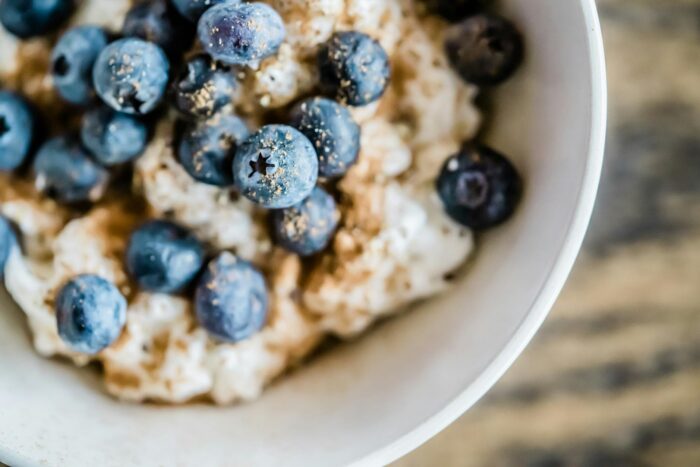
Eating before bed: does it make you fat?
The short answer: eating before bed does not in itself make you fat. If anything, the opposite is true — the right choice before sleep helps preserve muscle mass and supports recovery. Below I explain why this old myth keeps circulating, what really happens in your body overnight and what is worth eating before bed.
The idea for the original story comes from a Jim Stoppani article in Flex magazine (January 2007). I have updated it here and adapted it for Estonian readers.
Why eating before bed doesn’t make you fat
A common belief is that evening food gets “stored” as fat because you aren’t moving. In reality, your body doesn’t know what time it is. Weight gain or loss depends on your overall daily balance — how many calories you take in and burn in total — not on whether your last bite was at 18 or at 22.
The myth probably arose because evening snacking is often exactly the moment when someone eats a whole pack of cookies in front of the TV on top of their daily food. It’s not the timing that does the harm, but the extra calories. If your day fits within your calorie target, a small protein-rich meal before bed won’t make you fat.
What happens in the body overnight
If you sleep as much as someone who trains hard should — around 7–9 hours — you go without food for much longer than you do during the day. Most of us don’t leave such long gaps between meals while we’re awake.
After a few hours, your blood sugar level starts to drop. The brain needs a constant supply of glucose to work. If there isn’t any, the body looks for a backup source. One of the easiest places to get the raw material is muscle protein — amino acids are broken down and converted into glucose. From a bodybuilder’s point of view, this is the worst possible scenario: quiet muscle breakdown going on all night long.
This is where an evening meal comes into play. The right choice before bed gives your body amino acids to use instead of your muscles.
Eating before bed: what to choose
The key is slowly absorbed proteins. The best-known example is casein — a milk protein that digests gradually and provides a steady supply of amino acids for up to seven hours. That covers exactly the window when you’re asleep.
Practical options:
- Quark or cottage cheese — Estonian store shelves are full of them, and their casein content is high.
- A protein shake containing casein, if you like powders.
- Plain Greek-style yogurt with a spoonful of honey.
The amount is usually about 40 g of protein before bed. This not only prevents muscle breakdown; the remaining amino acids may also support muscle growth overnight.
Eating before bed and good fats
In addition to protein, it’s worth considering a small amount of good fats. They slow casein absorption even further and help maintain insulin sensitivity.
- 2 tablespoons (1 tbsp = 15 ml) of flaxseed oil
- 2 tablespoons of peanut butter
- 30 g of nuts (almonds, walnuts, hazelnuts)
You don’t need many carbohydrates in the evening, but a small amount of slowly absorbed carbohydrates pairs well with casein and good fats. For example, 1 cup of oat flakes or 2 slices of wholegrain bread. This combination keeps a glucose supply available for your brain all night and further reduces the likelihood of your body starting to break down muscle.
Practical tips
A few things that make a difference:
- Eat about 30–60 minutes before going to sleep, not in bed. Falling asleep on a too-full stomach hurts your sleep quality.
- Avoid fast-absorbing sugars (candy, juice). They cause a brief blood sugar spike followed by a crash — not helpful.
- If you train late in the evening, your bedtime meal can double as your post-workout recovery meal. In that case, add a bit more carbohydrates.
- Drink enough water during the day. In the evening, ease off a little so you don’t wake up during the night.
FAQ
Does eating before bed make you fat?
No. A daily calorie surplus makes you fat, not the time of day. If you stay within your daily target, a protein-rich evening meal is more likely to help than harm.
Why casein in particular?
Casein is absorbed slowly and supplies amino acids for a long time — up to seven hours. That covers your sleeping hours and keeps the body using the food supply instead of muscle.
What if you don’t have casein or quark on hand?
A piece of chicken breast, a couple of eggs or Greek yogurt will also do. What matters more is that the meal contains a decent amount of protein and isn’t pure sugar.
Author: Armudu
Source: WHO – healthy eating.
Come and train! ArtGym




