Skiing in winter: preparation and nutrition
Skiing is one of the few winter activities that works your whole body at once — legs, arms, back, abdominal muscles. On a longer trip you burn a significant amount of energy, and your heart thanks you for a proper workout. To make sure the trip goes well, it’s worth planning both your nutrition and your gear ahead of time.
Why skiing is one of the best winter sports
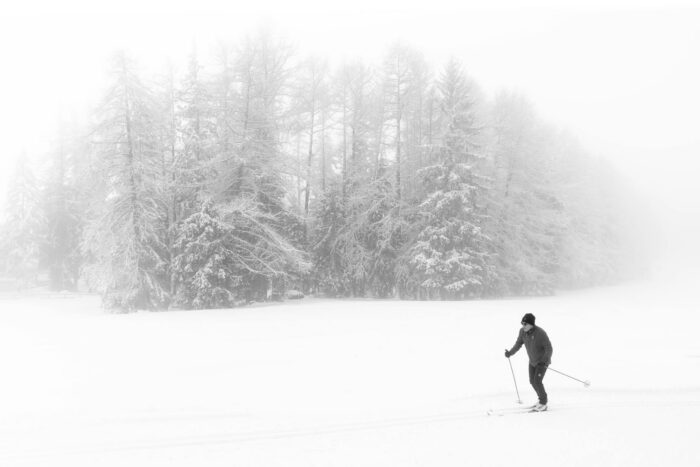
Fluffy snowdrifts, the sun peeking out between the clouds, skis that glide well and good company — a ski trip has a charm that other winter sports can’t offer. Skiing engages practically every muscle: your legs push, your arms pole, your torso stabilizes. That makes it a full-body aerobic training session.
Your breathing improves, your heart works more efficiently and your circulation picks up. Because energy expenditure on a longer trip is high, you don’t need to worry about weight control — your body does that work on its own. An added bonus: skiing in the forest clears the worries of everyday life from your head better than any gym workout.
A simple truth: the better you prepare, the more a ski trip gives back. Tired and hungry, you won’t have the energy to take in the nature around you.
How to prepare your body for a long trip
An experienced skier knows that preparation starts the day before. Waxing your skis is one thing — your body’s energy stores are another.
The day before a long trip, pay attention to getting enough carbohydrates. They are the main fuel under a prolonged aerobic training load. There are plenty of good options: potatoes, pasta, rice, bread, porridge, fruit and natural juices, as well as yogurts and kissels. A carbohydrate-rich main dish with a few slices of bread and some fruit covers your needs completely.
On the morning of the trip, eat a proper breakfast. Don’t set off fasted — half an hour after you start down the forest trail, you’ll feel it.
Skiing takes energy — what to pack in your backpack
What actually happens if the food you brought runs out in the middle of the trip? Even the best skis won’t help when you have no strength left. So always pack more than you think you’ll need.
Easily digestible carbohydrate sources are ideal for your backpack. Good choices:
- Liquid kissels, juices and soups in a thermos
- Bread and a variety of cookies and rusks
- Yogurt (keeps well in cold weather)
- Fresh or dried fruit, raisins
- Nuts
It isn’t sensible to bring very watery vegetables and fruit — in biting frost they turn into icicles. Dried fruit and nuts are compact, energy-dense and don’t freeze.
Add an extra pair of gloves or warm socks too — they take up little space, but when you need them they’re worth their weight in gold.
Skiing and hydration: why fluids are critical
In winter you don’t feel thirst as sharply as in summer. That’s dangerous — your body loses fluid through breathing and sweating even in the cold. During prolonged activity it’s important to make sure your body doesn’t become dehydrated.
A thermos of hot drink is a skier’s best friend. Sipping warm juice, cocoa or soup warms you from the inside and gives you extra energy at the same time. You can also bring water or sports drinks — they quench thirst well when you’re sweating heavily.
Honestly, going on a long trip without a thermos isn’t worth considering. It’s one of those things you only appreciate once you’ve run out.
The ideal way to wind down after a long ski trip is a sauna or a massage. Your muscles have worked hard and deserve recovery.
FAQ: skiing in winter
How many hours before a ski trip should I eat?
A proper meal should be at least 1.5–2 hours before you start. That way the food is digested, but your energy stores are full. A small snack (a banana, some bread) can also be eaten right before the start.
Is skiing in winter suitable for beginners too?
Yes, and very much so. Cross-country skiing on flat terrain is a sport with a low risk of injury. A shorter trail is enough to start with — 5–10 km is a perfectly achievable goal for a beginner.
What should I do if the cold kills my appetite?
That’s common. Warm drinks (cocoa, soup, tea) give you energy without having to chew anything. When your appetite comes back — eat. Don’t let an energy deficit quietly creep up on you.
Author: Morena
PS Come and train! ArtGym