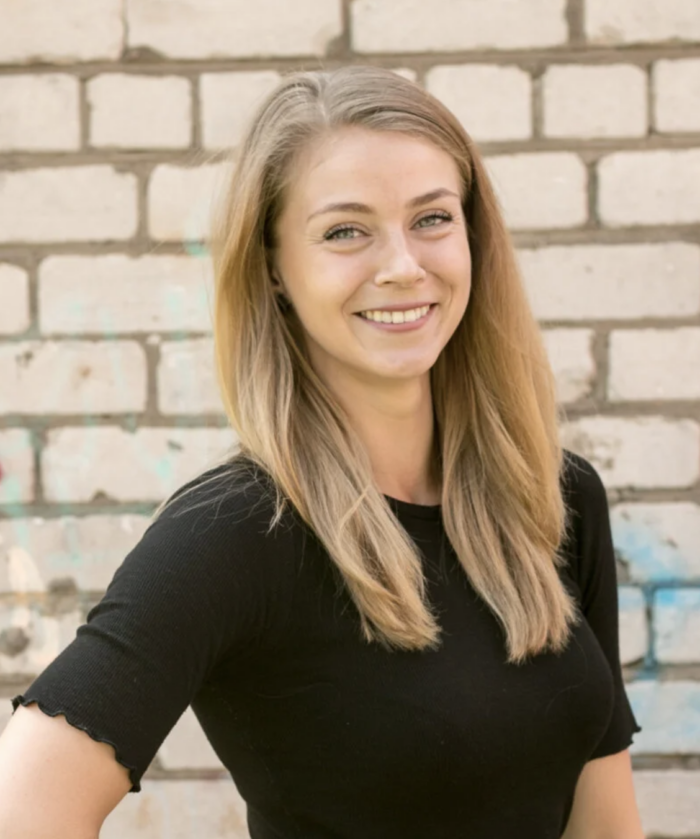
Annika Sakkarias is an athlete whose journey began almost by chance: in seventh grade, she went along to training with a friend. It became a habit that led her to pole vaulting, sprinting and later the 400m hurdles.
Name: Annika Sakkarias
Age: 27 years
Height: 176 cm
Weight: 64 kg
Annika Sakkarias and her path into athletics
How did Annika Sakkarias find her sport? Through an ordinary moment. In seventh grade, she accompanied a classmate to athletics training because her classmate was nervous about going alone.
She did not have high expectations. There would be running, after all, and back then even four warm-up laps felt like hard work. But training was fun. That was what kept her coming back. She has trained regularly ever since.
At school, her main events were the pole vault and sprints. She took up the 400m hurdles in her third year of university (2013). It is an event that demands more than speed alone. You need rhythm, patience and the ability to maintain your technique through fatigue.
She says her greatest achievements are the ones that once seemed almost out of reach: her 2016 400m time of 55.26 and her 2018 400m hurdles time of 59.87. These are more than numbers on a results sheet. They show that consistent work pushes your limits, even when you initially feel you have hit a ceiling.
Before athletics, she tried plenty of other activities. Her primary school years included handball, basketball, ballroom dancing, show dance, badminton, aerobics and, eventually, athletics. There were plenty of options in Lasnamäe, and trying different activities helped her discover what really suited her.
What keeps Annika Sakkarias training?
The truth is simple: willpower alone does not keep you in sport. For Annika, enjoyment, progress and companionship keep her active. When training makes you feel good and you have the right people around you, it is easier to come back even when the weather is bad or the day has been long.
The way she unwinds is ordinary and relatable. On weekdays, she watches films or series with her partner. Recent favorites include Star Trek: Discovery, Chernobyl and Family Guy. She also loves nature documentaries. On her days off, she enjoys spending time with friends and family.
That says a lot about an athlete’s life. Recovery does not always need to be a complicated system. Sometimes the best way to clear your head is a sofa, a good series and people you feel at ease with.
Nutrition, training and everyday choices
Annika describes herself as an intuitive eater. She eats according to how she feels, but at each meal she tries to make the healthiest choice available at that moment. She also allows herself the occasional hamburger or pizza, because she likes junk food too.
A typical day is fairly practical. Almost every morning, she has four-grain porridge made with equal parts water and milk. As a teacher, she eats a school lunch at 11. Around 15, she has a snack higher in protein, such as quark, cottage cheese, a protein pudding or a protein bar.
Dinner is usually a cooked meal: chicken, for example, with a heap of raw vegetable salad and a serving of rice. Dessert might be some fruit or a smoothie. As the competition season approaches, she reduces her carbohydrate intake and snacks on carrots, cucumber and cherry tomatoes to feel full.
A couple of days before a competition, she starts to lose her appetite naturally. Anxiety brings her down to her competition weight, about 2kg below her usual weight. Her favorite meal is rice with mushroom sauce and raw vegetable salad.
Her training is varied. Outside the competition season, she logs kilometers on forest runs, alongside intense interval sessions, uphill and downhill runs, jumps in the sand and weight training in the gym. Sometimes she fits in yoga, and when her knee hurts, swimming sessions too.
During the competition season, training becomes more targeted. Sessions focus on her event, with hurdles and shorter sprints, for example. At every workout, she drinks an isotonic sports drink to which she adds BCAA. She also takes magnesium and iron supplements, multivitamins, glucosamine, cod liver oil and vitamin D.
Annika Sakkarias: tips for getting in better shape
Annika sees her parents as role models: her tireless mother with her can-do attitude, and her persistent father. The same spirit comes through in her advice to anyone who wants to get in better shape.
- The most important thing is to love yourself as you are right now. Beauty is subjective, and you are the only person who determines your worth. If someone makes a nasty comment about your appearance, they are simply being foolish. Why should the way you look affect their life in any way? They should mind their own business.
- Enjoy the process, not the end result. The goal is not simply to look good for a moment, but to make healthy living a habit and improve your quality of life.
- Build habits you can sustain. Everything will certainly feel much harder at first, but the more you train, the better you will get. That is a fact! There is no point going so hard at the gym right from the start that you cannot walk properly for a week afterward. Start gently, get to know your body and adapt your training plan accordingly. Slow and steady wins the race.
On Instagram: /itisannika/
FAQ: Annika Sakkarias
What sport does Annika Sakkarias do?
She has been involved in athletics, focusing mainly on pole vault and sprinting during her school years. She began running the 400m hurdles in her third year at university (2013).
What are her biggest achievements?
She highlights her 2016 400m time of 55.26 and her 2018 400m hurdles time of 59.87. Both times had previously seemed out of reach to her.
How does she recommend getting started with training?
Take it easy. Her advice is simple: get to know your body, build sustainable habits and avoid overdoing it in the gym when you first start.
Author:Turg.Fitness.ee
Come and train! ArtGym