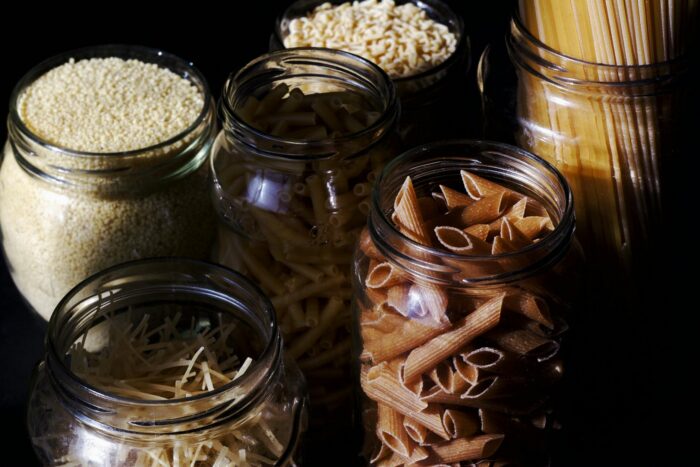
Women have a complicated relationship with carbohydrates. One day we avoid them like the plague, the next we’re sitting on the sofa with a tub of ice cream, eating our way through half a bag of cookies for comfort. Healthy carbohydrates aren’t the enemy — the problem is which ones we choose and when we eat them.
Healthy carbohydrates on a woman’s menu
To function, the body needs all the basic nutrients: protein, fats, water, vitamins, minerals and carbohydrates. Carbohydrates in particular should cover 50–60% of your total daily energy. This isn’t a guideline you can just forget — if you keep pushing your intake below that level, your body will start to protest. Energy runs short, training suffers, mood drops.
Constantly overeating carbohydrates leads to obesity, while undereating them leads to an energy deficit and, from there, to health problems. It isn’t black and white — quantity matters, and quality matters even more.
Eat freely: fruit, vegetables, nuts, legumes, seeds, whole grains, brown or wild rice.
Why sweet cravings happen
Hormones
Experts explain that women reach for sweet carbohydrates to raise their levels of serotonin, the so-called happiness hormone. Studies show that about a week before menstruation, women’s carbohydrate intake rises by nearly 40%. This isn’t a weakness of character, it’s biology.
The solution: know your cycle and prepare for it. Keep fruit, nuts and vegetables at home so that a sweet craving doesn’t automatically mean chocolate.
Diet and poor eating habits
Sudden lunges for fast carbohydrates often come from gaps between meals that are too long during the day. A proper lunch gets skipped, by evening you’re ravenous, and you make up for the whole day with one box of cookies. A strict low-calorie diet produces the same result: the body demands what it’s owed.
The solution: eat whole foods, and have something about every 3 hours. Between main meals, yogurt, fruit, cottage cheese or vegetables all work well.
Fear of fat
Many women cut both healthy fats and carbohydrates from their menu. Within a few days the body gives in, and then they grab something sweet. Studies show the opposite of what you’d expect: women who eat healthy fats often have a lower body fat percentage than those who avoid them.
The solution: keep almonds, olive oil, fatty fish, seeds and nuts on the menu. They won’t make you fat — on the contrary, they keep your appetite under control.
Healthy carbohydrates with every meal
The problem isn’t carbohydrates themselves but quantities. If you constantly eat more than you burn, your body stores the surplus. The logic is simple: match your carbohydrate intake to your physical activity.
A woman whose daily energy need is about 2000 calories could consume 200–300 g of carbohydrates a day. For a woman who trains, that need goes up. One day over or under — nothing happens. Make sure plant foods provide the bulk of your energy: that way, in addition to carbohydrates, you also get fiber and micronutrients.
If you “sin” on some day, don’t blame yourself. Stress sets off another lunge for sweets and the circle closes. Get enough sleep, stay physically active and snack healthily — then your cravings will mostly settle down.
FAQ about healthy carbohydrates
Do carbohydrates make you fat?
No — a calorie surplus does. If you consume 200–300 g of carbohydrates a day and are physically active, they’re simply fuel.
What are the best sources of carbohydrates?
Whole grains, fruit and vegetables, legumes, brown rice, oat flakes. Besides energy, they also provide dietary fiber and micronutrients.
Can you eat carbohydrates in the evening?
You can. The time of day doesn’t magically change the effect of carbohydrates — the daily amount matters more than whether you eat at 18 or at 21.
Author: Egle Eller-Nabi
Source:Turg.Fitness.ee
Come and train! ArtGym