Your gym goal is what sets the rest of the puzzle in place: your training program, your menu and whether you’ll be happy with yourself in three months. Without it, you’re just shifting weight around. Below is a practical framework for finding the right goal and actually reaching it.
Why do you need a gym goal at all?
The answer was simple: I didn’t know what I was actually doing there. I did a bit of legs, a bit of chest, a bit of cardio — a little of everything and nothing properly.
A clear goal changes three things at once. First, you choose exercises that bring you closer to it, not the ones that look good on Instagram. Second, you know what your diet needs to look like — muscle mass gain and fat loss call for essentially opposite calorie balances. Third, you can measure whether the plan is working or needs adjusting.
Frankly, most people quit training not because they’re lazy, but because they don’t see progress. And you can’t see progress if you haven’t defined at the start what you’re moving toward.
How to choose the right gym goal
These are the typical directions to choose from. Pick one main target and keep the others on maintenance — you can’t have everything at once.
- Muscle building. A good fit if the person looking back at you from the mirror seems too skinny, or you want a more athletic look. Training focuses on heavy weights, repetitions in the 6–12 range and progressive overload. In your diet, a small calorie surplus and 1.6–2.2 g of protein per kilogram of body weight.
- Reducing body fat percentage. The goal is a leaner body, not just a smaller number on the scale. There is room in training for both weights and cardio, but the biggest lever is the kitchen: a 300–500 kcal deficit per day, with protein kept high.
- Maintaining general health. An older adult who doesn’t need competitive results, just a mobile back and good sleep. Varied training: 2–3 strength training sessions a week, light cardio, stretching. The goal isn’t found on the scale, but in how you feel day to day.
- Athletic performance. You play football, run a marathon or go to CrossFit competitions. The gym plays a supporting role: fixing weak links and preventing injuries.
- Maximal strength. Squats, presses, deadlifts — if you care about specific numbers on the bar. Low repetitions (1–5), longer rests, patience between sessions.
- Mobility and posture. You work at a computer and your neck aches by the evening. The goal is a functional body, not big shoulders.
So what actually happens if you don’t choose? You get a little of everything — a bit stronger, a bit more enduring, a bit leaner. That’s not bad, but if you want to see a clear change in the mirror, unfocused workouts won’t deliver it.
Practical tips for reaching your goal
A simple truth: a good goal is measurable and time-bound. “I want to be in better shape” isn’t a goal — it’s a wish. “I want to reach a 100 kg squat for five repetitions within three months” is a goal.
A few rules that have worked over the years:
- Write the number down. The scale, a tape measure around your hips, the bar in the squat — pick one and check it every 2–4 weeks.
- Give it time. At best, you add a couple of hundred grams of muscle mass a week. Three months is the minimum before you start to see anything.
- Adjust the program only if there has been no movement at all for two to three weeks in a row. Changing things every session isn’t a program, it’s panic.
- During the first 6 months you don’t need complicated workouts. The basic lifts — squat, deadlift, press, pull-ups — get you 80% of the way there.
- If you haven’t trained before or you’re coming back after a long break, consider a personal trainer session, even if only a couple of times. The technical foundation you get there will keep you free of injuries for years.
You’re allowed to change your goal over time. Spring might be about fat loss, autumn about building strength. What matters is that every month you have a clear answer to the question “why did I come here?”.
FAQ about gym goals
Should beginners set a goal too?
Yes, but a simple one. Your goal for the first half year could be “work out three times a week and learn the five basic lifts”. That’s enough to build the habit and then see what really interests you.
Can I build muscle and lose fat at the same time?
For beginners and people returning after a long break — yes, to some extent. A more trained body has to choose one. Chasing both at once often gives meager results in either direction.
How quickly should I see results?
During the first 4–6 weeks you’ll feel better and see clear progress in your technique. Visual changes come within 8–12 weeks, provided your nutrition is in order. If nothing has moved after three months, either the program or consistency is lacking.
Edited by Arnold Tokko
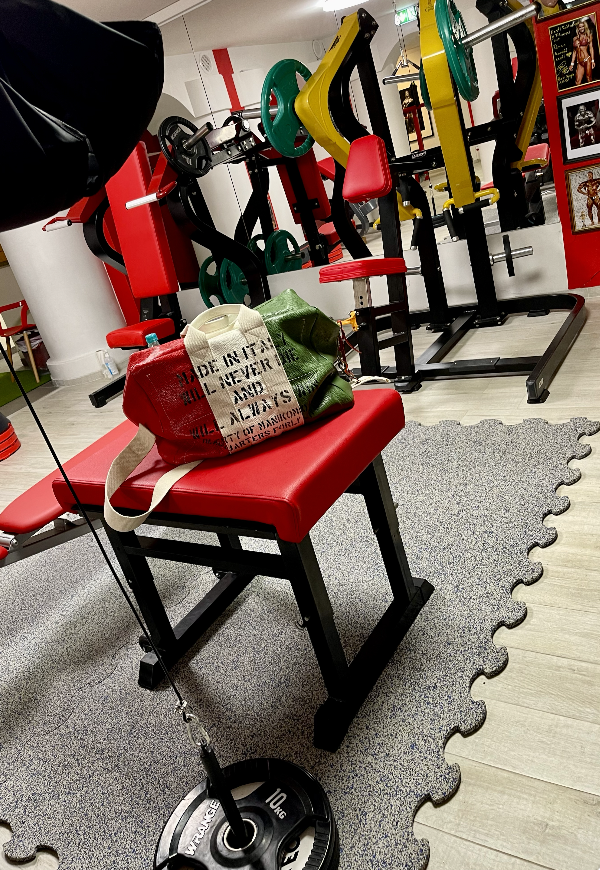
Illustrative photo: Ahti Läheb
Come and work out! ArtGym