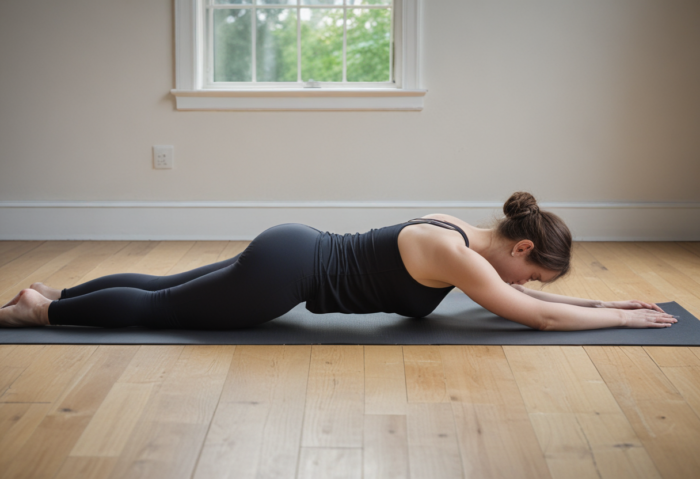
Lordosis is a medical term describing the inward curve of the lumbar spine in your lower back. Lordosis itself—the inward curvature of the lumbar spine—is not unusual, but problems arise when this natural curve becomes more pronounced and/or gets out of control. Excessive lumbar lordosis is the most common cause of back pain, particularly in the lower back, and all serious lifters experience it to some degree, especially those who, in addition to lifting, have to spend hours sitting and/or working at a computer.
As the image shows, hyperlordosis, or an excessive inward curve of the lower back, involves a pronounced forward tilt of the pelvis, which prevents the abdominal muscles and glutes from doing their job. At the same time, the lower back muscles and spinal erectors become excessively tight, often causing nagging, disruptive lower back pain during deadlifts or squats.
Translator’s note: It is not just during these exercises; most of the time, the lower back is also sore and tight at rest.
This nagging pain is often chronic, making itself felt whether you are standing or sitting, 24/7.
How can you ease and reduce excessive lordosis?
In men, the 2 main causes of excessive lordosis are almost always EXCESSIVE SITTING and EXCESS BODY WEIGHT (BODY FAT PERCENTAGE). Sitting too much, for several hours a day, day after day and year after year, causes the hip flexors (translator’s note: the so-called sprinter muscles) to shorten, which in turn causes the pelvis to tilt forward. A large beer belly causes exactly the same negative structural change.
The solution:
1. Get rid of your big belly. Watch your diet: less junk food and junk drinks, fewer carbohydrates, and more natural foods (chicken breast, beef, tuna, root vegetables). Healthy eating should, of course, be combined with training. Lose fat and strengthen your abdominal muscles.
2. Stretch your hip flexors. Lunge stretches are a good way to stretch your hip flexors. Do them regularly, several times a day, holding each stretch for at least 15 seconds. A useful extra tip for this stretch: squeeze the glute on your rear leg to make the stretch more effective.
3. Stretch your upper body. Excessive lumbar lordosis is almost always associated with rounded, sloping shoulders. Stretch your shoulders and chest muscles.
4. Use proper squat technique. To prevent lower back soreness when squatting, push your abdomen out and drive your knees out to the sides as you lower yourself. Pushing your abdomen out helps prevent excessive arching of the lower back, while driving your knees out helps engage your glutes.
5. Sit less. Some people’s jobs make this impossible. But whenever you can, avoid sitting outside work—choose to stand or walk instead.
The before-and-after image below shows a member of stronglifts.com who corrected his excessive lordosis in 21 days simply by stretching his hip flexors several times a day.
[Author: Janar Rückenberg (translation)
Come and train! ArtGym