Mikk Raudsepp and leg training for the stage
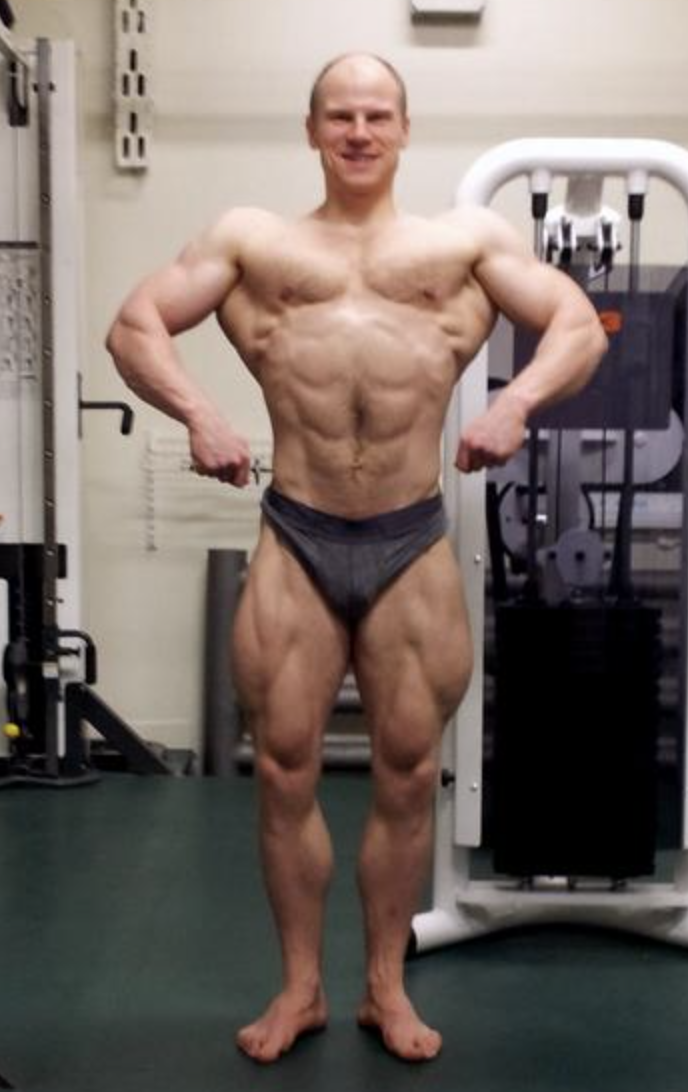
Mikk Raudsepp is at the center of this story for a very specific reason: Mikk’s leg muscles stood out in junior bodybuilding even when the stage was already full of very strong competitors. Here we look at what you can learn from one pre-contest workout, posing practice and polishing a free routine.
Mikk Raudsepp and the background to SKT part 13
In SKT part 13, the one in handcuffs is Mikk Raudsepp, the most successful bodybuilder in the junior class in recent years. This was not just an easy workout in front of a camera. The video was filmed right before Mikk’s performance at the Junior World Championships in Turkey, a time when every detail counts: shape, muscle dryness, how you feel and the ability to stay calm on stage.
Mikk has won the IV Estonian Championships in the junior overall category. A result like that doesn’t come from good genetics alone. In bodybuilding, rapid early progress can create a false sense of security, but stage condition demands far more: repeated work, a precise rhythm and the ability to do hard things even when you have less energy than in a normal training week.
Honestly, the pre-contest period is where an athlete’s real level shows. In the gym, anyone can knock out a heavy set on a good day. Holding technique, effort and focus when the body is worn down by dieting and there is little time left before the stage is a different matter entirely.
Why Mikk Raudsepp’s legs stood out
Mikk’s trump card in bodybuilding competitions has undoubtedly been the leg muscles. That matters because in bodybuilding a big upper body is not enough. If the thighs, glutes, calves and the overall balance of the physique don’t match up, the stage picture stays incomplete. Good leg development gives the body a powerful base and makes posing more confident, too.
Leg training is an uncomfortable subject for many. It tires you quickly, your heart rate climbs and at the end of a set you can’t simply help yourself along with your arms or shoulders. That is exactly why consistent leg work separates the hobbyist from the competitor. A simple truth: legs show how much an athlete is ready to really push themselves.
In the video, it’s worth watching not only the exercises but also the attitude. Before a contest, the goal is no longer just to beat yourself empty in the gym. It’s smarter to keep movements clean, the feel strong and the risk of injury low. Once the physique has been built, it has to be maintained wisely all the way to the stage.
How leg training works before a contest
Pre-contest leg training differs from a regular workout in a bulking phase. At other times the goal may be adding weight and building new muscle mass. As the stage approaches, the picture becomes more nuanced. The athlete has to preserve muscle fullness, keep the nervous system fresh and avoid foolish risks.
So what actually happens? The exercises may be familiar, but how you perform them becomes more important. Squats, presses, leg extensions and leg curls aren’t just about chasing numbers. Every repetition has to land in the right place. The front of the thigh, the back of the thigh and the glutes have to work so that the stage shows not just size but also shape.
At the junior level this is especially exciting. A young athlete may have enormous drive, but experience teaches when to push and when to hold back. In this video, Mikk Raudsepp was already an athlete with a clear direction. Mikk wasn’t training just for the sake of training. Everything served stage condition.
Posing isn’t an add-on, it’s part of your physique
In addition to regular training, the viewer also sees pre-contest posing and free routine practice. Hobbyists often overlook this part. In reality, bad posing can hide a good physique, while a skillful stage presentation brings out strengths better.
Posing is tiring. It demands muscle tension, breath control and the courage to stand confidently in front of an audience. If the legs are strong but the athlete can’t show them on stage, part of the work done disappears. That is why practicing the free routine is as practical a job for a competitor as any set in the gym.
Mikk Raudsepp: what to notice as a viewer
This video is worth watching calmly. Don’t look only for one secret exercise that makes legs big. There is no such thing. Look at the whole picture instead: how the athlete moves, with what control the exercises are done and how the training connects to preparing for the stage.
If you train yourself, you can take away three simple ideas. First, legs need consistent work. Second, technique and feel matter most when fatigue builds up. Third, bodybuilding doesn’t end at the gym door. On stage, you have to know how to make your work visible.
Enjoy watching!
FAQ
Why were Mikk Raudsepp’s leg muscles such an important topic?
Because Mikk’s leg muscles were one clear strength at competitions. In bodybuilding, a strong lower body gives the whole stage picture balance and makes an athlete’s physique more convincing.
Does pre-contest leg training always have to be very heavy?
Not always. Before a contest, control, feel and maintaining your condition count for more. Too much risk or careless effort can do more harm than good.
What does practicing posing give you?
Posing helps you show your muscles from a better angle on stage. It teaches you to control your body and makes your performance more confident.
Author: FitnessTV
Source:Turg.Fitness.ee
Come and train! ArtGym