
In brief:
- Oranges contain 53 mg of vitamin C per 100 g, which supports immune function and collagen synthesis.
- Potassium (181 mg/100 g) helps restore the electrolyte balance lost during training.
- Orange recipes are quick to make and suit both before and after your workout.
- Eating a whole orange is more nutritious than drinking juice alone, because the dietary fiber is retained.
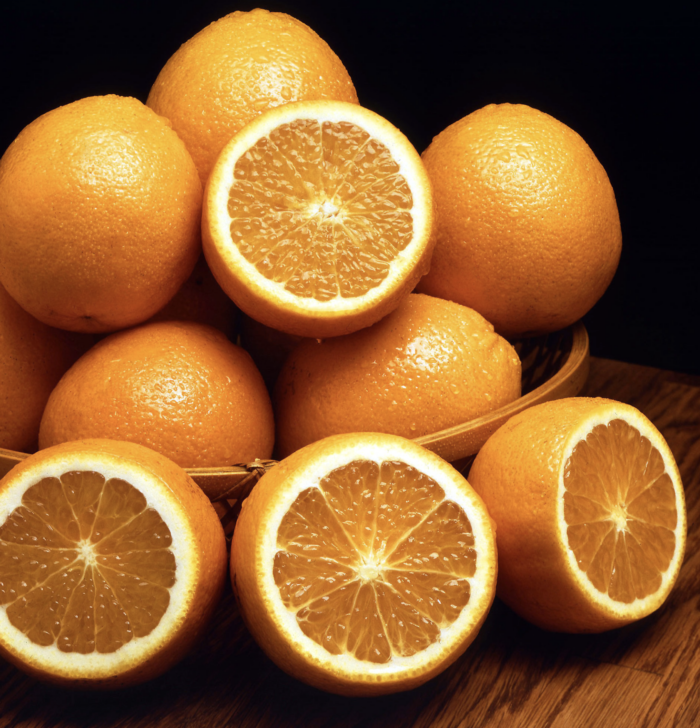
Orange recipes are often underrated in an athlete’s kitchen — citrus fruit is affordable, easy to find and exceptionally nutrient-rich. The combination of vitamin C, potassium and natural sugars makes oranges suitable both as a pre-workout energy source and as a recovery food. The following overview draws on evidence-based data and offers simple recipe ideas for every active person.
Why are orange recipes good for athletes?
Oranges are among the most nutrient-dense citrus fruits athletes can add to their diet. According to the TAI nutrition database, 100 grams of fresh orange contains approximately 53 mg of vitamin C, 181 mg of potassium and 47 kcal of energy (TAI, 2023). Vitamin C is an important antioxidant that takes part in collagen synthesis and supports immune function — both critical for athletes (Carr, 2017).
EFSA has set the recommended daily intake of vitamin C for adults at 110 mg (EFSA, 2013). Two medium oranges cover more than half of that amount. The Supplements for athletes article explains when it makes sense to consider supplementing micronutrients in addition to food.
The antioxidants and flavonoids found in oranges support anti-inflammatory processes, which matter for muscle recovery (Peternelj, 2011).
Which orange recipes suit pre-workout preparation?
Before training, the body needs easily absorbed carbohydrates and electrolytes. Here are two practical recipe ideas.
1. Orange smoothie with whey protein
Ingredients (1 serving):
– 1 large orange (peeled, cut into pieces)
– 150 ml low-fat yogurt
– 1 scoop (25 g) whey protein
– 100 ml water
Preparation: Blend everything until smooth. Drink 30–60 minutes before your workout.
Approximate nutritional value: ~280 kcal, 25 g protein, 32 g carbohydrates.
2. Orange energy balls
Similar to the CARROT DISHES: Simple peanut bars recipe, you can also make quick energy balls with orange, which work as a snack 1–2 hours before your workout.
Ingredients (12 balls):
– 150 g oat flakes
– 3 tbsp honey
– 2 tbsp peanut butter
– Grated zest and juice of 1 orange (~60 ml)
– 30 g dark chocolate (optional)
Preparation: Mix all the ingredients, shape ~30 g balls with wet hands and keep them in the fridge for at least 1 hour.
Approximate nutritional value per ball: ~95 kcal, 3 g protein, 15 g carbohydrates.
How to use oranges for recovery after training?
After a workout, the body needs to replenish glycogen stores, start repairing muscle and restore electrolyte balance — oranges support all three.
3. Orange electrolyte drink with coconut water
Ingredients (1 serving):
– 200 ml freshly squeezed orange juice (~2 oranges)
– 200 ml coconut water
– A pinch of table salt
– 1 tsp honey
Preparation: Mix everything and drink within 30 minutes after your workout. The combination provides natural potassium and sodium, the electrolytes lost in the greatest amounts through sweat.
4. Orange juice pancakes
If you have tried the Simple gluten-free pancakes recipe, add 3 tbsp of fresh orange juice and a little grated orange zest to the batter — it gives a citrusy flavor note and adds vitamin C. The pancakes also work as a recovery meal after a morning workout.
What is the exact nutritional value of an orange from an athlete’s perspective?
According to the TAI nutrition database (TAI, 2023), 100 g of fresh orange contains the following nutrients:
| Nutrient | Amount per 100 g | Share of EFSA recommended daily intake |
|---|---|---|
| Energy | 47 kcal | ~2% |
| Carbohydrates | 11.8 g | — |
| Vitamin C | 53 mg | ~48% (EFSA: 110 mg/day) |
| Potassium | 181 mg | ~5% (EFSA: 3500 mg/day) |
| Folate | 30 µg | ~15% (EFSA: 200 µg/day) |
| Dietary fiber | 2.4 g | ~10% |
It is worth noting that when orange juice is squeezed, the fruit loses much of its dietary fiber but retains most of its vitamin C. Eating a whole orange is therefore more nutritious.
Potassium is an important electrolyte, and adequate intake supports normal muscle function and blood pressure (EFSA, 2016). Oranges are one of the most natural sources of potassium in everyday food. See also Robocop recipes with Tai Kane products, which offers more inspiration for preparing simple, nutritious dishes with a variety of ingredients.
References
- TAI nutrition database. (2023). Nutrient content of foods. National Institute for Health Development. Available at: tai.ee
- Carr AC, Maggini S. (2017). Vitamin C and Immune Function. Nutrients. 9(11):1211. PMID: 29099763
- Peternelj TT, Coombes JS. (2011). Antioxidant supplementation during exercise training: beneficial or detrimental? Sports Med. 41(12):1043–69. PMID: 21380946
- EFSA Panel on Dietetic Products, Nutrition and Allergies (NDA). (2013). Scientific Opinion on Dietary Reference Values for vitamin C. EFSA Journal. 11(11):3418. DOI: 10.2903/j.efsa.2013.3418
- EFSA Panel on Dietetic Products, Nutrition and Allergies (NDA). (2016). Dietary reference values for potassium. EFSA Journal. 14(10):e04592. DOI: 10.2903/j.efsa.2016.4592
Frequently asked questions
How many oranges can an athlete eat per day?
In general, 1–3 medium oranges a day suit most athletes. That amount covers a large share of the daily vitamin C requirement (EFSA recommendation: 110 mg/day for adults) without excessive calories or fructose.
Is orange juice suitable as a training drink?
Freshly squeezed orange juice is a good source of quick energy and electrolytes after training, but it contains little dietary fiber and protein. For the best recovery effect, combine the juice with coconut water and add a protein source such as yogurt or whey protein.
When is the best time to eat an orange: before or after training?
Both times have their advantages. Before a workout, an orange provides quick energy and electrolytes. After a workout, vitamin C supports recovery and immune function (Carr, 2017).
Are orange recipes suitable for a gluten-intolerant athlete?
Yes, oranges are naturally gluten-free. The orange smoothie and the electrolyte drink are suitable for everyone with no restrictions. For pancakes, use gluten-free flour and mix the orange juice in.
Does the vitamin C in orange juice survive after squeezing?
Most of the vitamin C is retained in freshly squeezed juice during the first 30 minutes. When exposed to air, light and heat, vitamin C breaks down, so it is best to drink the juice as soon as possible after squeezing.
You can find modern supplements here: https://turg.fitness.ee/et
Let’s get training! ArtGym




