Protein ice cream: a healthy post-workout treat
Protein ice cream is a cross between ice cream and protein powder, offering the same post-workout pleasure as regular ice cream, but with considerably less sugar and much more protein. A tub often provides 20+ grams of protein, with a calorie count frequently around a quarter of that of regular ice cream.
Below, I explain what protein ice cream actually contains, how to choose a good option from the supermarket shelf, and when to eat it to support your training.
What is protein ice cream, and why does it work?
Regular ice cream consists mainly of sugar, cream, and air. Protein ice cream swaps much of that sugar for whey protein isolate, while xylitol or another polyol often replaces sugar as the sweetener. The result still tastes sweet and has a creamy texture, but its nutritional profile is radically different.
The simple truth is that after a hard workout, your body needs protein to begin muscle fiber recovery. If you also want that protein to satisfy one of your sweet cravings for the day, getting 20 grams of whey protein from a tub of ice cream is one of the most convenient ways to do it. Especially on a hot summer day when a protein shake does not sound appealing at all.
How to choose a good protein ice cream
The labels look similar, but the contents vary considerably. Here is what I look for when comparing tubs in a shop:
- Protein per tub — anything below 15 g does not deserve the “protein” label. A good option provides 18–25 g.
- Added sugar — aim for zero or a couple of grams. If you spot “syrup” or “fructose”, put it back.
- Sweetener — xylitol and erythritol are common on the Estonian market and relatively easy on digestion. Sucralose works too, but some people notice an aftertaste.
- Fat content — low-fat options (3–5 g/100 g) keep calories down. Plant-based ice creams made with coconut oil are richer.
- Allergens and intolerances — most are gluten-free, but they are not always lactose-free. If whey protein makes you feel unwell, look for a plant-based option with pea protein.
British brand WheyHey was one of the first widely available options: creamy chocolate, vanilla, and strawberry flavors, sweetened with xylitol, with 22 grams of protein and around 165 kcal per 150 ml tub. Several similar brands are now on shelves in Estonia, and competition has brought prices down to a reasonable level.
When to eat protein ice cream
The most logical window is 30–60 minutes after strength training, when your body is most receptive to protein. A tub provides enough protein for a light meal — and unlike a dry chicken breast, it goes down easily even when you do not have much of an appetite.
An evening craving for something sweet is another good occasion. One 150 ml tub of ice cream with 165 calories and 22 g of protein fits into a sensible day’s eating, even during a cutting phase. Honestly, if it keeps you away from a chocolate bar that would add 400 calories, the benefit is obvious.
What I do not recommend is that everyone who is simply trying to lose weight without exercising should swap regular ice cream for protein ice cream. Consuming 20+ g of protein beyond your daily needs will not speed up weight loss — it simply replaces another protein source.
Practical tips for eating protein ice cream
A few small things I have learned along the way:
- Take the tub out of the freezer 5–10 minutes before eating. When cold, its texture is often icier and less creamy than regular ice cream.
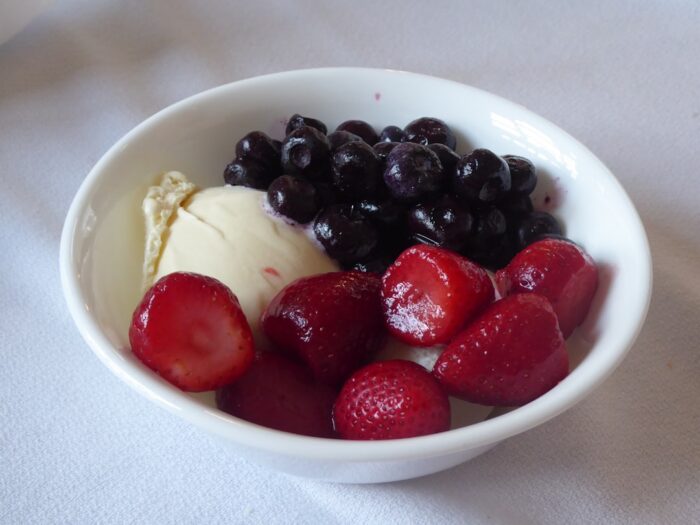
- Add a couple of berries or a small piece of dark chocolate for a contrast in flavor while keeping the extra calories reasonable.
- Keep it in a cooler bag when traveling. Unsweetened whey protein does not return to its original state easily after exposure to heat and leaves an unpleasant aftertaste.
- Stick to your daily protein powder allowance — if you add ice cream, reduce the amount of protein in your shake so you do not end up consuming more than you need.
Protein ice cream FAQ
Is protein ice cream suitable for children?
Yes, as an occasional dessert. Xylitol can cause diarrhea in large amounts, so stick to one tub at a time, rather than two in a row. If your child is predisposed to diabetes, ask your family doctor for advice.
Can you make it at home?
Yes. The simplest recipe is to freeze a ripe banana in pieces, then blend it with a spoonful of whey protein and a handful of berries. The result is not quite as creamy as the shop-bought version, but its macronutrient profile is just as good.
How much does protein ice cream cost in Estonia?
One tub usually costs around 3–5 €. That is expensive compared with a liter of regular ice cream, but in terms of protein for your money, it is a fair deal.
If you want to stay in shape throughout the season, it is worth browsing the shops to see which protein-based treats are on the shelves.
Author: Turg.Fitness.ee
Come and train! ArtGym