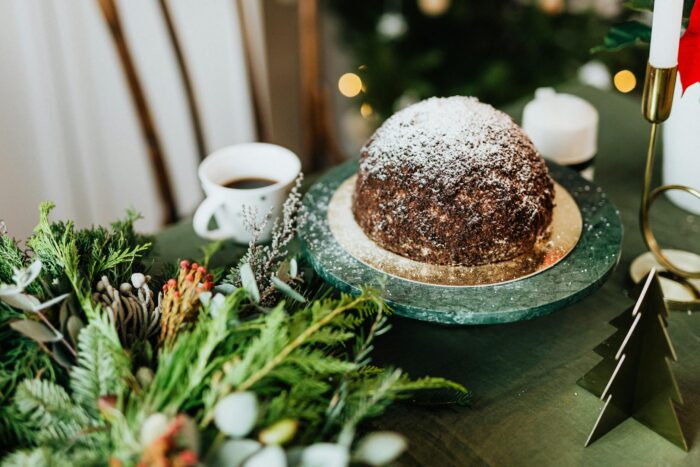
Pudding cake: a low-calorie recipe
Pudding cake is a great choice when you want something sweet but don’t want to spend the whole evening in the kitchen. This recipe keeps things simple: kefir, gelatin, Protein Pudding and a coconut flour base.
The original recipe is suitable for anyone watching their weight and is ideal for making ahead and keeping in the refrigerator. By the next day, the cake will be firm enough to slice easily.
Why does pudding cake work so well?
Some desserts taste delicious but leave you feeling weighed down. This pudding cake is different. Kefir adds a fresh tang, gelatin holds the filling together, and coconut flour gives the base a little more substance.
The simple truth is that satisfying a sweet craving doesn’t always mean making a cake with buttercream and sugar. Sometimes a chilled, set filling is all you need: it tastes like a creamy dessert but is much lighter.
Another strength of this recipe is its precise quantities. There’s no guessing as you mix. With 20g gelatin, 60g cookies-and-cream Protein Pudding, 500g kefir, 35g Cocovi coconut flour and 1 egg, you can expect a fairly reliable result.
Pudding cake: ingredients
- 20g gelatin
- 60g cookies-and-cream Pudding
- 500g kefir
- 35g Cocovi coconut flour
- 1 egg
The ingredient list is short, which is a big plus for a recipe you make at home. Once everything is laid out, the preparation goes quickly. The gelatin needs the most attention, as it determines whether the filling slices neatly or stays too soft.
How to make pudding cake
1. Make the cake base
To make the base, mix the coconut flour and egg together. Transfer the mixture to the bottom of a springform pan and press it into an even layer. Preheat the oven to 180 degrees and bake the base for 15 minutes.
The base isn’t meant to turn out like a classic sponge cake. It’s a thin, dense layer that gives the cake structure and holds together beneath the filling. Don’t let it brown too much, as coconut flour can dry out quickly.
2. Prepare the gelatin
Pour cold water into a bowl and add 20g powdered gelatin. Quickly stir the water and powder together, then leave the mixture to bloom for 10 minutes. Once the gelatin has absorbed the water, heat it in a hot water bath.
To do this, put water in a saucepan and place the container of gelatin in the water. Warm the saucepan over low heat, stirring the gelatin. Don’t let the gelatin boil, as this weakens its ability to set.
What actually happens? If the gelatin gets too hot, the cake may not set as well later. That’s why it pays to take your time. Low heat and constant stirring work better here than rushing.
3. Mix the filling and chill
Mix the Protein Pudding powder with the kefir. Then combine this mixture with the gelatin and pour it over the cake base. Place the cake in the refrigerator to set.
A useful tip is to pour the filling slowly over the base. This keeps the surface of the base intact and helps the cake turn out more even. Once the pan is filled, place it on a level surface in the refrigerator. A tilted shelf makes for a lopsided cake, which you’ll notice as soon as you slice it.
Pudding cake nutrition
100g of cake contains:
- 88.9Kcal
- 2.2g fat
- 10.9g protein
- 4.8g carbohydrate
- 2.6g dietary fiber
These figures make the recipe particularly appealing if you track your daily energy intake or want more protein from your dessert. It’s still a cake, though, rather than a main meal. A sensible portion eaten slowly works better than “taste-testing” the entire cake in one sitting.
Honestly, the biggest advantage of a cake like this is being able to prepare it ahead. Make it, refrigerate it, and the next time you crave something sweet, you won’t need to rummage through the cupboard for whatever chocolate you can find. You’ll already have something ready.
Practical tips before serving
Give the cake plenty of time to set. If you slice it too soon, the filling may still be soft. For the best results, use a sharp knife and wipe the blade clean after each cut. This will give you neater slices.
If you’d like a slightly mellower flavor, you can serve it with tart berries on the side. The recipe stays the same, but the berries add freshness. Just don’t let the accompaniments overpower the cake’s main flavor: its simple, creamy filling is the whole point.
The size of the pan matters too. A smaller pan will give you a taller pudding cake, while a larger one will make it flatter. The flavor stays the same, but the way it looks and serves will differ. If you’re making the cake for guests, choose a pan that lets you remove the slices easily.
FAQ
Does the pudding cake need a long time in the fridge?
Yes, it takes time to set. An essential step in this recipe is putting the cake in the fridge to set. Don’t rush to slice it: if you take it out of the pan too soon, it may collapse.
Why shouldn’t you let gelatin boil?
Boiling gelatin weakens its setting power. A hot water bath and low heat give better results and help the filling set more firmly.
Can you make it ahead?
Yes. That’s one of the most convenient things about this type of cake. Make the pudding cake ahead of time, keep it in the fridge and slice it when you need it.
Author: Turg.Fitness.ee
Come work out! ArtGym