The coach beside the athlete: the invisible work
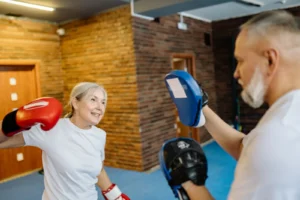
Beside an athlete, the coach is sometimes an invisible figure, even though their work is present in every step. On stage the athlete stands alone, but behind the form, the nerves and the decisions there is often a long stretch of shared work.
In the film Pumping Iron, Lou Ferrigno’s father said something along these lines: they train together, they learn posing together, and on stage he is there in spirit with his son. The applause goes to the athlete. That is how it should be. But behind that applause is also someone who helped get the moment ready.
Why does the coach so often stay in the shadows?
In sport we see the result first. We see the medal, the physique, the win or the failure. The spectator’s eye goes to the athlete, because they are the one on the field, on the stage or under the bar. The coach usually stands somewhere off to the side.
My coach Silvar has put it very aptly: “Coaching is like a dealer who’s left with nothing but fingers!” It sounds like a joke, but there is a lot of truth in it. When an athlete wins, people talk about the athlete’s strength. When things go badly, the cause is quickly sought in the coaching.
The same pattern is familiar in team sports. When the team wins, the team won. When the team loses, the coach lost. It isn’t always fair, but in sport that idea is stubbornly persistent.
A coach is not all-knowing
For a beginner, a coach is often the person who brings clarity. Do it this way. Don’t do it that way. Practice this. Eat more sensibly. Rest more. At the start you really need that kind of framework, because otherwise you get lost in the noise of information.
But the further an athlete goes, the less black and white sport becomes. Nobody can see inside another person. Nobody can fully guarantee that one program, one method or one technique will deliver a certain result. Frankly, it would be suspicious if anyone promised it.
A good coach knows a lot from experience. They know programs, methodologies, the basics of nutrition and the logic of recovery. They can explain what a 5 x 5 program means, or how to think about accessory work alongside the Smolov squat program. But even very good experience doesn’t turn a person into a fortune-teller.
This is where an old idea comes in: when one teaches, two learn. The athlete learns to know their own body and mind. The coach learns to read that same athlete. It isn’t a one-way handing out of orders, but ongoing collaboration.
How does a coach help at a high level?
At a high level, the coach’s role changes. They don’t have to say every time how many reps to do or what to put on the plate. The athlete often knows these things already. The bigger question is: can they make calm decisions in a tense moment?
When preparing for bodybuilding competitions, tension can build quickly. Your form fluctuates, emotions get amplified and every little detail seems important. Then it is very helpful to have someone beside you who knows you well enough to say: right now it’s fatigue talking, not the actual situation.
For me, Silvar is a mirror in that sense. They help me see whether my feeling really matches where I stand, or whether I’ve simply overheated from a hard preparation. They are also a “second brain” when tough choices have to be made at a time when my own head isn’t at its clearest.
That doesn’t mean the athlete is weak. Quite the opposite. The more is at stake, the more mental balance counts. Fears, hesitations and doubts are normal. The question is whether someone helps you work through them at the right moment.
Coach and athlete learn together
In sport there are situations that a simple formula can’t explain. For example, an athlete can go through two seasons with the same two pre-competition weeks, at exactly the same weight, form, nutrition and body fat percentage, yet look “razor-sharp” on stage one time and like “a sausage” the next.
So what actually happens? Sometimes you don’t know right away. And smart coaching dares to admit that. “I don’t know” is not a failure if it is followed by an honest analysis. Together you review sleep, stress, training load, recovery, the state of mind and everything else that could have changed the picture.
That kind of collaboration requires trust. The athlete shouldn’t expect miracles from the coach. The coach shouldn’t play the infallible one. The best work happens when both can speak honestly and look for a solution, not someone to blame.
A practical view: what should you expect from a good coach?
A good coach is not just someone who sends you a program. They ask, listen and observe. They notice when an athlete needs firmer direction and when they need calming down instead. They explain why something is being done, rather than hiding everything behind authority.
On the athlete’s side, honest feedback is just as important. If your sleep is poor, your eating is slipping or your head is empty, you need to say so. A coach can’t help with what they don’t know. A simple truth: coaching gets better when the information is honest.
It is also worth showing appreciation. Not only when the medal is around your neck. In hard weeks, in confusing moments and after a failed competition, the coach is often doing work the audience doesn’t see.
FAQ: the coach and working with the athlete
Does a coach always have to know the right answer?
No. Good coaching draws on a lot of knowledge, but it doesn’t pretend to know everything. Sometimes an honest analysis is better than a quick, confident answer that doesn’t actually hold water.
When does a coach become more of a mentor?
Usually when the athlete is already experienced and knows the basics of training. At that point, the quality of decisions, mindset and the ability to assess difficult moments with a clear head become more important.
How can an athlete make the collaboration better?
By being honest, consistent and ready to think along. A coach is not a miracle worker but a partner. The stronger the trust between you, the better the work you do together.
So, fellow athletes, let’s acknowledge our coaches, remember, respect and trust them – the people who do this work worthy of our gratitude!
Author: Janar Rückenberg
Source: Turg.Fitness.ee
Come and train! ArtGym