Nutrition and athletic performance
Nutrition is one of the most important factors determining an athlete’s results, both in the gym and in competition. Proper nutrition gives the body energy, supports muscle recovery and helps maintain an ideal weight. SportEST nutrition expert Dr. Krista Veevo has put together a thorough guide that covers all of these topics in a clear, practical way.
Why nutrition matters so much for athletic success
Many athletes put everything into training but forget that the body also needs the right fuel. The greater the training load, the more precisely nutrition has to cover the body’s needs. Fatigue, poor recovery and plateaus in training are often a sign of nutrition problems — not a sign that training is too light.
Normal nutrition in a sports context means a balanced distribution of macronutrients: enough carbohydrates for energy, protein for building muscle and recovery, and fats for maintaining hormonal balance. That sounds simple, but in practice questions often come up: when to eat, what to favor before and after a workout, how to put together a sample menu that works?
Nutrition before training and competition
Your pre-workout meal directly affects how you feel during your exercises. A meal that is too big right before a workout leaves you feeling heavy; one that is too small leaves you without energy. The golden rule: have your main meal 2–3 hours before training, and a light snack if needed 30–60 minutes before.
After training, the window for muscle recovery is open — use it. The best time to eat is within the first 30–60 minutes after training: protein supports the building of muscle tissue, and carbohydrates replenish glycogen stores. If the workout is long and intense, it also makes sense to have a snack during training.
Pre-competition nutrition differs from that of a training day. On competition day, new and untested foods are avoided. It is important to stay well hydrated, because even a 4 % fluid loss can noticeably worsen performance — especially on a warm spring or summer day, when sweat evaporates faster.
Nutrition and solving weight problems
Sport and weight is a delicate subject. In some sports you have to stay within a certain weight class, in others the goal is muscle building. In both cases, rapid weight loss is a bad solution — it harms performance and increases the risk of injury.
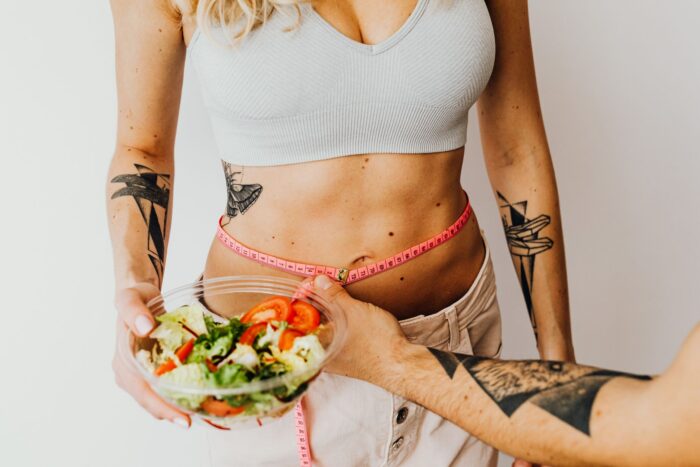
When dealing with weight problems, whether the goal is reducing excess weight or gaining body mass, it is smarter to adjust your nutrition than to resort to extreme restriction. Cutting calories too sharply exhausts the body and leads to loss of muscle tissue rather than loss of fat tissue. The best starting point is to write down your everyday diet over three days and then adjust it.
Practical advice: put together a sample menu for the week, take into account the different energy needs of training days and rest days, and watch how your body responds. Change one thing at a time — that way it is easier to see what works and what doesn’t.
Nutrition: the SportEST guide
SportEST (the Estonian Sports Medicine Cluster) has brought institutions providing core and supporting sports medicine services together under a shared mission: to improve the health of elite and youth athletes, raise the awareness of recreational athletes and develop the field of sports medicine as a whole. The guide compiled by Dr. Krista Veevo covers everything essential: the basics of normal nutrition, a sample menu, nutrition for training and competition, and weight management advice.
The material is available in Estonian and Russian:
- In Estonian: readable online
- In Russian: readable online
FAQ: nutrition and sport — frequently asked questions
How many times a day should an athlete eat?
Most experts recommend 4–6 meals a day to keep blood sugar levels stable and ensure a steady flow of nutrients to the muscles. On intensive training days the number of meals can be higher — the body’s needs grow along with the training load.
Do you need to drink extra during training?
Yes. During training, the body loses fluid and electrolytes through sweating. With a light training load, water is enough. For longer or more intense training, a drink containing electrolytes is also useful. After training, check the color of your urine: light yellow indicates adequate hydration.
How do you put together a simple sample menu for an athlete?
Start with what you already eat — write down three days of meals and see where the gaps are. A general pattern: oats and eggs for breakfast, rice or potatoes with meat or legumes and vegetables for lunch, a snack before your workout in the afternoon, and protein and vegetables for dinner. The goal is consistency, not perfection.
Author: Turg.Fitness.ee
Come and work out! ArtGym