
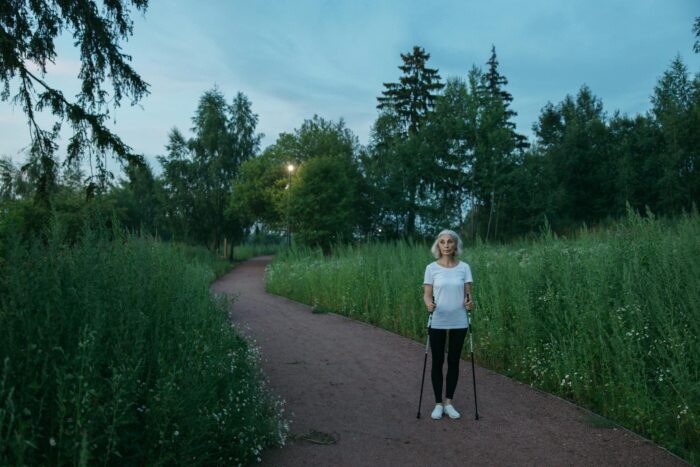
Walking: a simple way to better health
Walking is one of the first things we learn – and one of the best things we can do for our bodies. Yet these days, we move less and less: cars, buses and elevators take us from place to place before we even give it a thought. It is worth reminding ourselves why walking matters, because this simple habit helps us stay fit and prevent a range of diseases.
Why walking is so important for your health
So what actually happens when you walk a little more each day? The answer is shorter than you might think: your heart will thank you.
Regular walking helps lower bad cholesterol levels and protects against heart arrhythmias. The American Heart Association’s journal has reported that people who walk more than 3 km a day significantly reduce their risk of coronary artery disease. The same study, involving people aged 70–93, found that each additional kilometer, from the third onward, reduces the risk of a heart attack by 15%.
Cardiologists agree: regular physical activity supports good circulation and helps prevent vascular disease. Walking does not have to be intense – consistency is what matters.
Different ways to walk – what suits you?
Walking is about more than just strolling along the sidewalk. This simple activity actually comes in quite a few different forms.
Hiking and nature walks are the classic choice. Estonia offers excellent opportunities: RMK hiking trails, coastal routes and woodland paths await in every county. As well as getting some exercise, you can enjoy fresh air and a moment away from the everyday bustle of the city.
Combining walking with exercises suits you if you want to make your walks a little more intense. For example, you can alternate your normal pace with brisk stretches of walking, add a few bench squats or do some stretches on the stairs. This combination helps engage more muscle groups and keep you in good shape.
Honestly, even an ordinary evening walk after work, with no particular plan, absolutely counts. What matters is that you move.
Practical walking tips for beginners
You do not have to run a marathon straight away. A few simple habits are all you need to get started with walking:
- Start with 20–30 minutes a day. If that feels easy, increase it to 45 minutes.
- Choose comfortable shoes – this really matters, especially on longer routes.
- Try to walk at a set time: in the morning before work or in the evening after a meal – a routine helps the habit stick.
- Use a step-counting app: 7,000–10,000 steps a day is a good target for most adults.
- In autumn and winter, take something reflective with you – Estonia has plenty of hours of low light, and visibility matters.
If you live in a city, try getting off the bus one stop early or parking farther away. Over a week, these small changes add up to a substantial amount of extra movement.
FAQ: walking and health
How much should I walk each day to see noticeable health benefits?
Research suggests that 3 km a day is enough to reduce the risk of cardiovascular disease. A daily walk lasting 30–45 minutes works well for most people.
Does walking help with weight loss too?
Walking alone is not the fastest method of weight loss, but combined with a sensible diet, it helps keep your weight under control. Regular walking also improves your metabolism and mood.
What is the best time of day to walk?
Whatever time suits you. A morning walk helps you start the day feeling energized; an evening walk gives you a chance to unwind after work. The health benefits are similar at either time.
Put on your tracksuit and get walking – that is how exercising for your health begins!
Come walking! ArtGym
Author: dynamic-ep.com.ar
Source: WHO – physical activity.




