Pancreatic hormones keep your blood sugar and energy levels balanced every day—whether you have just had your morning porridge or have gone hours without eating. In this article, we explore what the pancreas actually does in your body and how everyday food and physical activity can support this finely tuned system.
What pancreatic hormones do
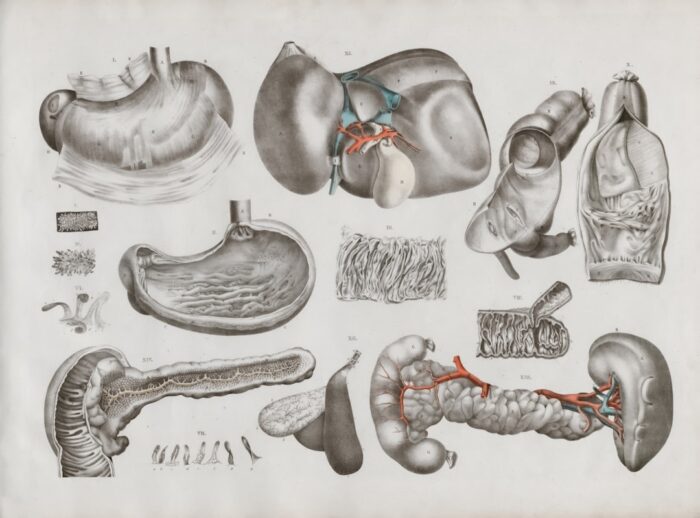
The pancreas is an organ about 15 cm long and weighing 80–100 grams, located behind the stomach against the back wall of the abdominal cavity. It has two jobs. Its exocrine function is to produce digestive juices that flow into the intestine. Its endocrine function is to release hormones directly into the blood.
Hormone-producing cells gather in small clusters called the islets of Langerhans. The pancreas contains thousands of these, each with its own mix of cell types:
- Beta cells (50–70%) produce insulin.
- Alpha cells (20–40%) produce glucagon.
- Delta cells (5–10%) produce somatostatin, which keeps the others in balance.
- PP cells (1–2%) produce pancreatic polypeptide, which affects digestion.
- Epsilon cells produce ghrelin—the hormone that makes you feel hungry.
The principle is simple: pancreatic hormones do not work in isolation. They constantly communicate to keep your blood sugar from soaring or crashing.
Insulin and glucagon—a pair with opposing roles
Insulin is the main hormone that lowers blood sugar. When you eat carbohydrates—bread, porridge or fruit—your blood sugar rises and your pancreas releases insulin. This helps glucose enter liver, muscle and fat cells. Insulin also promotes the storage of glycogen and fat while inhibiting fat breakdown. As a secondary effect, it signals to your brain that you have eaten—which is why you often feel full around half an hour after a meal.
Glucagon does exactly the opposite. It is released when your blood sugar is low—for example, at night or during a longer gap between meals. Glucagon tells the liver to release its glycogen stores into the blood, synthesize glucose from amino acids and produce ketone bodies. This supplies your body with energy even when there is nothing on your plate.
Somatostatin inhibits the production of both insulin and glucagon, keeping the system from swinging too far in either direction. Pancreatic polypeptide affects digestion and appetite, while ghrelin signals to your brain that it is time to eat.
Several factors regulate hormone release: blood sugar levels, the amount of amino acids in the blood, hormones produced by the digestive tract itself (gastrin, secretin and cholecystokinin), and the nervous system. In stressful situations, the sympathetic nervous system inhibits insulin release—which is why your blood sugar can be higher when you are under stress than when you are relaxed.
Pancreatic hormones and nutrition
What matters most is a regular eating pattern, rather than any particular superfood. Regular meals keep blood sugar stable and spare the pancreas large insulin spikes.
- Foods rich in dietary fiber—whole grains, vegetables, fruit and legumes—slow glucose absorption and make the rise in insulin more gradual.
- Protein at every meal helps you feel full for longer and reduces the urge to snack.
- Healthy fats from olive oil, nuts and oily fish support hormone function and help you feel full.
- Foods worth avoiding include heavily processed foods and sugary drinks—they cause a sharp rise in blood sugar followed by an equally sharp drop.
Really, you do not need to eat anything exotic. Everyday Estonian staples—potatoes, fish, sauerkraut, bread and greens—do the job perfectly well, as long as portions are sensible and snacking does not mean eating sweets every two hours.
Pancreatic hormones and physical activity
Physical activity is insulin’s best friend. During exercise, your muscles take up glucose even when there is little insulin in your blood—they simply open their doors through another route. This means regular physical activity improves your cells’ sensitivity to insulin and reduces the workload on your pancreas.
The good news is that you do not have to be an athlete. A ten- to fifteen-minute walk after lunch noticeably lowers blood sugar. Swimming, cycling and strength training have an even greater effect, because muscle mass itself uses a lot of glucose—the more active muscle tissue you have, the steadier your blood sugar curve.
Longer gaps between meals and avoiding eating in the evening activate glucagon and ketone body production. This teaches your body to use its energy reserves more flexibly. Sleep and stress also deserve attention: chronic stress and sleep debt raise cortisol levels, which in turn weaken insulin’s effects.
FAQ
Does insulin make you fat?
Insulin itself does not make you fat—an energy surplus does. Insulin is simply a hormone that helps glucose from food reach your cells. If you eat more energy than you burn, your body stores the surplus as fat, and insulin plays a part in that process. The solution is to keep your diet and physical activity in balance, rather than trying to avoid insulin.
What is the difference between hypoglycemia and hyperglycemia?
Hypoglycemia means blood sugar is too low—symptoms include shaking, dizziness, feeling unwell and, in extreme cases, loss of consciousness. Hyperglycemia, by contrast, means high blood sugar, which damages blood vessels, kidneys and eyes over time. A healthy pancreas prevents both dangers.
Is fasting good for your pancreas?
A moderate break from eating—for example, 12–14 hours between dinner and breakfast—gives your pancreas a rest and activates glucagon. This is beneficial for most healthy people. Longer fasts, however, are only suitable if you do not have diabetes, are not pregnant and have no other conditions that would make blood sugar fluctuations dangerous. If you are unsure, consult your family doctor.
Come work out! ArtGym