
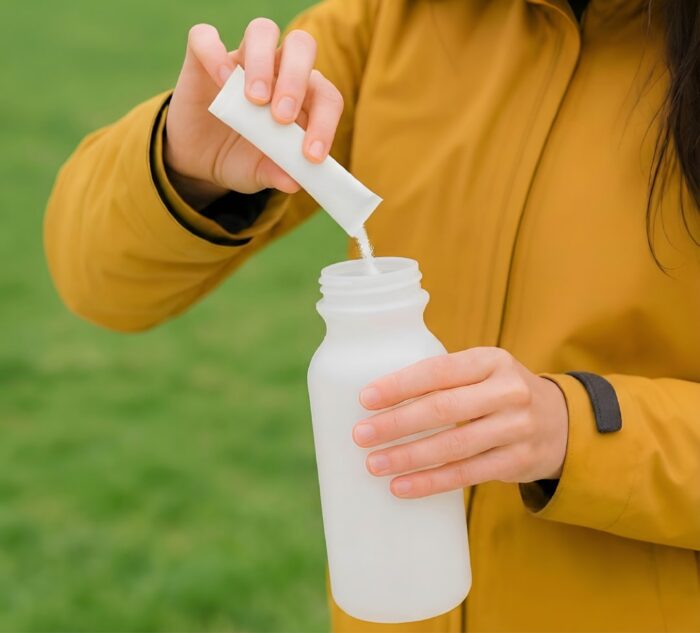
Supplements: when do you actually need them?
The world of supplements has grown enormous – protein, creatine, fat burners, “testosterone boosters”, vitamins and minerals. The ads promise fast gains and better recovery. The truth, though, is simple: supplements don’t replace food or training.
You only need them when your nutrition and lifestyle don’t cover your body’s requirements. That said, supplements used correctly can genuinely support muscle building as well as recovery and longevity.
🧠 Why and when do you need supplements at all?
If you eat a varied diet, get enough protein, vegetables, fats and whole grains, and rest enough, your body’s needs are generally covered.
Still, in Estonia and among people with an active lifestyle there are several situations where using supplements is justified and even necessary.
💪 The core supplements whose use is backed by science
Vitamin D
There is little sunlight in Estonia – from October to April your skin doesn’t get enough UVB radiation to produce vitamin D.
This vitamin supports immunity, hormone production, mood and even muscle strength.
👉 Recommendation: 25–50 µg a day (1000–2000 IU).
Get it checked with a blood test once a year (recommended level 75–125 nmol/l).
Omega-3 fatty acids (EPA and DHA)
If you eat little oily fish, a deficiency can develop. Omega-3 supports the heart, joints and brain, and reduces inflammation.
👉 Recommendation: 1000–2000 mg a day (EPA + DHA combined).
Whey protein
It isn’t mandatory, but it helps you reach your daily protein target, which is critical for muscle growth (1.6–2.0 g/kg of body weight).
👉 Recommendation: 25–40 g after a workout or as a quick snack.
Creatine monohydrate
The most thoroughly researched and effective supplement for strength and muscle growth. It increases strength performance, improves recovery and even boosts mental performance.
👉 Recommendation: 3–5 g a day, every day.
There’s no need for cycling or a loading phase; consistency is what matters.
Magnesium
Helps your nervous system relax, improves sleep and reduces muscle tension, especially in people who train hard.
👉 Recommendation: 300–400 mg a day (preferably as glycinate or malate).
⚙️ Other supplements to consider depending on your needs
| Supplement | Dose | When to take | What for |
|---|---|---|---|
| Multivitamin (for men/for women) | 1 tablet a day | In the morning with food | If your diet is irregular or your stress level is high. |
| Zinc (bisglycinate) | 10–25 mg a day | In the evening | Supports immunity, recovery and hormone production. |
| Ashwagandha (Withania somnifera) | 300–600 mg a day | In the evening | An adaptogen that reduces stress and may support testosterone. |
| Electrolytes (Na, K, Mg, Ca) | Depending on sweat loss | On training days | Support fluid balance and neuromuscular function. |
🧩 Personalized recommendations by age group
👦 Active 24-year-old trainee (85 kg, gym, muscle mass)
| Tier | Supplement | Dose | Timing | Main goal |
|---|---|---|---|---|
| Core | Vitamin D | 50 µg | In the morning | Immunity, hormones |
| Omega-3 | 1000–2000 mg | In the morning | Reducing inflammation | |
| Creatine | 3–5 g | Any time | Strength and muscle mass | |
| Whey protein | 25–40 g | After the workout | Recovery | |
| Magnesium | 300–400 mg | In the evening | Sleep, muscles | |
| Additional | Multivitamin | 1 tablet | In the morning | General support |
| Zinc | 10–25 mg | In the evening | Hormonal support | |
| Ashwagandha | 300–600 mg | In the evening | Stress reduction |
👨🦳 Training or health-conscious people aged 50+
| Level | Supplement | Dose | Timing | Main goal |
|---|---|---|---|---|
| Core | Vitamin D | 50–75 µg | Morning | Bone strength, immunity, mood |
| Omega-3 | 1500–2500 mg | Morning | Heart and joint health | |
| Creatine | 3–5 g | Any time | Maintaining muscle mass, strength, brain function | |
| Whey protein / Collagen + vitamin C | 25–30 g | After your workout | Muscle and connective tissue support | |
| Magnesium | 300–400 mg | Evening | Sleep, nervous system | |
| Extra | Coenzyme Q10 (ubiquinone) | 100 mg | Morning | Heart health and energy metabolism |
| Curcumin + black pepper | 500 mg | During the day | Anti-inflammatory and joint support | |
| B-complex | 1 tablet | Morning | Nervous system and energy support | |
| Probiotics | In courses | Morning, on an empty stomach | Digestion, immunity |
🧬 If you’re aiming for longevity and cellular health
Add these thoughtfully:
- CoQ10 (ubiquinone) – 100 mg a day (energy metabolism, heart)
- NAC (N-acetylcysteine) – 500 mg a day (liver and antioxidants)
- Curcumin + black pepper – 500 mg a day (anti-inflammatory)
- B-complex – nervous system and energy production
🩺 Blood tests worth doing once a year
- 25(OH)D (vitamin D level)
- Ferritin (iron stores)
- Vitamin B12
- Testosterone (free and total)
- CRP (inflammation marker)
- Omega-3 index
These help you judge whether a supplement is truly necessary and avoid overdosing.
✅ Summary
Supplements won’t work miracles, but they can be a precise tool at the right moment and in the right dose.
In Estonia’s climate, vitamin D and omega-3 are needed by almost everyone.
For a younger person with training goals, the practical choices are creatine, whey protein and magnesium,
while at 50+ the focus shifts to supporting the heart, joints and cellular energy metabolism (e.g. CoQ10, collagen, curcumin).
Used correctly, they can support muscle growth, recovery and longevity alike — exactly what a well-informed trainee is looking for.
Come and train! ArtGym




