
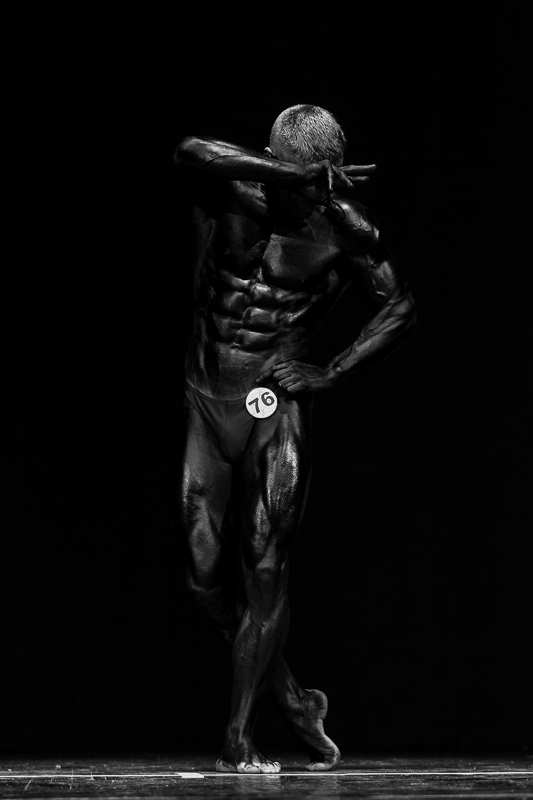
Ab myths are the most persistent form of misinformation in the gym world. Every spring, as summer approaches, the same questions crop up: how many sit-ups a day, with or without weights, and will a fat burner help? The short answer: most of the advice your friends share at the gym doesn’t hold up. Let’s examine seven common misconceptions and talk about what actually works.
Why ab myths are so persistent
Your abs are the most visible muscle group. That’s why people look for quick fixes for them — longer workouts, harder sit-ups, a dedicated fat burner. Yet the mechanics are simple: everyone has abdominal muscles, but they only show when body fat percentage is low. The rest is detail.
Below, we’ll work through all seven myths in reverse order — from seventh to first, as in the original.
A closer look at 7 common ab myths
7. I need to train my abs for hours
You don’t. Long sessions do nothing extra for your abs — they’re more likely to lead to overtraining and ruin your next strength training session. Your entire ab routine can take less than 20 minutes: a couple of challenging exercises, good form and short rests. That’s enough.
6. A fat burner will get rid of my “spare tire”
Spot reduction doesn’t exist. No pill lets you choose where you lose fat — your body burns its reserves evenly across the body, with genetics dictating the order. The best “fat burner” is your kitchen: a small calorie deficit, fewer empty-calorie carbohydrates and more protein. Saving on your food bill by skipping a couple of cakes a week does more than the most expensive tub.
5. I need to go on a strict diet
A strict diet rarely lasts longer than a month. What works in the long term: less salt, less added sugar, moderate fat intake, plenty of water and a sensible calorie intake. There are no bad foods — just the wrong amounts. If you eat clean during the week and allow yourself one favorite food at the weekend, you’ll stick to your plan longer than you would on a diet of rabbit food.
4. Adding weights to ab workouts reveals a six-pack faster
Adding weights makes the muscle stronger, but your abs don’t grow the way your thighs or chest muscles do. Whether your six-pack shows depends almost entirely on the thickness of the fat layer. If your body fat percentage is high, holding a 20-kilo plate during sit-ups won’t change anything. Get your form right and focus on what you eat.
3. Training burns off all the fat I eat
Honestly, most workouts don’t burn even half the calories you consume in a day. An hour-long gym session typically burns 300–500 kcal, the equivalent of one fast-food burger. The remaining energy is stored. If your goal is a leaner body, what you eat is the deciding factor, rather than the time on the exercise machine’s display.
2. Sit-ups are bad for your back
Not necessarily. A classic sit-up through a full range of motion puts strain on your lower back, but you don’t have to do it. The crunch variation — shoulders lifted partway off the floor, knees bent and lower back pressed against the floor — puts the same tension on your abs without placing excessive pressure on your back. With proper form, the exercise is completely safe.
1. Hundreds of sit-ups a day will give me a flat stomach
The simple truth: you could do 200 sit-ups a minute and still not see your six-pack. Your abs only show once the fat around your stomach is gone. Training builds the muscle, but the kitchen makes it visible.
How ab myths lead your training astray
If you believe the problem is the number of exercises you do, you’ll keep adding more volume and wonder why you’re not seeing results. A realistic plan looks different:
- 2–3 short ab workouts a week, each lasting 10–15 minutes.
- Keep your calorie intake across the week in a small deficit (about 300–500 kcal below maintenance).
- Eat 1.6–2 g of protein per kilo of body weight — this preserves muscle and keeps you feeling full.
- Get at least 7 hours of sleep. Poor sleep raises levels of the hunger hormone.
- Be patient for 8–12 weeks. Your stomach won’t change in two weeks, whatever Instagram promises.
Frequently asked questions about abs
How often should you train your abs?
2–3 times a week is plenty. Training your abs every day doesn’t give the muscles time to recover, making it less effective, rather than more.
Is the plank better than sit-ups?
The plank trains your deep core muscles and stabilizers, while sit-ups train your rectus abdominis. Combine both — it’s a more complete approach than relying on just one.
At what body fat percentage does a six-pack show?
Around 10–12% for men and 18–20% for women. These are guideline figures — genetics can shift the threshold a couple of percentage points in either direction.
Come train with us! ArtGym




