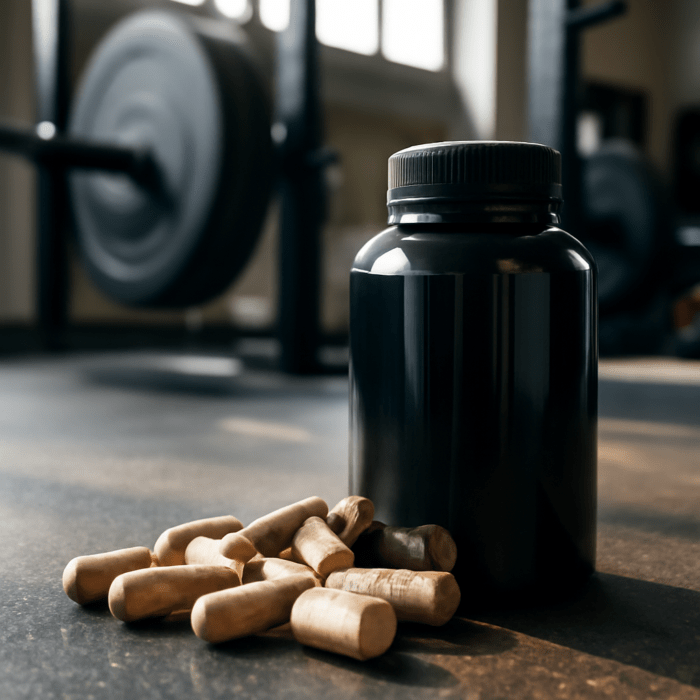
Alpha-lipoic acid: the role of ALA in the gym
Alpha-lipoic acid, or ALA, is one of those supplements that gets talked about less in the gym than creatine or protein powder, but it is well worth a closer look. Here we go through, in plain language, what this compound is, why it is valued as an antioxidant and why blood sugar can matter to anyone who trains.
What is alpha-lipoic acid and why does it matter?
If you are a bodybuilder, a gym-goer or simply an athlete, you have probably already heard the term alpha-lipoic acid before. Many people know the name, but not what the compound actually does in the body.
The simple truth: alpha-lipoic acid is an antioxidant. What sets it apart is that it dissolves in both water and fat. That means it can work in places that not every antioxidant can reach. The body uses it in energy production and in defending against oxidative stress.
The original text compared the role of ALA to that of coenzyme Q10. The idea is easy to follow: some compounds help others do their job better in the body. Alpha-lipoic acid is not just another random supplement on the shelf. It is involved in how cells use energy and how the body copes with free radicals.
It is important not to oversell it, though. ALA does not replace good nutrition, sleep or a training plan. If your menu is haphazard and your workouts are irregular, no capsule will work miracles. But alongside a solid routine, it can be an extra tool.
Alpha-lipoic acid and its possible benefits
The main strength of ALA is its antioxidant action. It helps fight free radicals and also supports the work of other antioxidants. Because it works in both water-soluble and fat-soluble environments, it can help protect cell membranes and lipoproteins.
In practical terms, this means the body can cope better with training load, recovery and the pressure on metabolism. It does not sound as dazzling as an advertising slogan, but it is exactly these small things that count in the long run.
The original listed the following benefits:
- 1. Improves physical fitness
- 2. Fights free radicals
- 3. Protects your genetic code
- 4. Slows aging
- 5. Protects against heart disease
- 6. Keeps skin healthy
- 7. Protects the liver
- 8. Regulates blood sugar levels
For the gym-goer, the most interesting of these is usually the last point: blood sugar. A more stable blood sugar level helps maintain energy, reduce sudden cravings and support fat burning. Honestly, for many people this is a far more practical topic than abstract talk about protecting cells.
How can ALA influence the movement of nutrients?
So what actually happens after you eat? Especially after a meal that is higher in carbohydrates?
- 1. You eat food
- 2. Carbohydrates are converted into glucose
- 3. The pancreas releases insulin to send glucose to the muscle cells, provided that the liver’s glycogen stores are full. Once the muscle cells are full, the remaining glucose goes to the fat cells.
This is where ALA comes into play. The original text described it as an insulin-like effect. The idea is that ALA may help glucose move into muscle cells more efficiently. By the same logic, it is often mentioned in connection with the transport of amino acids and creatine.
The original stated that some studies claim an increase of 50-60 % in the amount of glucose directed into muscle cells. This figure should not be taken as a promise that every person will experience exactly the same result. The body does not work in such a straight line. But the direction is interesting: better glucose utilization could be useful for both training and body composition.
The original example was simple: if you ate 100gr of carbohydrates without ALA, 40gr of the glucose went to the muscle cells and 60gr to the fat cells. With ALA, the possibility was presented of sending 60gr of glucose to the muscle cells and only 40gr to the fat cells. This is a simplified example, not an exact formula, but it helps to grasp the idea.
If glucose uptake improves, the following advantages may come with it:
- 1. Better pump
- 2. Less fat storage
- 3. Increased amino acid transport
- 4. Improved insulin sensitivity
All of this creates better conditions for muscle growth. Not on its own, but together with training, protein intake, sleep and overall energy balance.
Alpha-lipoic acid: what to watch before you use it
First: don’t use ALA as an excuse for a poor diet. If you eat haphazardly, keep your protein low and sleep too little, alpha-lipoic acid won’t save your results. It can support the fundamentals, not replace them.
Second: if you have health concerns related to blood sugar or you take medication, it’s worth talking to your doctor before adding ALA. Because the topic touches on glucose and insulin sensitivity, this is not an area for casual trial and error.
Third: pay attention to how you feel. For some people, ALA works well alongside a carbohydrate-rich meal. For others, the difference may not be noticeable. With supplements, it makes sense to keep your expectations sober and see whether anything actually improves in real life.
All in all, alpha-lipoic acid is not just another antioxidant. Its value comes from the way it links antioxidant action with blood sugar metabolism. If your training and nutrition are already in place, ALA may be a supplement worth considering.
FAQ: alpha-lipoic acid
Is alpha-lipoic acid only for bodybuilders?
No. Bodybuilders and gym-goers tend to be more interested in it because they care about how nutrients move into muscle cells. But the topic of ALA is broader, covering antioxidants, energy production and blood sugar levels.
Does ALA help burn fat?
Indirectly, it may help if your blood sugar level stays more stable and your body uses glucose better. Still, the foundation of fat loss is energy balance, not a single supplement.
Does alpha-lipoic acid replace healthy nutrition?
No, it doesn’t. It can be an additional support, but your results are still determined by training, food, sleep and consistency.
Author: Peep Reinart
Come and train! ArtGym