Body sculpting: shaping your body the smart way
Body sculpting is the deliberate shaping of your body through training, nutrition and recovery. The goal isn’t simply bigger muscles, but better proportions, clearer muscle definition and a body that moves well.
A simple truth: a great physique doesn’t come from one miracle plan. It comes from doing the right things for long enough, and keeping a level head even when the mirror doesn’t give you a new answer every day.
Why does body sculpting matter at all?
The word may sound grand, but the idea is simple. Body sculpting means you don’t train your body at random. You look at the whole picture: shoulders, back, chest, legs, core, posture and muscle balance. If one area gets all the attention and another gets left behind, the result won’t look harmonious.
Many people start training because they want to look better. That’s an honest reason. But it quickly becomes clear that looks alone aren’t enough. If your sleep is poor, your food is haphazard and your body aches from every direction, your motivation won’t last long either.
A sculpted physique doesn’t mean starving yourself or checking your measurements in the mirror every day. It’s more about a well-thought-out rhythm. You train so that your muscles get enough training load. You eat so that your body has building material. You rest so that your next workout is better, not just heavier.
How does body sculpting work in training?
The training side starts with the basics. The exercises that shape your body the most are those that involve several joints and make a large share of your muscle mass work at once. Squats, pulls, presses, rows and lunges build a strong foundation. Alongside them come smaller exercises that let you emphasize details.
If your goal is visible muscle definition, not every workout has to be a maximal ordeal. Progression is what matters. Sometimes that means a slightly heavier weight, sometimes better technique, sometimes more control. Honestly, control is often exactly where the difference is made.
A good plan distributes the training load so that your muscles get work, but your joints and nervous system aren’t constantly being pushed past what they can recover from. For a beginner, a full-body workout or a simple upper/lower split often works well. An advanced lifter can use a more detailed split, but more complicated doesn’t automatically mean better.
If you’re just getting started, read our guide to how strength training helps build your body and which principles are worth following at the beginning. If technique raises questions, a personal trainer can help you get your exercises set up safely.
Nutrition isn’t a side topic
So what actually happens? Muscle needs training load, protein and energy to grow. If you eat too little, your body doesn’t recover well. If you constantly overeat, your muscles may grow, but the clarity of your shape disappears quickly. That’s why, for a sculpted body, nutrition is as practical a tool as a training log.
That doesn’t mean every bite has to be weighed. For many people, it’s enough at first that every main meal includes a protein source, the plate holds real food, and sugary drinks don’t quietly fill half of the day’s energy. Small things count, because you do them every day.
Practical tricks that keep your shape on track
The first trick is simple: choose metrics that don’t drive you crazy. Body weight is one indicator, but not the only one. Your reflection, how your clothes fit, your training weights, how rested you feel and photos often give a better picture than a single morning number.
The second trick is technique. If you want to shape your body, the work of the target muscle has to really land. A shoulder raise doesn’t have to be an ego exercise. A back row doesn’t have to turn into swinging your whole body. A slower repetition and a better feel for the movement sometimes give you more than the next plate on the bar.
The third trick is recovery. A body that doesn’t get enough sleep doesn’t build itself well. If your workouts keep getting worse, your appetite disappears or your mood is constantly short, the solution isn’t always an even harder effort. Sometimes you need to take one step back to go two steps forward.
Competitive sport is a world of its own. On the bodybuilding and fitness stage, physique is judged far more strictly than in an ordinary gym. What matters there is muscle structure, proportion, conditioning and presentation. A recreational lifter doesn’t have to live by stage rules, but can take one useful idea from them: details start to count once the main work is done.
FAQ: body sculpting
Is body sculpting suitable for beginners?
Yes, if the approach is calm. A beginner doesn’t have to start with a complicated split or a strict diet. Good technique, consistent training and nutrition that supports the goal are enough.
Which matters more, fat loss or muscle growth?
It depends on your starting point. If you have little muscle mass, it makes sense to build a stronger foundation first. If you already have enough muscle, the focus can shift to making your shape clearer. You can improve both, but with patience.
Can you manage without a trainer?
You can, especially if you learn technique and pay attention to your body’s feedback. A trainer is useful when exercises don’t feel right, progress stalls or you want to avoid mistakes you can’t spot in the mirror yourself.
Edited by: Arnold Tokko
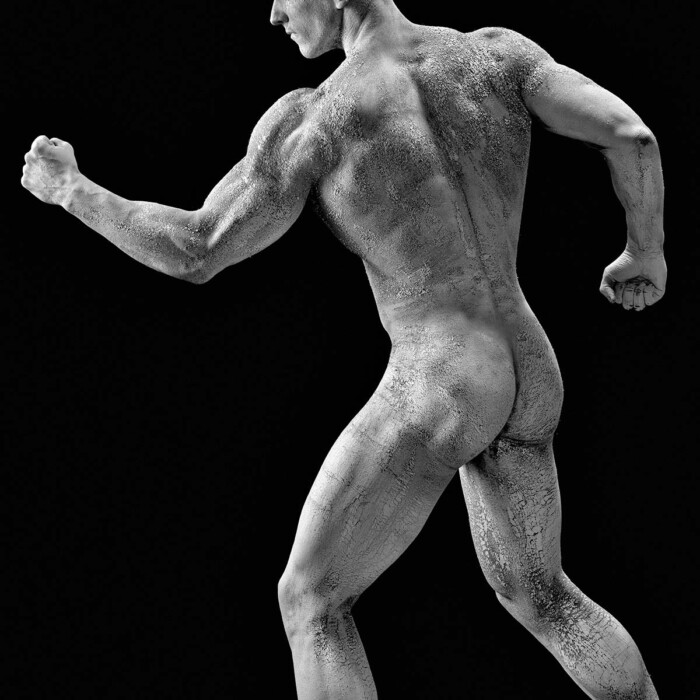
Illustrative photo: Kaupo Kikkas
Come and train! ArtGym