Running group for beginners: how to get started
The first kilometer alone on the trail can feel frighteningly long. A running group makes it easier — someone is running beside you, someone gives advice, someone notices when your pace is off. If you’ve never exercised before, or you’re coming back after a long break, starting with a group is simply more sensible than heading into the woods alone.
Why a running group suits beginners
When they start alone, most people make the same mistake: the pace is too fast, the training load is too high, and within the first couple of weeks knee pain appears or the motivation simply disappears. In a group, someone holds the pace back. An experienced instructor can see right away when a runner’s stride lands too heavily on the heel, when breathing breaks down, or when the body is signaling that walking is enough for today.
The second reason is a simple human truth: it’s harder to skip a workout when you’re part of a group. If you know someone is waiting for you in the park at half past five on Tuesday, you go. If nobody is waiting, it’s drizzling a bit today and maybe tomorrow will be a better day.
How a running group is usually structured
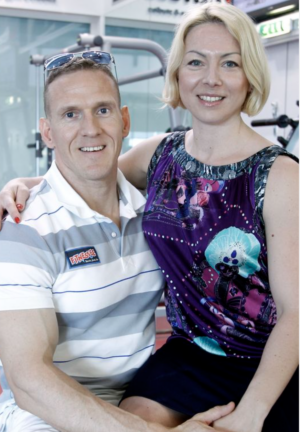
A good beginner running group doesn’t start with actual running. The first weeks are often walking and brisk walking, with a few short running stretches mixed in. Experienced coach Toomas Tarm has described this approach: first, any possible contraindications are clarified together with a sports physician, then nutrition and daily routine are reviewed, and only after that does the movement begin — at first with lighter gym training or walks in the woods, later with shorter and easier runs.
A typical beginner workout lasts an hour to an hour and a half. The first quarter is a warm-up and stretching. The main part is intervals: a couple of minutes of running, a couple of minutes of walking, repeated. It finishes with stretching and often a few strength exercises for a body that isn’t yet strong enough for running.
A realistic goal for the first year
A year is enough time for someone starting from zero to reach a distance of 10 km. According to Tarm, that is the kind of target that’s within reach for a beginner: to cover at least 10 km at next autumn’s SEB Tallinn Marathon. Some people progress faster and can already manage a half marathon, others stay a little more modest — that’s completely normal. There’s no point talking about time goals during the first year. What matters more is sparking an interest in movement and finding a rhythm you can keep up for years.
How to choose a running group for beginners
There are a few things worth asking before you sign up.
- Is the group really for beginners? Some “beginner” groups actually mean recreational runners who already run 5 km. Ask how long a typical workout is in the first month.
- Does the coach give individual attention? In a group of 30, a beginner quickly gets lost. A good group has 8–15 people or is split by level.
- Is the location manageable? A park or forest trail is much easier on the knees than asphalt. If the group only runs in the city, think twice.
- Changing room and shower. It sounds trivial, but if the workout is during the work week, you’ll have to go somewhere afterward, and that sometimes decides whether you show up.
Questions about nutrition and footwear can wait until after the first month. There’s no point buying top-end running shoes before you know whether running suits you at all. Simple sports shoes and comfortable clothes — that’s enough to start with.
FAQ
Do I need to get a doctor’s clearance first?
If you have known heart, blood pressure or joint problems, yes. If you’ve simply been inactive for a long time, a fitness health check or a short conversation with your family doctor is usually enough. A good running group will ask about this itself at the start.
Is running the best way to lose weight?
Not the only one, but one of the best when combined with nutrition changes. Running alone doesn’t make up for overeating. But the habit of moving four times a week changes your whole daily rhythm — you sleep better, eat more consciously, snack less.
What is the typical monthly fee?
Prices for beginner running groups usually fall between 30–50 euros a month. In the Kaalukate running group launched by Sparta, the monthly fee was 36 euros, and the price also included advice on choosing running shoes and clothing. The final price depends on how often the workouts take place and how personal the group is.
Author: Sparta SK
Come and train! ArtGym