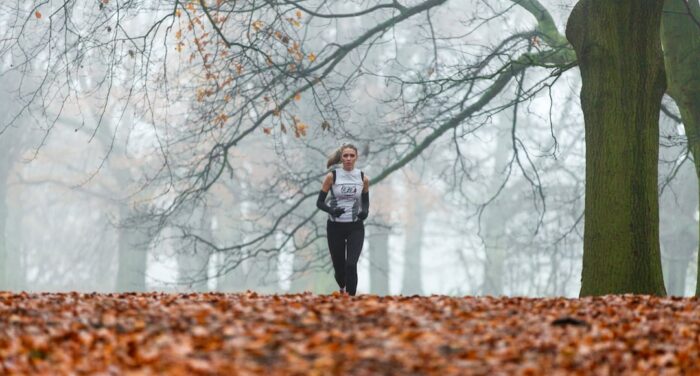
From September to November, the same story plays out every year. Your immunity gets hit from two directions: viruses are going around at school and at work, and at the same time many people are trying to get back in shape after the summer break. The result: a mild cold that drags on for a month instead of two weeks. The good news is that you can avoid this without skipping your workouts. The foundation is keeping three things in order: training load, sleep, food.
Why immunity drops in autumn
The Estonian autumn is not gentle. Daylight shrinks every week, vitamin D levels fall, and people gather indoors, where viruses spread faster. Add a couple of missed nights of sleep and an intense training plan, and your body starts making choices. Immunity isn’t a priority when the system is busy with recovery — and that’s exactly how a cold slips in through the crack.
From my own experience: every year when I go back at my old volume right away in September, I get knocked out by mid-October. When I raise the volume gradually over two to three weeks, nothing happens. The body needs a transition period, not the maximum right away.
Training and immunity: how to find the balance
Moderate training strengthens immunity — the research consensus on this goes back decades. Training that is too intense or too frequent does the opposite. The limit isn’t the same for everyone, but some signs apply to all of us.
Warning signs that your body is overloaded:
- your morning heart rate is 5–10 beats higher than usual
- your sleep is fragmented and you wake up several times in the night
- your mood is swinging and your motivation is gone
- mild cold symptoms appear — a scratchy throat, a runny nose in the morning
If two of these apply to you, take an easy week. Replace hard workouts with a walk, swimming or a relaxed gym session where the weights are about 60% of normal. This isn’t weakness — it’s what makes a long training arc possible in the first place.
Sleep and fluids as the foundations of immunity
Sleeping less than seven hours a night for several weeks in a row measurably raises your risk of getting sick. The reason is simple: it’s during sleep that the body produces most of its recovery and defense hormones. If sleep falls short, your defenses are left unfinished too. One bad night does nothing. Five bad nights in a row do a lot.
It’s the same with fluids. In cool weather you don’t feel thirst as clearly as in summer, but your body still needs water — dry indoor air, heating systems and sweating during training dry you out quickly. A simple rule: half a liter after waking up, a glass with every meal, and a separate bottle for your workout. Drinking only during your workout makes up for nothing.
Nutrients that support immunity
Ordinary food helps the most — vegetables, protein, healthy fat. But in autumn in Estonia there are a couple of nutrients where deficiency is so common that a supplement is a sensible choice for most people:
- Vitamin D – deficiency is very common in Estonian conditions and directly affects immunity and energy levels
- Vitamin C – bell peppers, cabbage and berries cover your daily requirement if you eat them every day
- Zinc – helps fight viruses, especially during periods of intensive training
- Omega-3 – reduces inflammation and supports recovery
- Magnesium – needed for muscle function and sleep quality
Vitamin D is a special case in Estonia during the autumn–winter period: the sun doesn’t reach your skin enough for the body to produce it itself. A supplement is justified for most people from September to March.
When to train and when to rest
Here’s a simple practical rule that athletes have used for years: the neck rule.
Symptoms above the neck (a mild runny nose, a scratchy throat): light movement is okay. Walking, an easy bike ride, yoga — your body will thank you.
Symptoms below the neck (a cough in the chest, fever, muscle aches, chills): rest. Working out with a fever is a shortcut to inflammation of the heart muscle, and that’s not an abstract risk. One day for every day of symptoms makes a good recovery plan — after two days of a runny nose, two days of light movement, and only then a hard workout.
FAQ
Do vitamin tablets replace good sleep?
No. Sleep is the base, a supplement is an add-on. If you sleep four hours a night, no tablet will help.
How long do I need to pause training after a cold?
The rule “one day for every day of symptoms” works for most people. Your first workout after the break should be light — half your usual volume and not a single interval up to the red zone.
Does going to the sauna strengthen immunity?
Regular sauna use (1–2 times a week) has been linked to a lower frequency of colds in Finnish and Estonian studies. But not when you’re already sick — then it’s just extra stress.
Come and train! ArtGym