
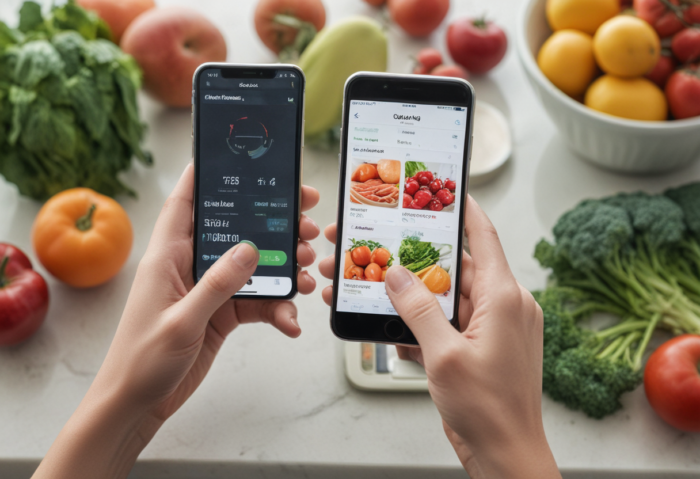
The short answer: no. The long answer: the mechanism behind weight loss is always the same — a calorie deficit. But there are dozens of ways to achieve it, and counting calories is just one of them. As a personal trainer, I firmly believe that the best method is the one a client can stick with over the long term.
Mechanism vs. method: why the distinction matters
The mechanism behind weight loss is a calorie deficit — you burn more energy than you consume. Methods are the ways you achieve that deficit: a low-carbohydrate diet, a low-fat diet, keto, intermittent fasting, paleo, veganism and many others.
The mechanism always works. Methods only work when they set that mechanism in motion. No diet produces weight loss without a deficit. If someone loses more weight on a low-fat diet, that doesn’t make it the “right” diet — it simply means that this particular method helped them create a larger deficit.
Typical claims you’ll see on social media:
- “Intermittent fasting is nonsense! Studies show you can get the same results by counting calories.”
- “Veganism isn’t a magic bullet — you lose weight because pizza, burgers and ice cream are off the menu.”
- “Keto doesn’t work because you cut out carbohydrates, but because you eat less.”
All three have some truth to them. But the other half of the story is always left out: these methods also create a deficit, and they do it without you noticing. With intermittent fasting, your eating window is shorter, so you eat less. Veganism removes a large number of foods from your diet. Keto cuts out an entire macronutrient group.
Why counting calories doesn’t suit everyone
There’s a widespread belief that counting calories is the most “flexible” and scientifically sound approach to dieting. I don’t entirely agree.
First: people generally aren’t very good at counting calories. “I’m in a deficit, but I’m not losing weight” is such a common statement that it should be a wake-up call. In reality, people aren’t weighing their food, they’re estimating portions by eye or entering the wrong numbers into MyFitnessPal. The deficit exists in their heads, not on their plates.
Second: for some people, flexibility is precisely the weakness, rather than a strength. If you have a sweet tooth, you might replace your 500 kcal lunch with 500 kcal of candy — the numbers balance on paper, but repeatedly “bargaining” over what you eat takes a psychological toll. Doing it once is fine; as a daily pattern, it starts to erode your mental health.
Third: some people do better with strict rules than flexible ones. “I don’t eat sweets” is often easier to stick to than “I eat up to 200 kcal of sweets.” For these people, counting calories isn’t the best approach — a firm rule works better.
A specific diet or counting calories — how do you choose?
My favorite example is this: “Carbohydrates don’t make you fat! As long as you don’t exceed your daily calorie allowance, you can’t gain weight.” That’s true. But the real question is whether you can eat carbohydrates in moderation. If you love carbohydrates so much that you always overdo your portions, it’s easier to cut them out of your diet than to count calories every day.
Not everyone enjoys counting calories, and many people simply don’t know how. If you lose weight by cutting out carbohydrates, by all means, go ahead. That’s successful weight loss without counting calories.
If a client comes to me and enjoys intermittent fasting, I won’t try to steer them toward the MyFitnessPal app. Their method works for them. If they aren’t losing weight, we work together to find a way to create a larger deficit within their 8-hour eating window. But if I feel that fasting is wearing them down, I’ll suggest alternatives — including counting calories.
Frequently asked questions about counting calories
Is counting calories the most accurate method?
In theory, yes; in practice, rarely. Food labels have a tolerance of ±20%, restaurant meals require estimates, and judging portions by eye regularly leads to errors. Accuracy on paper doesn’t mean accuracy in your stomach.
How long should you count calories?
For some people, a couple of weeks is enough to get a feel for portion sizes — after that, you can put the app aside. Others use it for months or years. The goal is to build habits, not to keep counting forever.
What if I hate counting calories?
Then don’t. Choose a method that doesn’t wear you down mentally: an eating window, restricting food categories, the plate method, or set meals without snacking. Any method that creates a lasting deficit without taking the joy out of life is right for you.
There’s no need to dismiss any diet, and no point in putting calorie counting on a pedestal. Let’s focus instead on what a client can actually sustain.
Author: susie
Come work out! ArtGym




