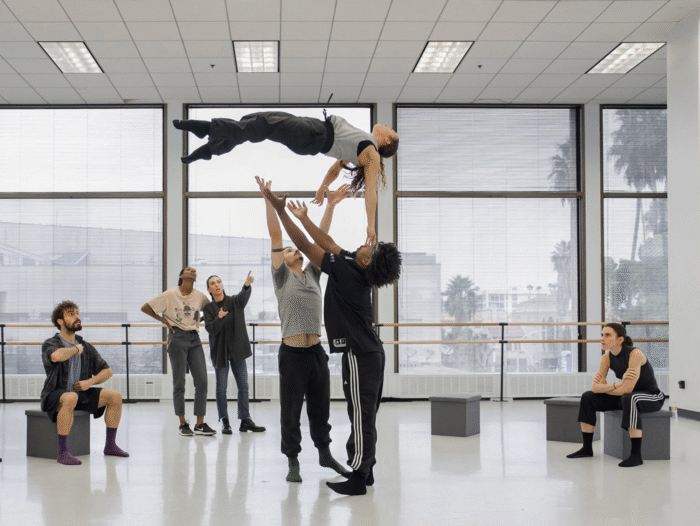
Gym training for performing artists
The performing arts—whether contemporary dance, theater, performance art or acrobatics—demand physical ability, endurance, coordination and a physical approach. This is where gym training comes in: a performing artist’s work involves more than “expressive movement”; it often requires intense physical exertion. Think long seasons, extensive repertoires, repeated impacts on stage and in rehearsals, varied positions, prolonged stillness or vigorous movement.
Why gym training matters for performing artists
Gym training—resistance, strength and stabilization exercises—supports a performing artist’s body in several important ways:

1. Preventing injuries and building physical capacity
Strength training helps strengthen muscles, tendons and ligaments and reduce repetitive strain injuries. For example, research involving musicians and performers shows that regular muscle-strengthening exercise may reduce the incidence of pain and overuse injuries. Functional Musician
As a performing artist, you may encounter situations where your posture changes, you make sudden movements or you hold positions while your muscles are fatigued—stronger muscles and better body awareness are assets here.
2. Performance quality—fluidity, control and expression
Strength and stability let you move more smoothly, with more control and more aesthetic polish. For example, when a dancer can maintain optimal posture even after several movements on stage, the movement retains its quality and looks “light” and “easy” to the audience.
Strong physical conditioning also builds greater confidence on stage—which, in turn, can influence both your physical performance and your artistic expression.
3. Endurance and recovery
Performing artists do not train only on stage—rehearsal periods often involve holding positions for long periods and repeatedly returning to them, sequences of steps or jumps, and potentially more demanding physical sections, such as acrobatics, additional movement or climbs onto the stage. Gym training builds your endurance reserves, helping you experience fatigue later in performances.
A stronger body also supports faster recovery—whether during a short break between rehearsals or throughout an intensive performance season.
4. Versatility and caring for your body
As a performing artist, you can benefit from complementing your “main activity”—dance, theater or performance art—with bodyweight or free-weight exercises that develop muscle control, incorporate corrective strength work, and improve body awareness and movement patterns. For example, the deep stabilizing muscles, core muscles, and back and hip muscles are often underused in stage work.
You also need to do mobility exercises and train balance, mobility and coordination—the gym does not have to mean “a group workout on machines”, but rather purposeful body development that merges with artistic expression.
Examples and connections in Estonia

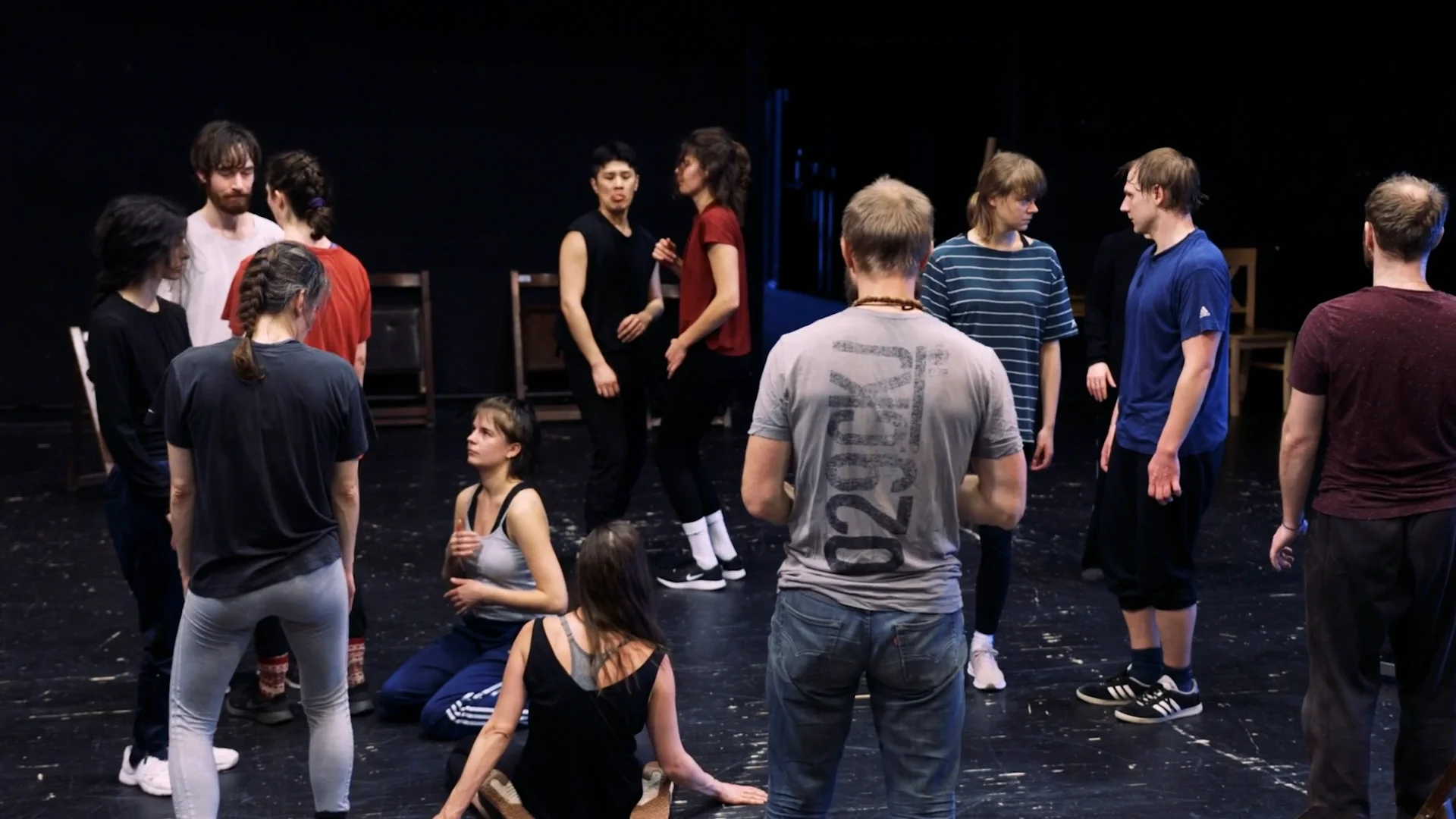
Estonia offers some interesting examples of performing artists recognizing the importance of physical training and putting it into practice:
- Netti Nüganen, an Estonian choreographer / performer, has spoken about the important role of the body and weightlifting in their creative work, and how performing arts and recreational athletics are intertwined for them. teater.ee
- The Contemporary Physical Performance Making (CPPM) program eamt.ee at the Estonian Academy of Music and Theatre (EAMT) includes physical challenges in which students push themselves into a state of “overexertion”—an indication that physical fitness is part of preparing for performance.
- The Tallinn-based Experimental Movement Centre offers training in circus skills and movement for performance art, highlighting the importance of the physical component in the performing arts. estyes.ee
These examples show that Estonia already recognizes the body as more than a “tool”: it is an active part of the creative process, and gym training has an important role to play.
Getting started—training tips for performing artists
- Assess your physical condition
– Where are your weaknesses? For example, a weak core, lower back fatigue, shoulder cramps or limited hip muscle strength?
– Have you done strength training before? What was the experience like? You can start gently. - Set goals
– For example: “I can maintain a reh>avaku posture after the rehearsal period,” “I will improve my landings from jumps,” “I will reduce shoulder girdle fatigue after standing on stage.”
– Make your goal measurable—for example, through rep count, weight or improvements in body position—and relevant to the specific demands of your performance. - Create a strength and stabilization program
– Warm-up: dynamic movements, mobility work, and core and hip activation.
– Main exercises: squats, deadlifts and pulling variations, presses (with plates or dumbbells), rows.
– Stabilization exercises: plank variations, side planks, single-leg holds and moving plank variations.
– Correcting movement patterns: single-leg jumps, changes of direction and plyometric exercises incorporating the jumps or moments of forceful exertion involved in performance.
– Cooldown: stretching, light aerobic movement and proprioceptive and integrative work, such as body awareness and balance exercises.
– When training at the gym, remember to include “performer-specific” exercises, such as landings with weights and more complex movement on stage. - Frequency and periodization
– Aim for strength training 2-3 times a week, depending on the performance season and your rehearsal training load.
– During the performance season, you can replace one strength workout with a shorter “maintenance” workout to avoid fatigue and disruption to recovery.
– Allow for recovery: get enough sleep, include restorative movement and listen to your body’s signals. - Integrate training into your performance process
– Consider which movements on stage challenge you most. How many times do you go on stage? What are the physical demands of rehearsals and the production?
– Incorporate gym work into a program that supports those demands—for example, how much jumping, landing, moving on crutches or handling heavier props you need to do on stage. - Avoid overload
– As a performing artist, you do not need to be a bodybuilder—the goal is functional capacity, quality of movement and confidence, rather than substantial muscle mass.
– Account for the other physical demands you already face, including rehearsal periods, stage work, walking and hiking, costumes and so on. Watch for signals such as fatigue, muscle pressure and the time you need to recover.
Summary
Gym training can be a strategic ally for performing artists—it helps prevent injuries, enables better performance through body control, builds endurance and supports your body as a working tool. Estonia already offers examples of performance work incorporating physical work—whether lifting capacity, acrobatics or simply the stage demands of keeping your body “healthy” and strong.