
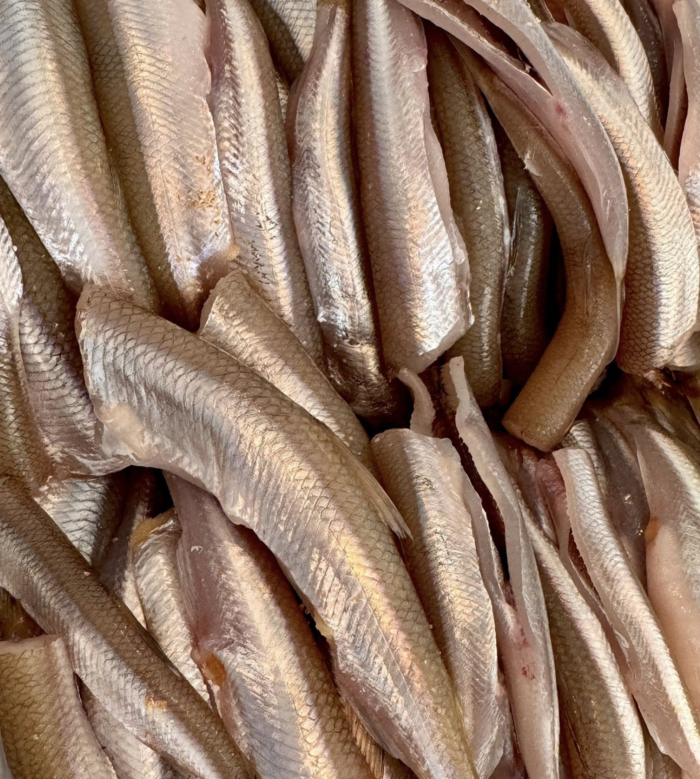
Fish often lands on Estonian tables just when you want something light but nourishing. Here you’ll get a clear overview of why fish is a good source of protein, how to choose fatty or lean fish, and what to watch for when storing it.
Why is fish a good choice for your body?
Good fish doesn’t need many tricks. A little salt, a pan or the oven, with potatoes, rice or a fresh salad on the side. And on your plate is a meal that suits a training day just as well as a quieter evening.
Fish’s greatest strength is its protein. Many fish are about one fifth protein, and it is complete protein. That means your body gets essential amino acids from it, which are needed for muscles, tissues and everyday recovery.
It isn’t heavy like a big steak, but it gives your body the building material it needs.
Fish protein is also usually easy to digest. The connective tissue in fish is softer than in meat, so it doesn’t sit as heavily in your stomach. That’s exactly why fish also works well when you want something nourishing in the evening, but not too heavy.
Fish fat: when to choose salmon and when cod?
Not all fish are the same. Some are lean, some are fatty. That doesn’t mean one is good and the other bad. Your choice rather depends on what you need at the moment.
Leaner fish, such as cod, perch and pikeperch, work well when you want to keep a meal lighter. They provide protein but not very much fat. This kind of choice suits lunch well, when a long workday is still ahead of you.
Fattier fish, such as salmon, herring, trout and Baltic herring, provide more energy. At the same time, they also deliver valuable fish fat. Fatty fish contains omega-3 fatty acids, especially EPA and DHA, which are associated with supporting heart and blood vessel health.
A simple truth: fatty fish is nothing to be afraid of. What matters is the amount and your overall menu. If the rest of your diet is balanced, fattier fish can be a very sensible choice, especially during Estonia’s long autumn and winter.
How to make better use of fish’s nutritional value?
In addition to protein and fatty acids, fish provides vitamins and minerals. Fattier fish contain fat-soluble vitamins, including vitamins A and D. Vitamin D is especially important in Estonia, because there is little sunshine from autumn to spring.
Fish can also supply phosphorus, magnesium, selenium and iodine. These don’t turn a single food into a miracle cure, but they help cover everyday needs. That’s exactly how fish is worth looking at: not as medicine, but as a strong, ordinary food.
How do you work it into your menu? One simple way is to keep a couple of fish meals a week in a fixed rhythm. For example, baked fish one time, Baltic herring or herring the second, fish soup the third. That way you don’t have to think from scratch each time about what to cook.
If you train, serve fish with a carbohydrate and vegetables. Potatoes, buckwheat, rice or wholegrain bread work well. After the gym, your meal doesn’t have to be complicated. What matters is that it’s actually edible, not just ideal on paper.
Storing fish and the risks worth knowing about
Fish spoils quickly. That’s the most practical thing to remember. If fish sits in a warm car, on the kitchen counter or in open packaging for too long, its freshness disappears fast and the risk of spoilage grows.
Keep fish cold and, if possible, cook it the same day or the next. When buying fresh fish, check the smell, appearance and texture. Fresh fish smells clean and of the sea, not sharp or sour.
Larger and older fish can accumulate more contaminants, such as mercury. That’s why it makes sense to vary your menu. Smaller fish, like Baltic herring, are a good and affordable choice in Estonian cooking. Still, it’s worth storing them properly and heating them thoroughly.
When eating raw or lightly cooked fish, you have to take the risk of parasites into account. If you aren’t sure about the fish’s origin or handling, choose thorough cooking. It’s a simple precaution, not scaremongering.
Honestly, the best rule for fish is a simple one: buy it fresh, keep it cold, cook it calmly and eat a variety. That way fish becomes a strong ally on your table, not a complicated project.
FAQ: fish and healthy eating
How often should you eat fish?
A good goal is to eat fish a couple of times a week. Alternate leaner and fattier fish so your menu doesn’t become one-sided.
Is frozen fish a bad choice?
No. Properly frozen fish can be a very good choice, especially when fresh fish isn’t available. Just make sure the packaging is intact and the fish hasn’t been thawed repeatedly.
Is fatty fish suitable for people trying to lose weight?
Yes, as long as the amount fits your daily energy needs. Fatty fish is rich in nutrients, but the portion should be sensible.
Story supported by: Kalaarsenal
Illustrative photo: Ahti Läheb
Come and train! ArtGym




