High blood pressure: what your readings mean
High blood pressure is not just a concern in later life. In Estonia, as many as ~350,000 people—almost one in four—have elevated blood pressure, and many are unaware of it.
Blood pressure can rise silently for years. That is why it is worth understanding what the two numbers in a reading mean, when to speak to a doctor and how everyday habits help your heart.
High blood pressure and why it matters
High blood pressure, or hypertension, used to be considered mainly a condition of older age. More recently, however, it has also been seen in younger people. There is not always a single, straightforward cause. Heredity, the condition of your blood vessels, body weight, smoking, diabetes and sometimes kidney disease can all play a part.
So what actually happens? Blood vessels under high pressure constantly have to work harder. Their muscular walls thicken, and the space inside them narrows. This creates a vicious cycle: high blood pressure makes blood vessels stiffer, and stiffer vessels keep blood pressure even higher.
The same strain affects the heart. The heart’s left ventricle has to pump blood into the narrowed blood vessels. If this continues for a long time, the left ventricle can thicken. This is a sign of overload, not improved fitness.
High blood pressure: what a reading tells you
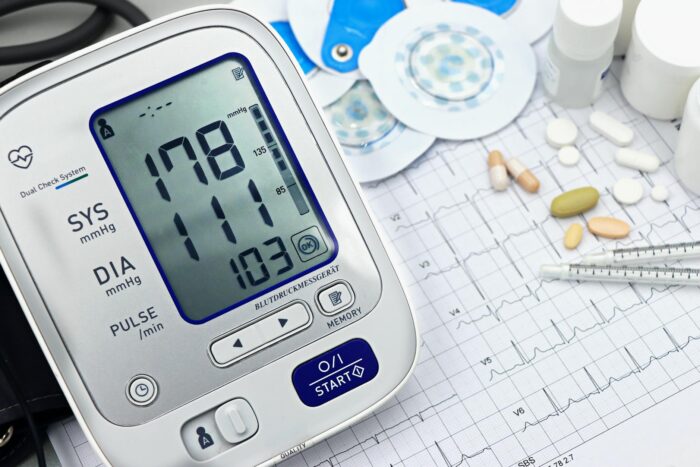
A blood pressure measurement always gives you two numbers. The higher number is your systolic blood pressure, also called the top number. The lower number is your diastolic blood pressure, or the bottom number. Arterial blood pressure reflects the force that blood exerts on the walls of your blood vessels.
Hypertension is diagnosed when arterial blood pressure measured at the upper arm is above 90 mm/Hg when the heart relaxes or above 140 mm/Hg when the heart contracts. You should take the measurement while sitting or lying down after a five-minute rest. A reading taken in a rush can be misleading.
A rise in diastolic blood pressure is considered particularly dangerous because it means the circulatory system is constantly under pressure. The first signs can be quite vague: a rushing sound in the ears and noticeable heart palpitations at rest. These are not an immediate reason to panic, but if the symptoms recur, you need to have your blood pressure checked.
| Systolic (mmHg) | Diastolic (mmHg) | |
| Optimal blood pressure | < 120 | < 80 |
| Normal blood pressure | < 130 | < 85 |
| High-normal blood pressure | 130 – 139 | 85 – 89 |
| Grade I: mild hypertension | 140 – 159 | 90 – 99 |
| Subgroup: borderline hypertension | 140 -149 | 90 – 94 |
| Grade II: moderate hypertension | 160 – 179 | 100 – 109 |
| Grade III: severe hypertension | > 180 | >110 |
| Isolated systolic hypertension | > 140 | < 90 |
| Subgroup: borderline isolated systolic hypertension | 140 – 149 | < 90 |
High blood pressure and calcification of blood vessels
Calcification of blood vessels, or atherosclerosis, means that the space inside a blood vessel narrows as substances build up in its wall. The common name comes from the fact that calcium salts are a major component of these deposits.
One cause of atherosclerosis is excessively high blood cholesterol. High blood pressure, genetic predisposition, age, lifestyle and insufficient physical activity also increase the risk. Smoking makes matters worse still.
When the space inside a blood vessel becomes too narrow, blood has to exert greater pressure to get through. A plaque can tear away from the wall, leaving an ulcer where blood begins to clot. This can lead to a thrombus—a blood clot that blocks the vessel. If a clot forms in a vital organ, it can cause sudden death.
Cholesterol, food and everyday choices
There are two types of cholesterol in the blood. HDL cholesterol, or high-density lipoprotein cholesterol, is relatively beneficial to the body. LDL cholesterol, or low-density lipoprotein cholesterol, can be harmful when there is too much of it.
The risk of cardiovascular disease and atherosclerosis increases when levels of beneficial cholesterol are too low or levels of harmful cholesterol are too high. Total cholesterol is usually measured. This can be used to assess whether the risk is elevated.
| Ideal level | below 5.2 mmol/l* |
| Borderline level | 5.2…6.5 mmol/l |
| Elevated level | 6.5…7.8 mmol/l |
| Very high level | above 7.8 mmol/l |
Cholesterol is not inherently an enemy. It is essential to the human body, for example for vitamin D synthesis in the skin and as a component of cell membranes. Cholesterol-rich foods must not be restricted without reason in healthy children with normal lifestyle habits. If your blood cholesterol is too high, however, you need to review your food choices.
| Egg yolk | 1500 mg% | Cheese | 25…100 mg% |
| Kidneys | 400 mg% | Lard | 94 mg% |
| Liver | 300 mg% | Chicken | 90 mg% |
| Butter | 220 mg% | Pork | 72 mg% |
| Butter-margarine blends | 40…160 mg% | Milk | 1…15 mg% |
| Whipping cream | 110 mg% | Vegetable oil | 0 mg% |
The simple truth is that your heart likes consistency. Maintaining a healthy body weight, being physically active regularly, quitting smoking and avoiding excessive alcohol consumption help reduce your risk of hypertension. These habits do not replace medical advice, but they give your body a better starting point.
FAQ
Is normal blood pressure different for women and men?
The general principles for measuring blood pressure are the same, but risk changes over your lifetime. The original text emphasizes that men have a greater risk of developing hypertension than women, but the risk becomes more or less equal when women reach menopause.
When should you measure your blood pressure?
Measure your blood pressure when you are relaxed, sitting or lying down, after resting for five minutes. One isolated reading does not tell the whole story, but repeated high readings need attention.
Does high cholesterol always mean you have a disease?
Not always, but high total cholesterol may indicate a greater risk of cardiovascular disease. It is especially important to look at the whole picture: blood pressure, physical activity, smoking, body weight and genetic predisposition.
Author: Marek Morozov
PS Come work out! ArtGym