
Microplastics in the body: 5 steps to reduce them
Microplastics have reached our blood, brains and placentas — and no one can truly get rid of them completely. But you can significantly reduce your exposure and keep the body’s own elimination pathways working. Below are five steps that actually make a difference, no magic detoxes required.
Why microplastics are a serious problem
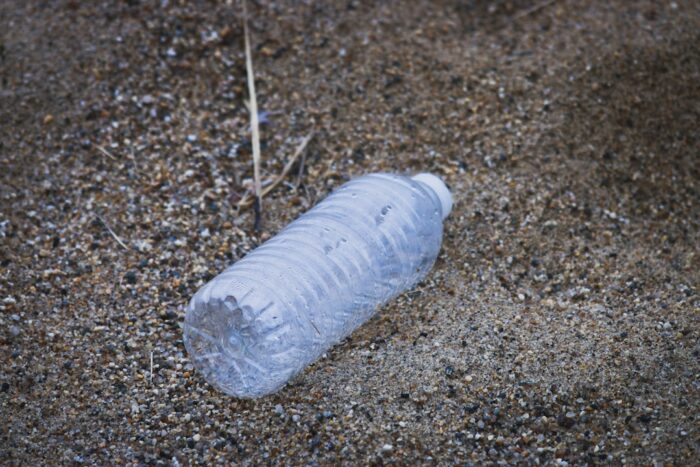
Hot soup comes in a plastic container. Your morning coffee comes in a cup with a plastic lid. Cling film, microwave containers, synthetic clothing, drinking water in a plastic bottle. Plastic is everywhere, and some of it inevitably ends up in our bodies.
Micro- and nanoplastics have been found in human feces, blood, placentas, arteries and even brain tissue. That tells us two things: some of the particles leave the body, but some stay stuck. The links to health risks are serious — chronic inflammation, oxidative stress, a higher risk of cancer and heart attack, reduced fertility, metabolic and gut disorders, and a possible effect on the immune and nervous systems.
And the honest truth: there is not a single human study showing that any protocol fully removes particles lodged in tissues. The goal isn’t a magic cleanse but four things at once: reduce exposure, lower the amount circulating in the blood, support the body’s own elimination and minimize the damage that the particles already present are doing.
How microplastics get into the body
The biggest entry point is the mouth — a hot drink in a plastic cup, a plastic container heated in the microwave, drinking water from a plastic bottle, food that has sat in cling film. Add household dust and the synthetic clothing fibers that we breathe in. The more processed the food and the more packaging stages it goes through, the more particles end up on your plate. Fast food is a true champion here: it goes through several rounds of plastic packaging before it reaches your mouth.
Microplastics in the body: five steps to reduce them
1. Reduce your exposure
This is the foundation. Without it, everything else is like bailing out a boat with a bucket while there’s a hole in the bottom.
- Drink filtered water from a glass or stainless steel container.
- Ditch plastic bottles and cups with plastic lids for hot drinks (many seemingly paper cups have a plastic layer inside).
- Don’t heat food in plastic containers in the microwave — glass or ceramic only.
- Throw out worn-out Teflon pans.
- Choose fresh, real food and avoid heavily processed and packaged products.
- Get a vacuum cleaner with a HEPA filter and, if needed, a good air purifier.
- Choose natural fibers in your clothing: cotton, wool, linen.
2. Donate blood
Sounds strange? It’s still one of the strongest tools for reducing pollutants circulating in the blood. PFAS compounds, which often travel together with microplastics, stay in the blood for a long time — regular blood donation helps lower their levels steadily. In addition, microplastics bind to proteins and lipoproteins, and when some of the “used fluid” leaves the body, it produces a cleaner version to replace it. It’s not an easy choice for anyone afraid of needles, but the effect is clear.
3. Support elimination through the gut
Most of the larger particles enter through the digestive tract and leave the same way. Dietary fiber is the hero here — the goal is 30–50 g a day. It adds bulk to stool, shortens transit time through the digestive tract and binds some toxins. Eat as many different plants as you can manage, and eat fermented foods regularly — this keeps the gut microbiome balanced. The health of the gut wall itself is supported by glutamine, zinc, collagen and carnosine. Frillice helps you keep an eye on your daily dietary fiber intake.
4. Sweat regularly
Some plastic-related chemicals leave the body better through sweat than through urine. A practical recipe: training that really makes you sweat, sauna 2–4 times a week and enough fluids so that your kidneys can do their job. A simple combination, and in the Estonian context, a downright natural one.
5. Reduce inflammation and oxidative stress
Even if some of the particles keep circulating in your body, you can reduce the damage they cause. Eat colorful plants and polyphenol-rich foods, make sure you get enough omega-3 fats — a suitable krill oil is one option — and take antioxidants (vitamin C, vitamin E, selenium).
You can’t overstate the classics — stable blood sugar, strength training, proper sleep, not smoking and little alcohol. All of this keeps inflammation low and your blood vessels in good shape. If you put even 2–3 steps from this list into real practice, you’ve already done more than 99% of the people around you.
FAQ about microplastics
Does a sauna “cleanse” you of microplastics?
A sauna doesn’t lift particles lodged in organs out, but it helps some plastic-related chemicals leave through sweat. As one tool — yes; as a miracle cure on its own — no.
How quickly will I see results?
Reducing exposure works right away — the body simply takes in less. The drop in compounds circulating in the blood is slower, from weeks to months depending on your lifestyle.
Is just one step enough?
No. But applying 2–3 steps consistently already puts you ahead of most people. The easiest way to start: swap your plastic bottle for a glass one and stop heating food in plastic containers.
Come work out! ArtGym




