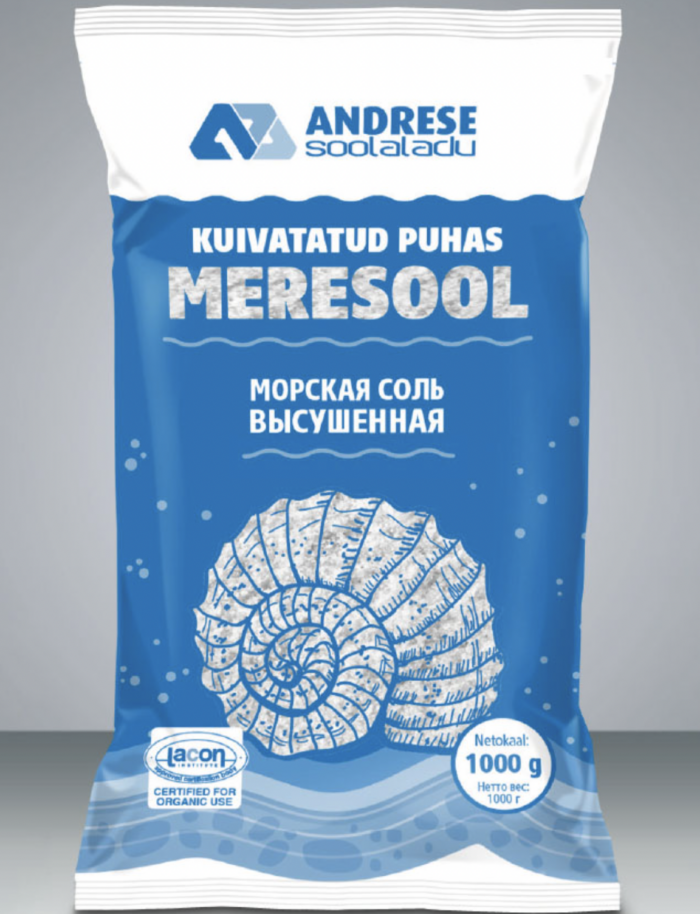
Salt in food: benefits, harms and daily amount
Salt is the second most widely used food additive after sugar. We are used to adding salt to our food, and we often don’t stop to think about whether and how it affects our health.
Salt, or table salt, is 40% sodium and 60% chloride. What is harmful to health is primarily too much sodium in the diet.
Table salt has been known and used for hundreds of years, and attitudes toward it have changed greatly. The Bible speaks of the “salt of the earth” as people who are especially valued. Wars have been fought over salt, and it has also been a symbol of wealth and a means of payment. Today, overdoing salt is linked to many diseases.
Is table salt necessary?
The sodium and chloride in table salt are necessary for the human body. Together with potassium, sodium helps regulate the body’s water and acid-base balance, and it plays a role in the functioning of the nervous system. Sodium deficiency is very rare, however, since ordinary foods contain enough sodium.
PHYSIOLOGICAL NEED FOR TABLE SALT: 2 – 3 g/day
ESTIMATED TABLE SALT INTAKE: 11 – 13 g/day
RECOMMENDED AMOUNT OF TABLE SALT: under 5 g/day, even less for people with high blood pressure.
The harmful effects of sodium
Despite its colorful history, humans have eaten a lot of salt for only a relatively short part of our evolution. Our vegetarian ancestors got just 200 – 600 mg of salt from food.
In table salt, it is the sodium that is harmful, so when people talk about the harmful effects of salt, they mainly mean the side effects of sodium.
Salt and high blood pressure
Excess table salt is excreted by the kidneys. This puts a strain on the kidneys, and other substances that are beneficial to the body are excreted along with the salt.
In many people, the kidneys are unable to excrete excess salt except at elevated blood pressure. The higher the blood pressure, the faster the salt is excreted. If we take in a lot of salt every day, our blood pressure has to stay high all the time.
Excess body weight, alcohol, diabetes and stress impair the kidneys’ ability to excrete salt. These factors therefore amplify the blood pressure–raising effect of salt.
A high salt content in food also weakens the effect of blood pressure–lowering drugs and heart medications and increases their side effects.
Salt promotes osteoporosis
Research confirms that as sodium intake rises, so does the rate at which calcium is excreted from the body. The more salt a food contains, the greater the calcium losses.
Although men prefer saltier food than women do, women are at greater risk of osteoporosis after menopause, because their calcium absorption drops substantially.
Eating salty food makes you thirsty, which reflects the body’s effort to lower the salt concentration in body fluids and organs. The result can be swelling.
If swelling develops around the heart, the heart’s ability to pump blood decreases, and the body’s supply of oxygen and nutrients worsens.
Swollen legs can cause pain when walking, circulation in the legs worsens, and there is a risk of blood clots.
It is well known that pregnant women get salt cravings. Animal studies have confirmed that the changes in the hormonal system during pregnancy cause these cravings.
Too much sodium in the body’s fluids causes water and potassium to leave the body’s cells. If you sprinkle salt on slices of fresh cucumber, the slices turn soft and wilt, because the salt draws water out of the cells.
The same can happen in the human body when there is too much salt. As a result, a person feels weak and is unable to work properly.
Too much table salt in the diet promotes the following diseases
- Hypertension
- Stroke
- Heart attack
- Swelling
- Osteoporosis
- Worsening of asthma
- Kidney failure
- Stomach cancer
- Shorter life expectancy
- A weaker effect of blood pressure–lowering drugs and heart medications, and stronger side effects from them
Author: Ero Viik
Come and train! ArtGym