New Year’s goals in training and nutrition
New Year’s goals always sound hopeful in January – a new physique, more energy, a better rhythm. By mid-February most of them are already forgotten. Let’s look at why that happens and how to make plans that actually last.
Why New Year’s goals so often fall through
The classic story: on 1 January you buy a gym membership, promise to train five times a week and give up sugar. Three weeks later you’re tired one evening, skip a workout – and then another. The chain is broken.
The reason isn’t laziness. The reason is that the goal was too big, too abrupt and too dependent on willpower. Willpower is a finite resource – it runs out exactly when the day has been long and the fridge is empty.
What works better? Small decisions that turn into habits. A habit doesn’t need willpower – it just happens.
How to set New Year’s goals that last
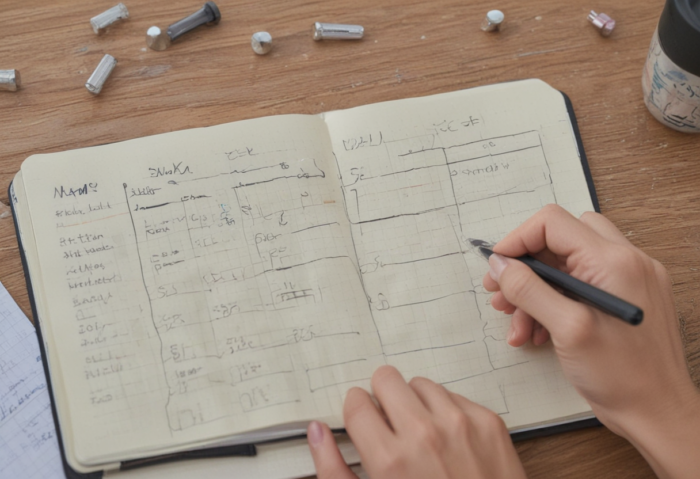
A good goal is specific, measurable and small enough to be doable even on a bad day. “I want to get in better shape” isn’t a goal – it’s a wish. “I go to the gym for 45 minutes on Wednesdays and Saturdays” is a goal.
Start with the minimum
If you haven’t trained for a whole year, don’t promise five times a week. Promise two. Training twice a week for three months in a row gives you better results than training five times a week for three weeks and then zero.
Tie training to your existing routine
Go to the gym straight after work, not “sometime in the evening”. Do your morning workout right after brushing your teeth, not “when I get around to it”. If training depends on a free window in the day, it gets skipped. If it’s tied to something you do anyway, it sticks.
Think about food separately
Don’t start a diet and training in the same week. Pick one. It’s usually easier to start with training – it makes you feel better right away and later motivates you to take a fresh look at your food too.
New Year’s goals: the first six weeks
The first six weeks decide whether the plan survives or ends up in the bin on Sunday evening along with the old newspaper. A few things that help you get through this period:
- Put your workouts in your calendar like meetings. Not “sometime this week” – a specific time, a specific day.
- Keep your gym bag packed. One barrier less is one excuse less.
- Don’t track your weight every day. Once a week in the morning, under the same conditions – anything more is just noise.
- Sleep seven hours. Without sleep, every diet and training plan runs out of steam within two weeks.
- Let one day a week slip by without stress. A plan that can’t survive a single missed session isn’t a plan.
If you’re looking for a place to start calmly, without the noise of a crowded gym, the ArtGym boutique gym offers private space and a personalized approach.
FAQ: New Year’s goals
How long does it take for training to become a habit?
On average about two months, but it varies a lot. A simple activity, such as a glass of water on waking up, sets in within a couple of weeks. A more demanding undertaking, such as two strength training sessions a week, takes three to four months. What matters is consistency, not speed.
What if I fail in the very first week?
Pick up from your next workout, not from next Monday. “Starting over on Monday” is the most expensive thought pattern in the fitness world – it wipes out whole weeks because of a single missed session.
Do I need to start taking supplements right away?
No. In the first months, regular food, water and sleep matter more than any powder. There will be time for supplements once your training is in place and you know what you’re actually missing.